The ghost of the Himalaya.
In its own landscape. On its own terms.

phone.avif)
March sits at the heart of the tracking season — the mating period still under way, the longest days of the winter, and the densest spotter network of the year.
Few places on earth demand this much patience — and reward it so completely.
The snow leopard is one of the most elusive large cats on earth. The tracking season in Ladakh runs from November right through April, and March sits at its heart — the mating period still under way, individuals that are usually solitary covering greater distances across the high valleys of Ladakh.
The days are long. The light is low and warm. The Mangyu and Rumbak valleys are quiet. This is the window.
The expedition is built around two bases: a family-run lodge in the Mangyu valley and House of Rumbak, on the edge of Hemis National Park — both sitting directly in prime snow leopard habitat. More tracking teams work these valleys in March than at any other point in the season. When a sighting is confirmed, we move. The itinerary is secondary.
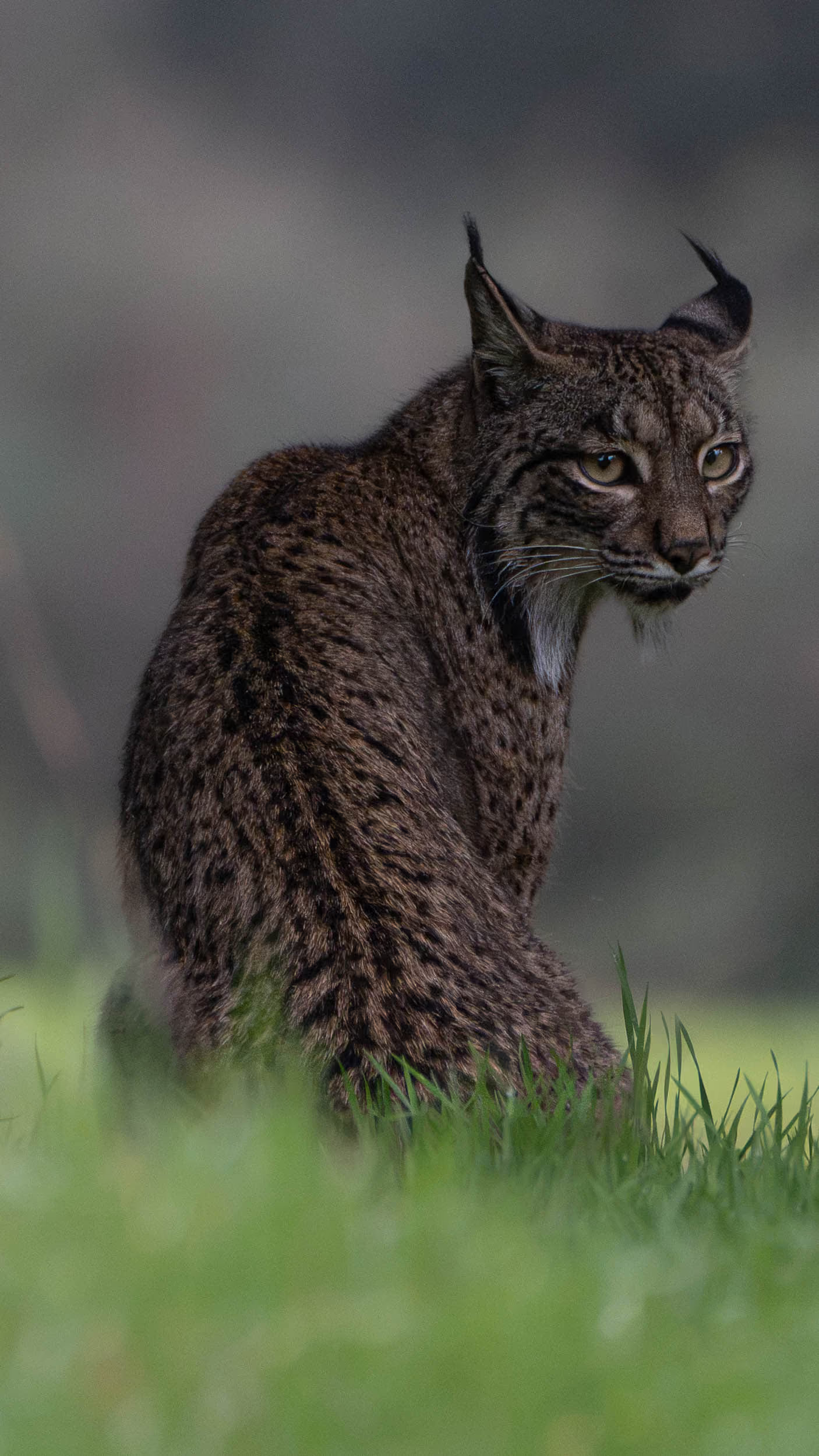
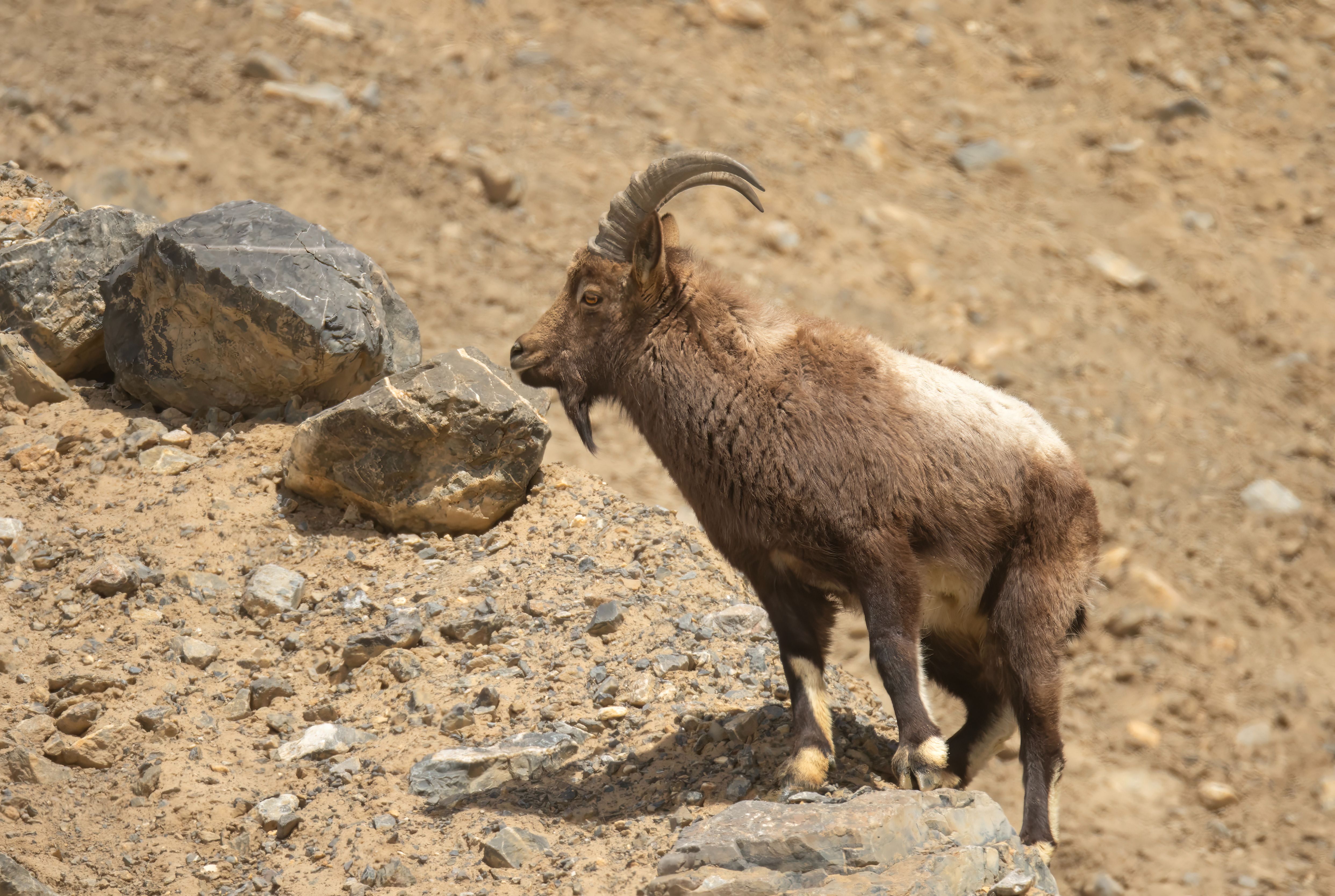
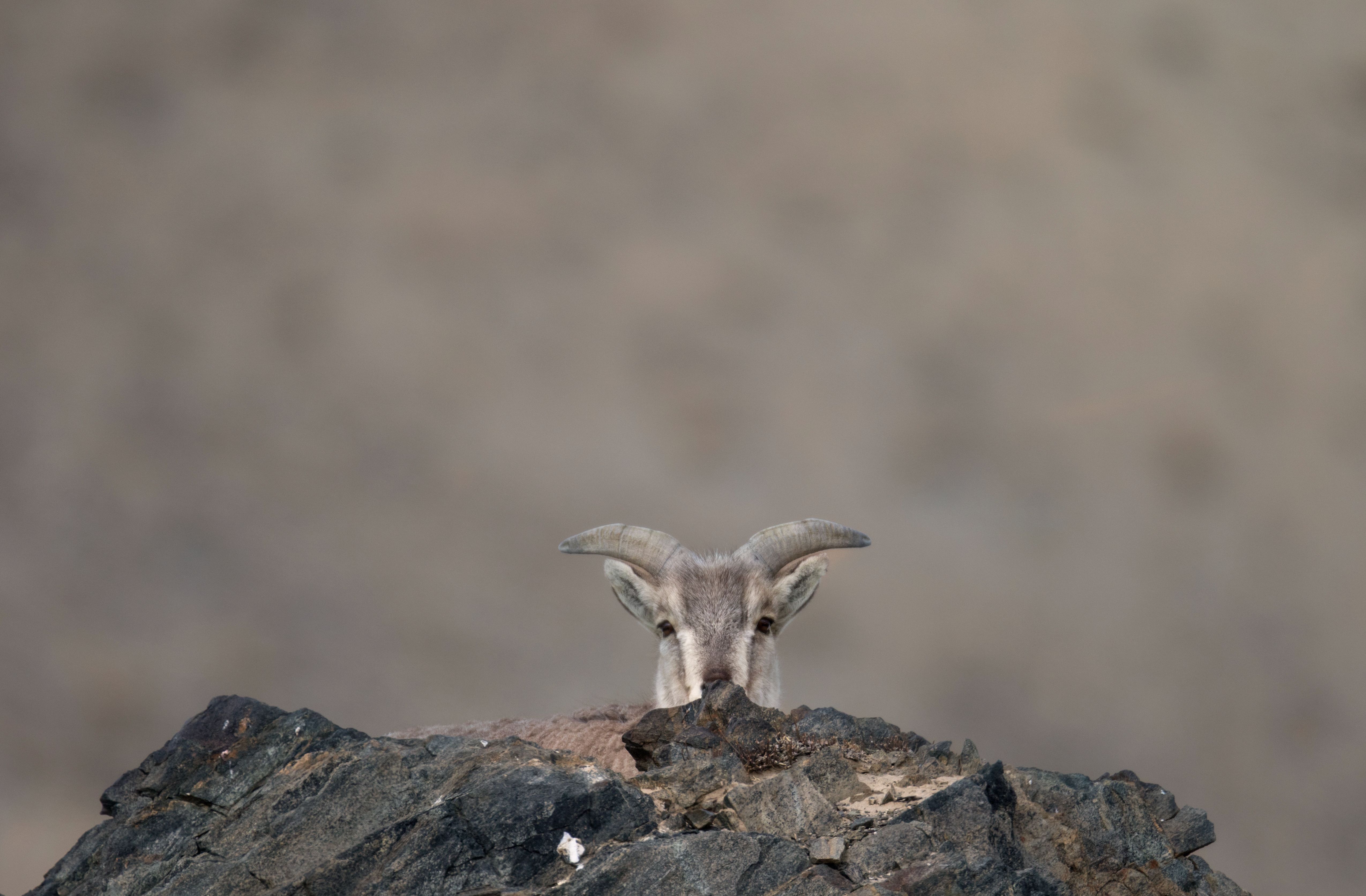
The snow leopard is the focus — but the Ladakhi winter landscape supports a remarkable range of wildlife. Blue sheep, the snow leopard's primary prey, are common throughout the valleys. The Himalayan wolf, red fox and Eurasian lynx are all present. Golden eagle and lammergeier patrol the ridgelines overhead. Even without a leopard sighting, every day in the field offers something worth photographing.
“The families in these valleys have lived alongside snow leopards for centuries. Their knowledge of the landscape is part of what makes this expedition possible.”
The Solara Conservation Foundation (in formation) is an independent initiative dedicated to wildlife protection and community-based conservation. In Ladakh, this means supporting the families and monitoring programmes that make snow leopard expeditions possible.







Two valleys. One landscape. One predator.


Every decision is made for the encounter.
01
The spotter network
Local spotters cover multiple valleys simultaneously throughout the expedition. When a snow leopard is confirmed anywhere in the system, we move immediately. The itinerary is always secondary to the animal. This network — built on years of relationships with village communities — is the single most important factor in encounter rates.
02
Spotting scopes & photography
Snow leopards are most commonly seen at distance — on rocky ridges or traversing open ground between valleys. High-quality spotting scopes on tripods are standard on every tracking session. Many travellers attach their smartphones directly to the eyepiece. When conditions allow, closer approaches are possible. The animal always sets the terms.
03
Reading the landscape
Blue sheep — the snow leopard’s primary prey — are the key to locating predators. Learning to read their behaviour, the lie of the land, and the direction of wind is a skill that develops over the tracking days. By day four or five, most travellers are scanning the ridgelines with a naturalist’s eye. This is what makes the encounter feel earned.
04
Photography in the field
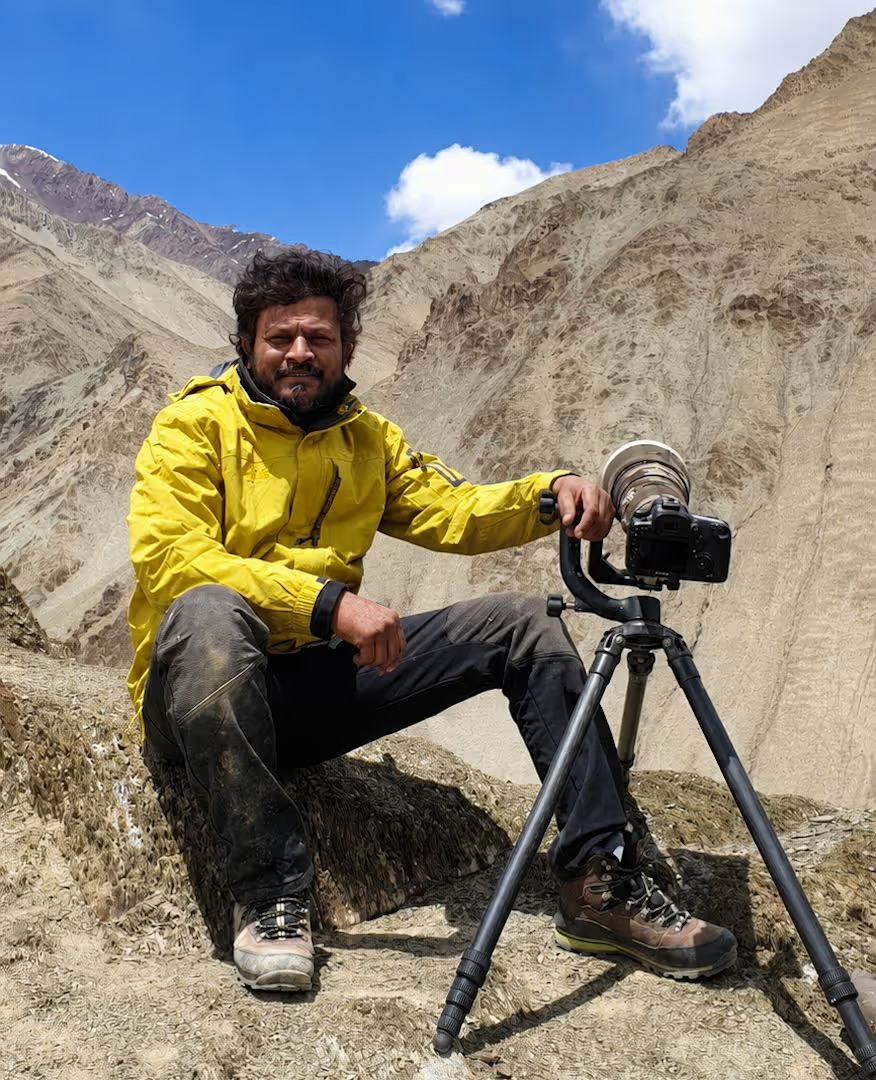
Sandeep brings more than thirty years of wildlife photography experience to every day in the field. His guidance is practical and immediate — reading light, anticipating movement, understanding the animal’s behaviour before the moment arrives. The guidance runs through the day, not in a classroom at the end of it.
Day by day.
The pace is always led by wildlife, light, and landscape — not by a fixed schedule.





Everything you need. Nothing you don’t.
Included
- All accommodation (10 nights)
- All meals — from Day 2 breakfast through Day 11 departure
- Water and non-alcoholic beverages
- Supplemental oxygen available if needed
- Private vehicle and driver throughout
- Local guide who works with the spotter network daily — full expedition
- Host photographer Sandeep Desai — full expedition
- All permits (inner line, national park, community)
- High-quality spotting scopes on tripods
- Power for charging at both lodges, and power banks carried for the days in the field
- All airport and lodge transfers
- In-field photography guidance throughout, and evening image reviews on request
Not Included
- International and domestic flights to/from Leh (IXL)
- Travel insurance (required)
- India visa fees
- Alcoholic beverages
- Personal expenses and gratuities
- Lunch and dinner on Day 1 (arrival in Leh)
Pricing & Availability
This expedition runs 13 March — 23 March 2027
Limited to 3–6 travellers. Once the group is full, the departure is closed.
No payment is taken at the enquiry stage.
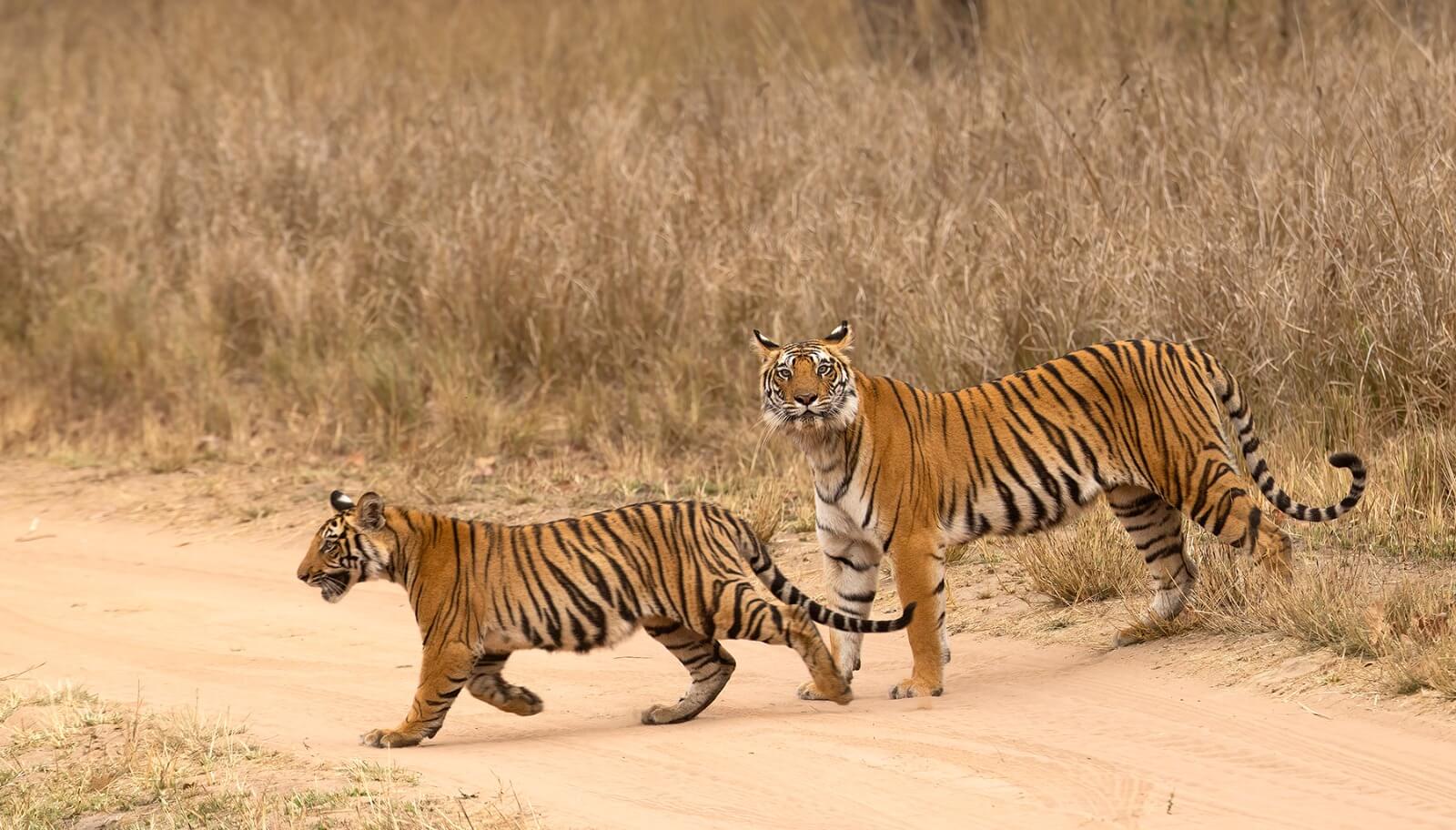
This expedition can be combined with our India Tiger & Leopard Photography Expedition, which runs immediately before it. Three of the world's great cats. One journey through India. Contact us to discuss your combined itinerary.
Solara Conservation Foundation
The Solara Conservation Foundation (in formation) is an independent non-profit initiative dedicated to wildlife protection, habitat preservation, and community-based conservation in the regions where these expeditions take place. The Foundation operates independently. Its focus is on building long-term relationships with rangers, researchers, and local communities — and on ensuring that ecosystems like the Mangyu and Rumbak valleys remain intact for the wildlife that depends on them.
In Ladakh, this means supporting the community-led monitoring programmes that make snow leopard expeditions possible, and ensuring that the economic value of wildlife tourism flows back to the families who share their landscape with one of the world’s rarest cats.
The Solara Conservation Foundation is currently in formation and will be applying for ANBI status in the Netherlands.
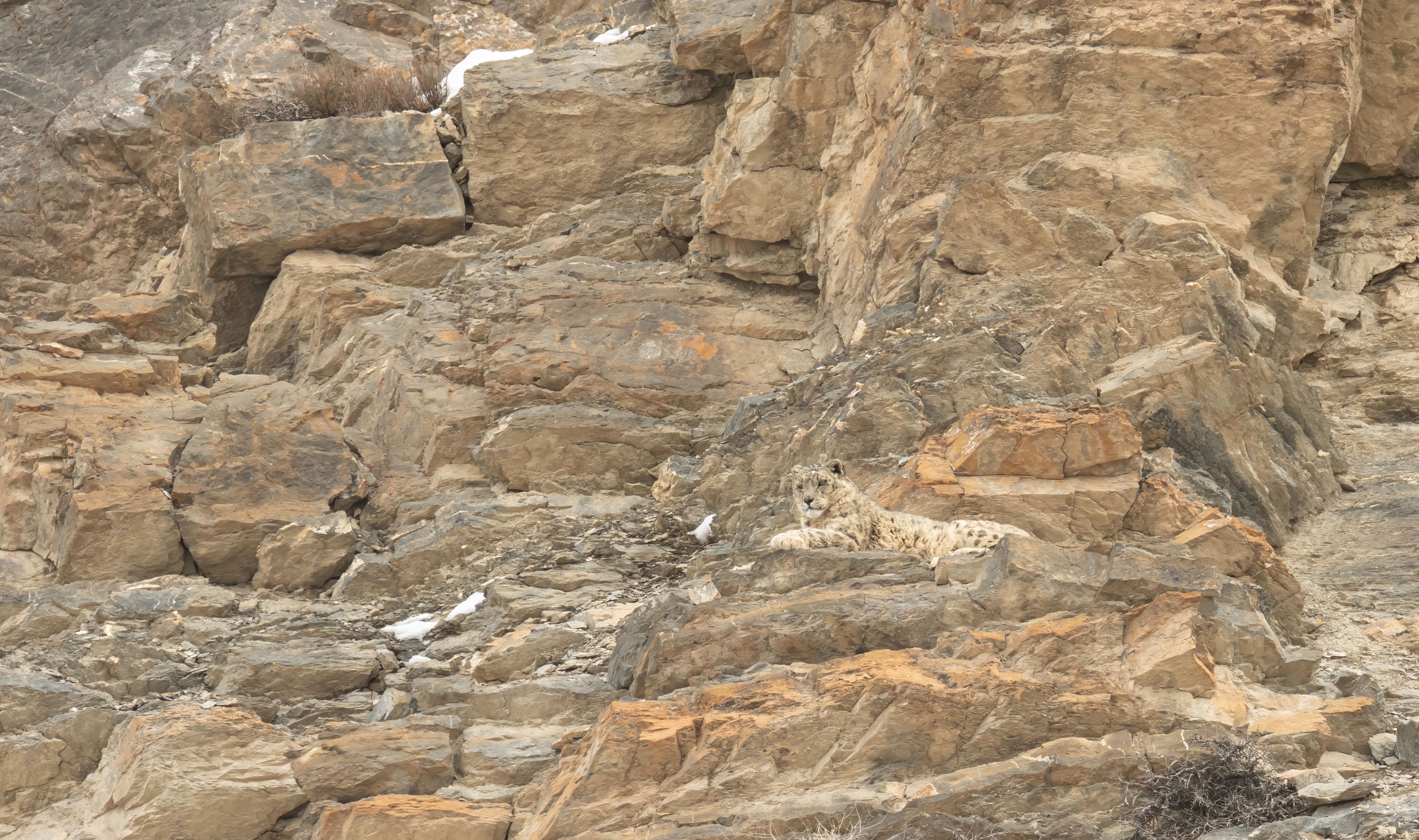
The first time you see one, it is a shape on a ridge.
A spotter’s hand on your arm. A whispered direction. And then, through the scope, something that resolves slowly into a cat — moving across a snowfield as if the mountain belongs to it. Which it does.
You will not see a snow leopard the way you see an animal in a reserve. What you get, if the mountain allows it, is the privilege of observation. A cat that does not know you exist — moving through deep snow with a stillness and grace that makes no sense given the terrain.For some people, the encounter becomes something closer. It happens. But it cannot be promised, and anyone who promises it does not understand the animal.
What I can tell you is that the moment you find one through a scope — that effortless movement across a landscape that would stop most living things — something shifts. The silence of it. The scale of the mountain around it. The understanding that you are watching something most people will never see at all. That is enough.
— Your host photographer, Solara Safaris
Every Solara journey begins with a conversation
We don't take bookings through a checkout. Before any reservation is made, we have a short call to make sure this expedition is right for you. No obligation. Just an honest conversation.
Connect with our safari specialists
Submit the form below and we'll get back to you in 48 hours.
Questions
Everything you need to know before booking this expedition.
No. Nothing in the wild is guaranteed. What we offer is the best possible conditions — the right season, the right valleys, an experienced spotter network covering multiple corridors simultaneously. Sighting rates in these valleys are high throughout the tracking season — but the animal always decides.
Snow leopards are observed through spotting scopes. The animal is seen in its full landscape, moving on its own terms, entirely unaware of your presence. For some travellers the encounter becomes something closer. It happens. But the scope experience is not a consolation — it is the real thing.
Yes. Supplemental oxygen is available throughout the expedition if needed, providing extra reassurance while travelling at altitude.
No prior wildlife photography experience is required. What matters is patience, physical fitness for walking on uneven terrain in cold conditions, and a genuine interest in the natural world. Sandeep provides in-field guidance throughout as part of how each day works.
A telephoto lens of 600mm is ideal for this expedition — snow leopards are often observed at significant distance and the extra reach makes a real difference. A 400mm lens is the practical minimum. If you don’t have a long lens, a smartphone adapter mounted to the eyepiece of the spotting scope is an excellent alternative — a technique known as digiscoping. The adapter holds your phone steady against the eyepiece, costs very little, and produces results that surprise most people. High-quality spotting scopes are provided on every tracking session.
Cold, but not the deep cold of midwinter. Days hover around freezing; nights can fall well below minus fifteen. Layering is essential — a full kit list is provided at booking.
Domestic flights into Leh have lower baggage allowances than international routes, which matters if you travel with two bodies and a long lens. Excess baggage can be purchased in advance. We send the current limits and advise on what to carry into the cabin once you have booked.
Minimum 3, maximum 6 paying travellers, plus Sandeep and the local guide. Once the group is full, the departure is closed.
Yes — comprehensive travel insurance including medical evacuation cover is mandatory. We strongly recommend policies that include helicopter evacuation cover.
Yes. The Tiger & Leopard Expedition runs immediately before this. Three of the world's great cats. One journey through India. Contact us to discuss.
Every Solara booking begins with a conversation — not a checkout. Submit the request form or email info@solarasafaris.com. We will be in touch within 24 hours. No payment is taken at this stage.
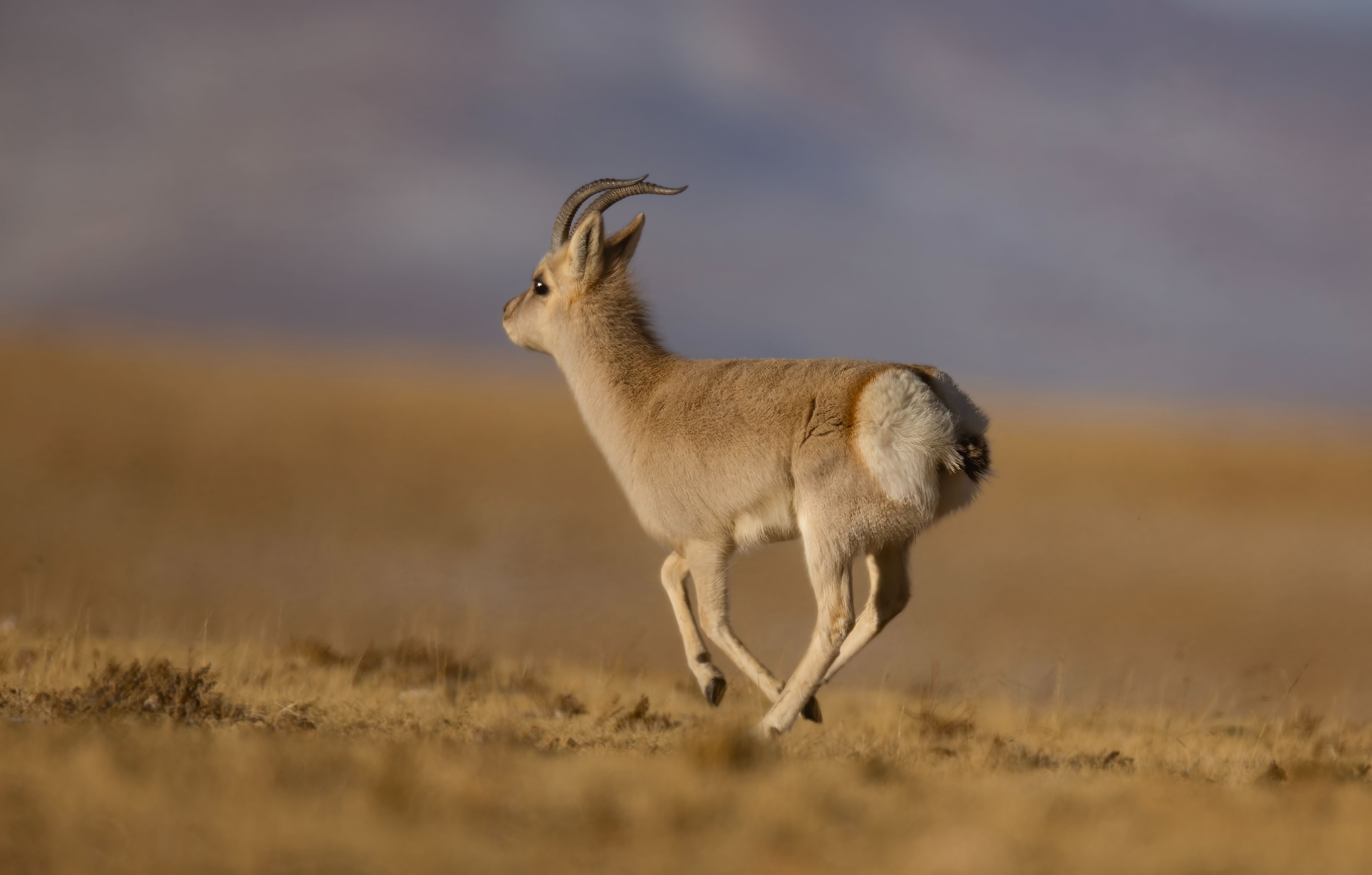
Ladakh through the lens
The landscape, the wildlife, and the light — Ladakh in March



Other Expeditions
Quickly view our other expeditions below or click view all.
Looking for a tailored expeditions? We've got you covered.