Uganda. Where the rainforest meets the savannah.
Most people come to Uganda for two hours. We designed the twelve days that surround them.
More primates than we can promise you
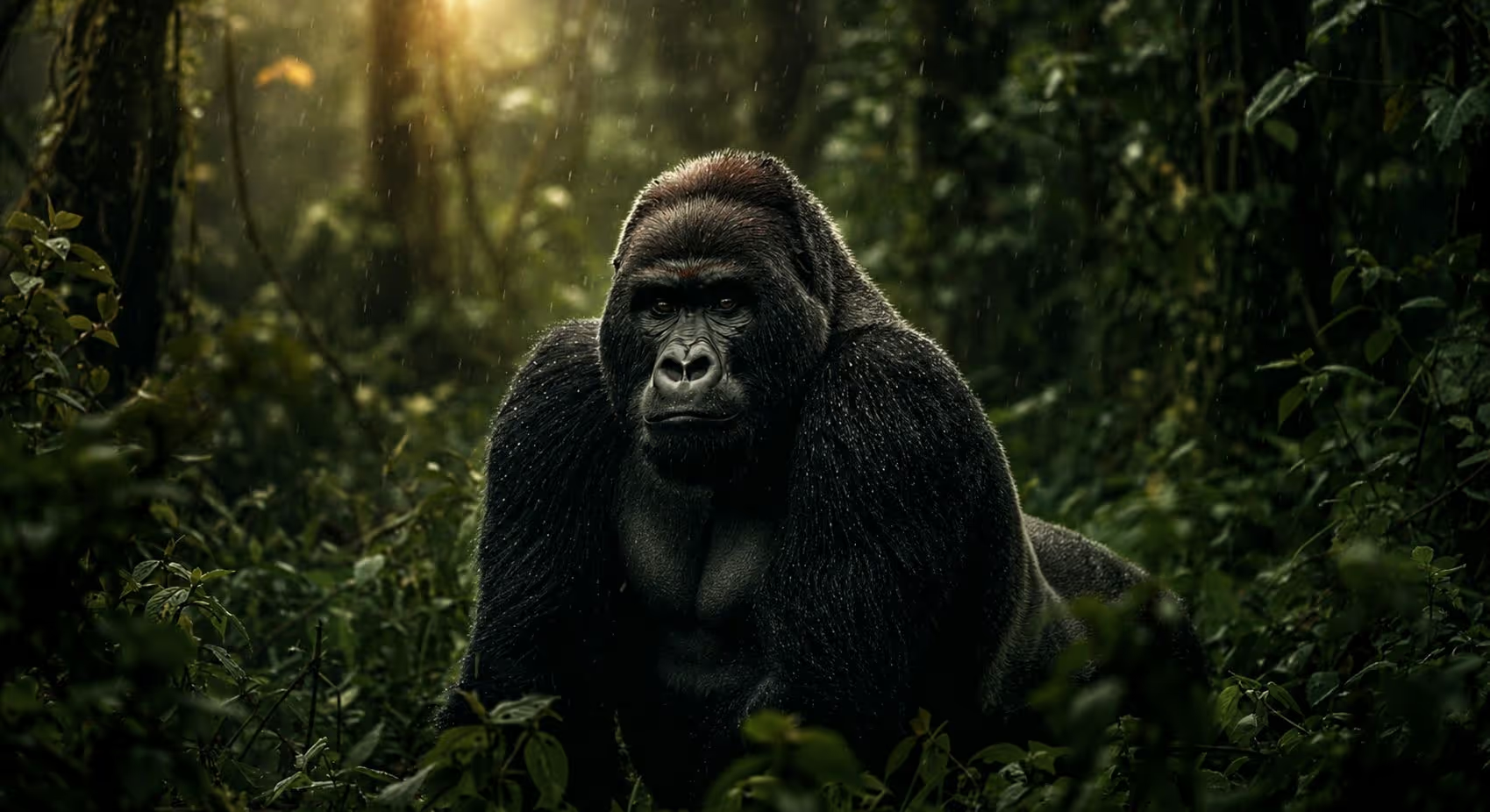
Every Uganda itinerary sells the same two hours: sixty minutes with a gorilla family, sixty minutes with a chimpanzee community. Both are worth the journey. Our gorilla hour is private, and the chimpanzees get an hour plus a habituation day.
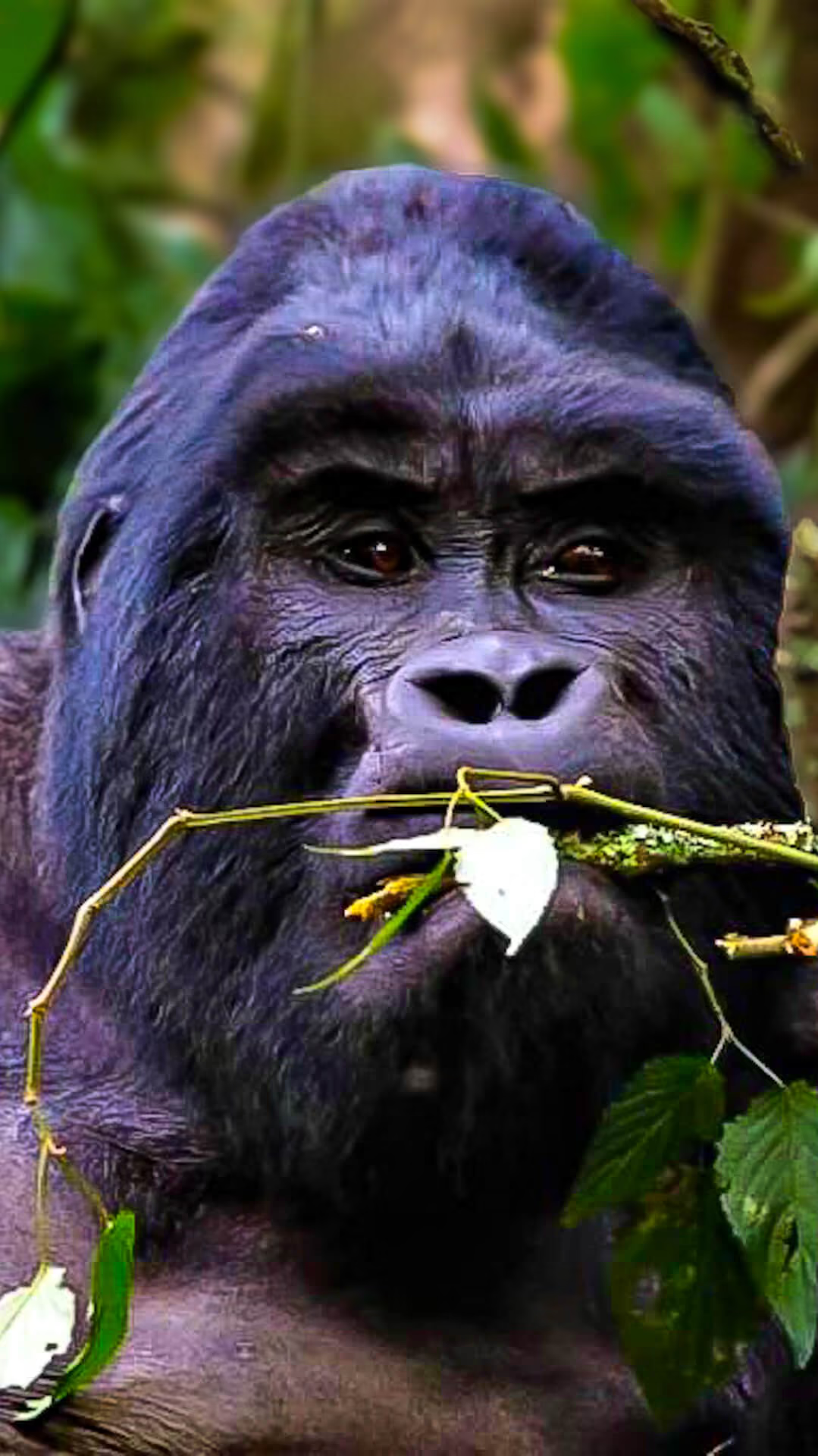
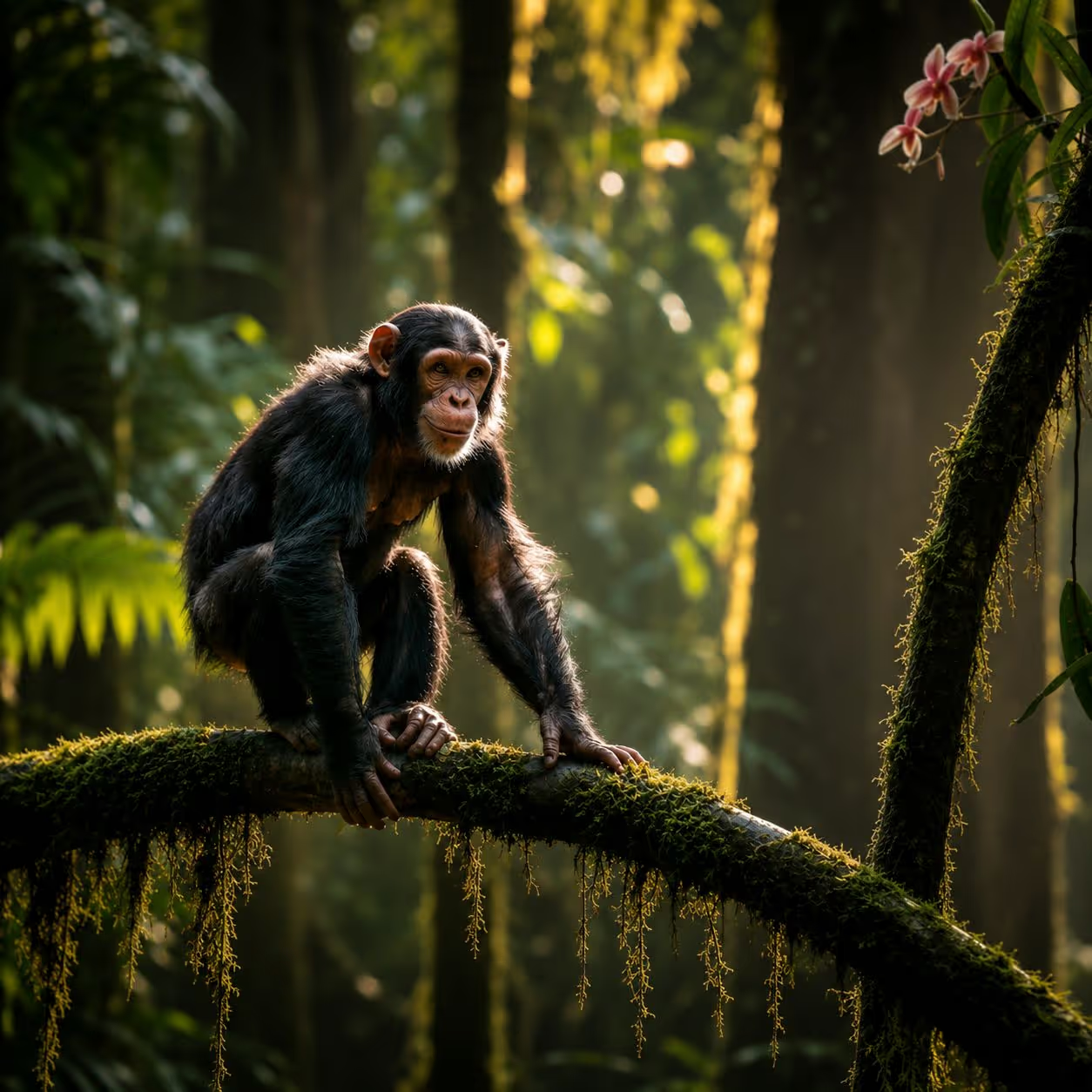
The rest of this expedition is built around the primates nobody puts on a poster. Golden monkeys in the bamboo of Mgahinga, fast and backlit, found on a short morning trek. In Kibale, the Uganda mangabey, the country's only endemic monkey, recognised in 2007, alongside red colobus and grey-cheeked mangabey. L'Hoest's monkeys on the forest edge at Bwindi. Four nights in Queen Elizabeth, where baboons share the Ishasha fig trees with lions that climb them, and vervets line the Kazinga Channel.
The Solara Conservation Foundation (in formation) is an independent initiative dedicated to wildlife protection and community-based conservation in the regions where we travel. Uganda's forests and the communities living alongside them are exactly the kind of place this work is for.
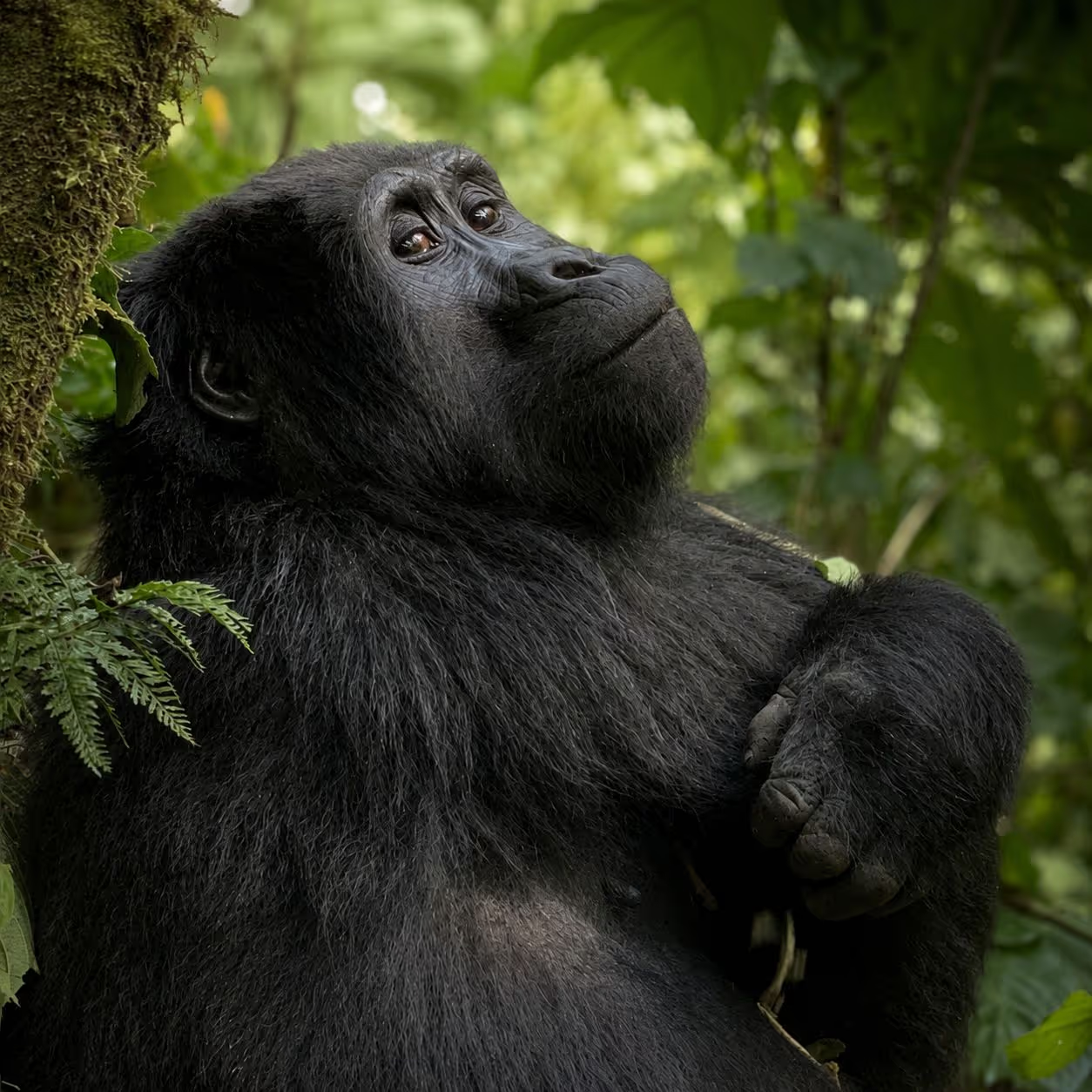






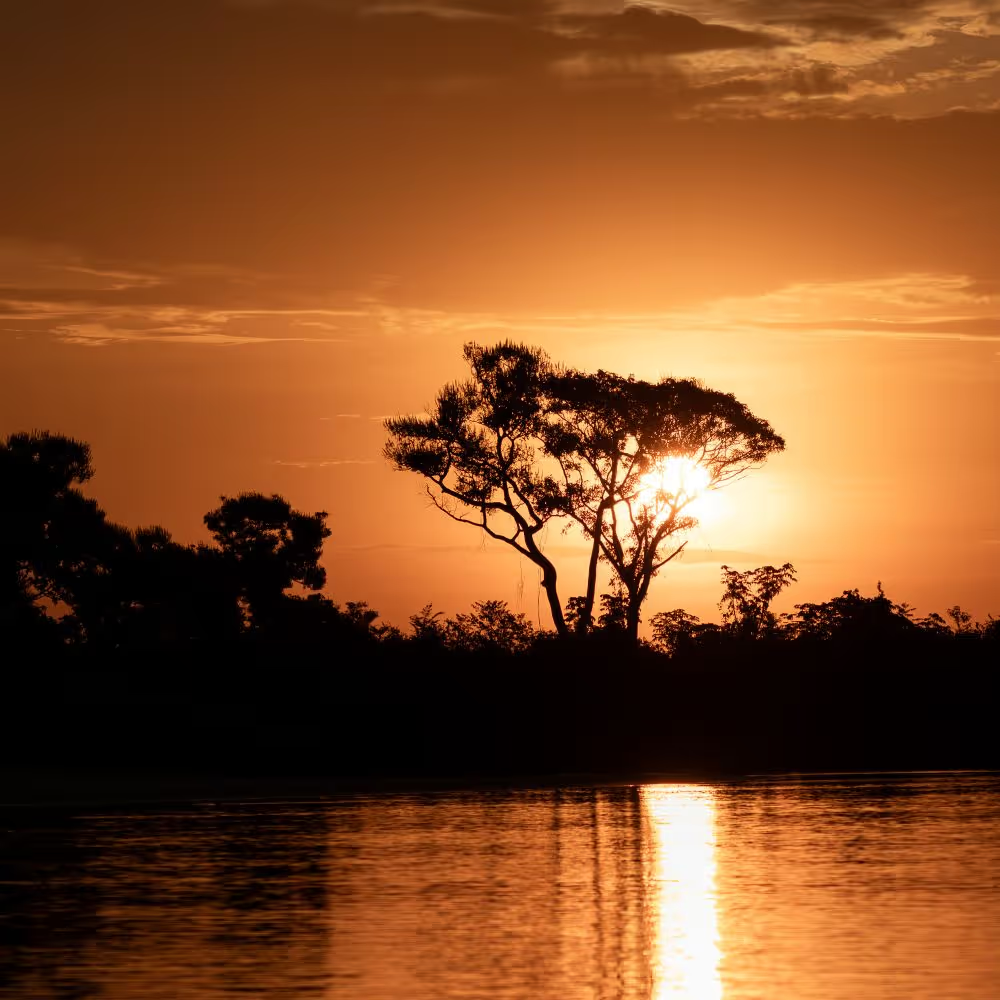
Three regions. Three kinds of light.
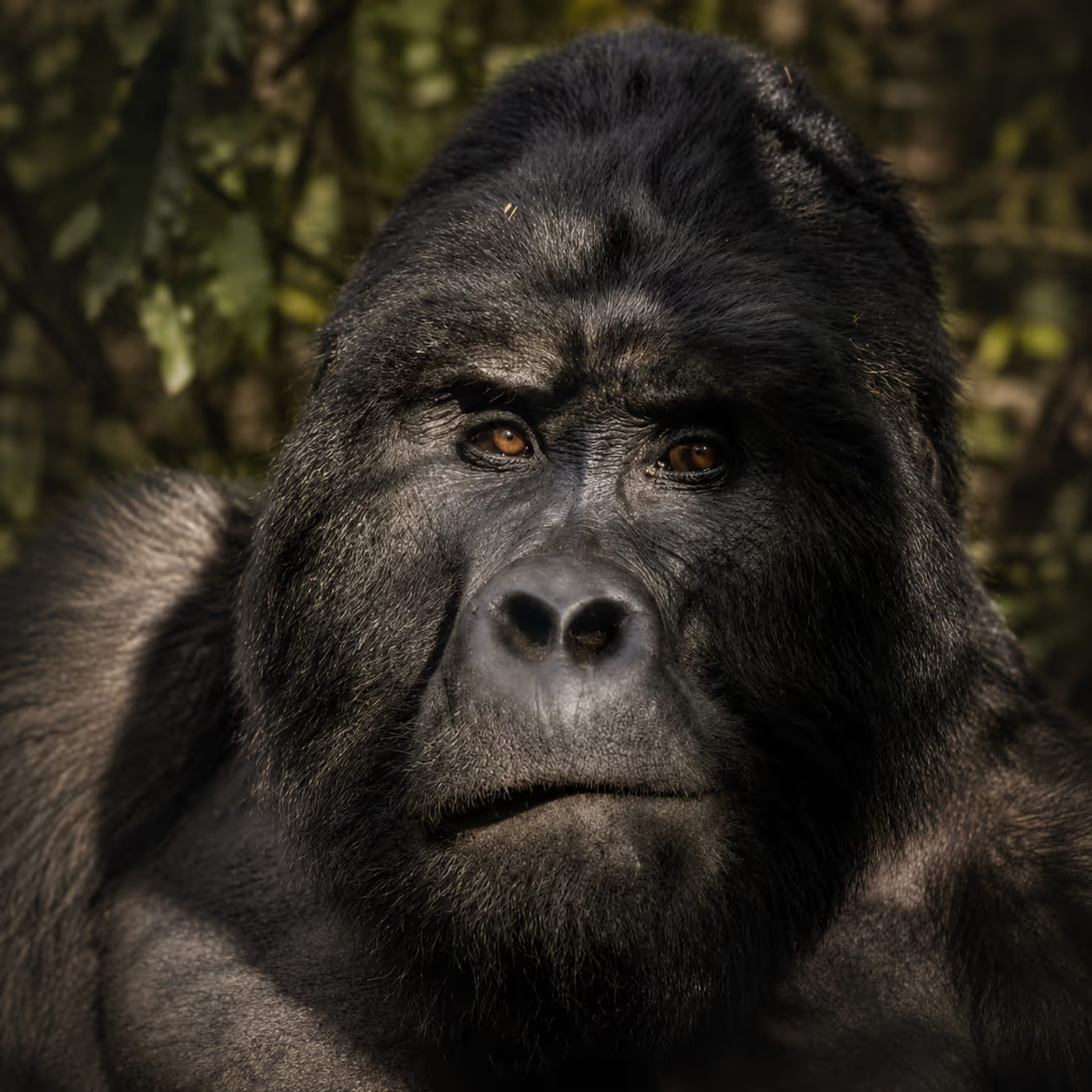

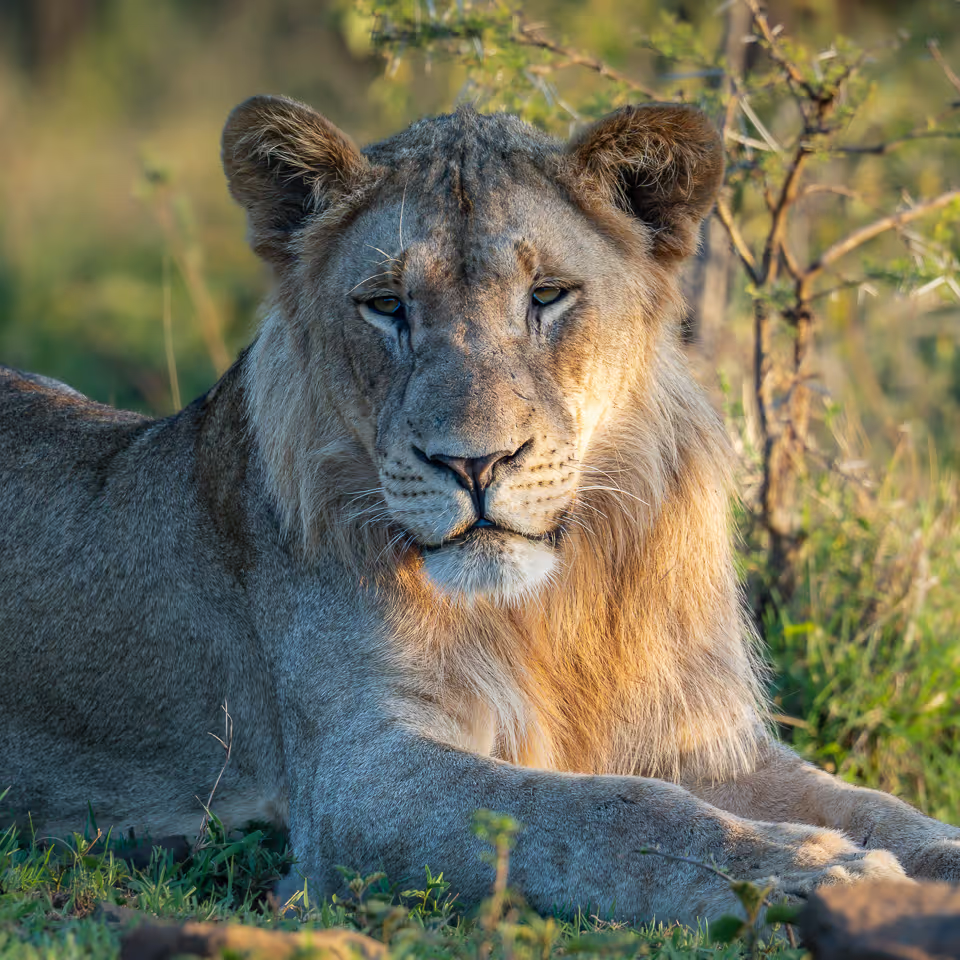
Photography on foot. In silence. At the pace of the forest.
01
Most of it on foot
Gorillas, golden monkeys, chimpanzees and Bigodi are reached on foot. Gorilla treks can run to six hours, the habituation day longer; golden monkeys may sit by the gate or hours uphill. Reasonable fitness matters. Porters carry equipment, and hiring one puts money into local villages.
02
Photography, not a workshop
There is no curriculum and no classroom. The host photographer is in the field and on the trail: where to sit, when to wait, what the light is about to do. On some evenings, an optional review of the day's images for anyone who wants one.
03
Uganda between the parks
Some of the strongest images come from outside the parks. Motorbikes loaded beyond belief. Lorries piled with bananas, livestock and passengers on top. Fruit markets, tea, banana trees everywhere. Most safari vehicles drive straight past. We stop when it is worth stopping.
04
Two mornings, never one
One night in a place gives you one morning. If the light is flat, that is it. So we stay longest where the photographs are: three mornings on the Kazinga plains, an afternoon and a full day with the chimpanzees in Kibale. Where one night is enough, we tell you so.
Day by day.
The pace is always led by wildlife, light, and landscape — not by a fixed schedule.






Everything you need. Nothing you don’t.
Included
- All accommodation (11 nights)
- All meals, dinner on arrival through Day 12 departure
- A window seat for every photographer
- Airport and lodge transfers
- Overland throughout — no domestic flights, no baggage limits on your equipment
- Chimpanzee tracking permit, Kibale
- All eight gorilla permits for one family, so that no other visitors share the hour
- Golden monkey trek, Mgahinga: an hour with them
- Private boat on the Kazinga Channel
- All game drives, in pop-up roof vehicles
- Guided walk at Lake Mburo
- Bigodi swamp walk, community-run
- Time with a Batwa community in Mgahinga
- Park fees and conservation levies
- A host photographer in the field, and optional image review on some evenings
Not Included
- International flights to and from Entebbe
- Optional night game drive, Queen Elizabeth (payable locally)
- Optional lion tracking or Kyambura chimpanzee trek, Queen Elizabeth
- Optional shoebill morning at Mabamba, with an extra night in Entebbe
- Porters on all treks, optional and paid locally
- Travel insurance (required — see FAQ)
- Uganda visa fees
- Alcoholic beverages
- Personal expenses and gratuities
- Booking fee (€35) and GGTO/AVR levy (€9)
Pricing & Availability
This expedition is from 2-13 June 2027.
Minimum 4 travellers · Maximum 6. Once the group is full, the departure is closed.
Solara Conservation Foundation
The Solara Conservation Foundation (in formation) is an independent non-profit initiative dedicated to wildlife protection, habitat preservation, and community-based conservation in the regions where wildlife photography takes place.
In Uganda, the communities living alongside Bwindi and Kibale are central to the long-term protection of these forests. The Foundation's focus is on building relationships with the people and organisations doing this work.
The Solara Conservation Foundation is currently in formation and will be applying for ANBI status in the Netherlands.
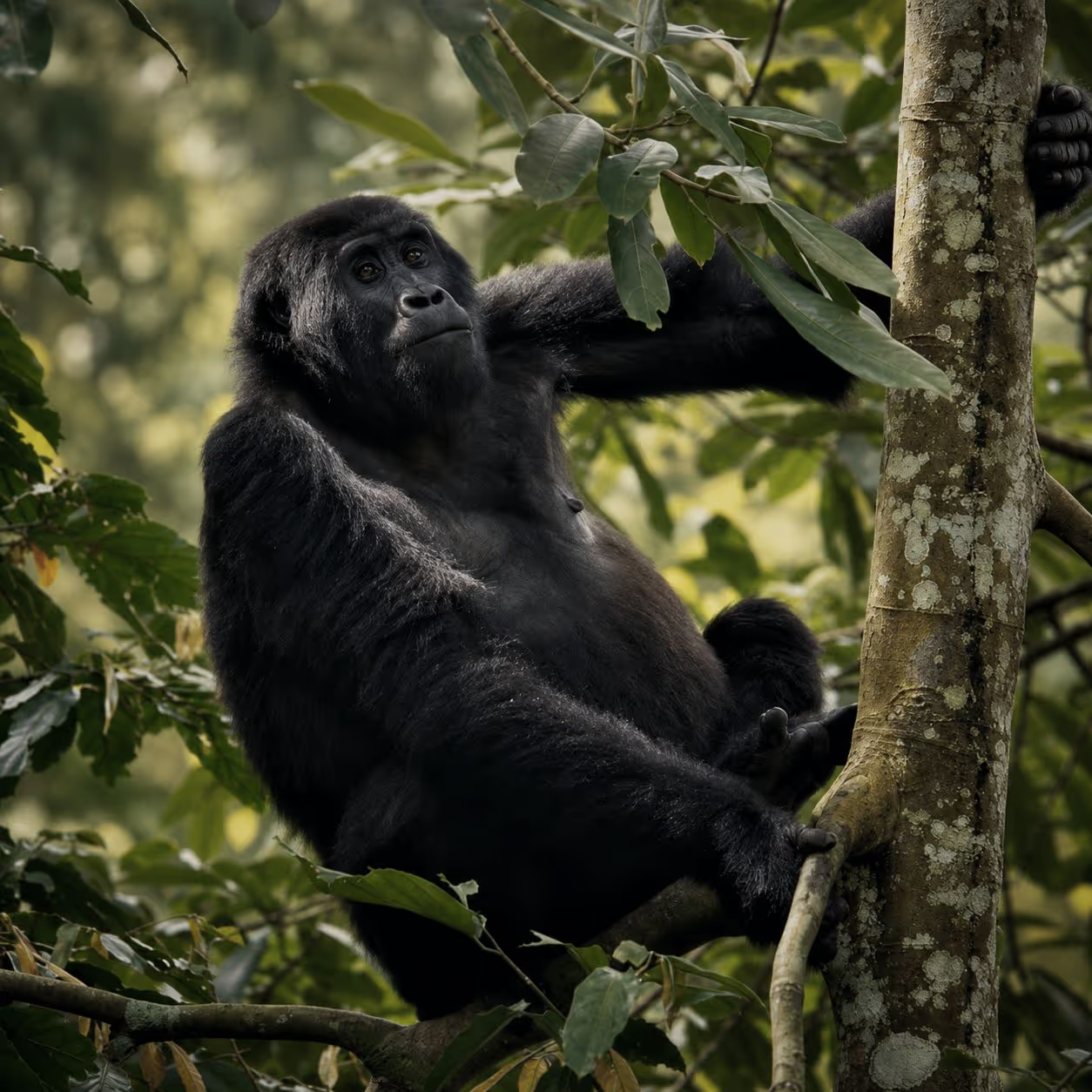
The gorilla did not move. It simply looked.
I have photographed wildlife on every continent. I have sat in vehicles waiting for the light. I have crawled through grass and stood in rivers. But nothing prepared me for the moment a mountain gorilla in Bwindi turned, looked directly at me, and held my gaze for what felt like a very long time.
There is no vehicle between you and that moment. No engine running, no other photographers jostling for position. You are standing in an ancient forest, on the same ground, breathing the same air. The camera almost feels beside the point.
I designed this expedition because Uganda deserves to be experienced this way — slowly, on foot, without the infrastructure of mass tourism between you and what is wild. Come prepared to be changed by it.
— Your host photographer, Solara Safaris
Every Solara journey begins with a conversation
We don't take bookings through a checkout. Before any reservation is made, we have a short call to make sure this expedition is right for you. No obligation. Just an honest conversation.
Connect with our safari specialists
Submit the form below and we'll get back to you in 48 hours.
Questions
Everything you need to know before booking your next adventure.
There is walking most days. The gorilla trek takes two to six hours, often steep. The chimpanzee habituation fills a whole day, and the golden monkeys may be near the gate or a steep climb away. Reasonable fitness matters. Porters are available on every trek.
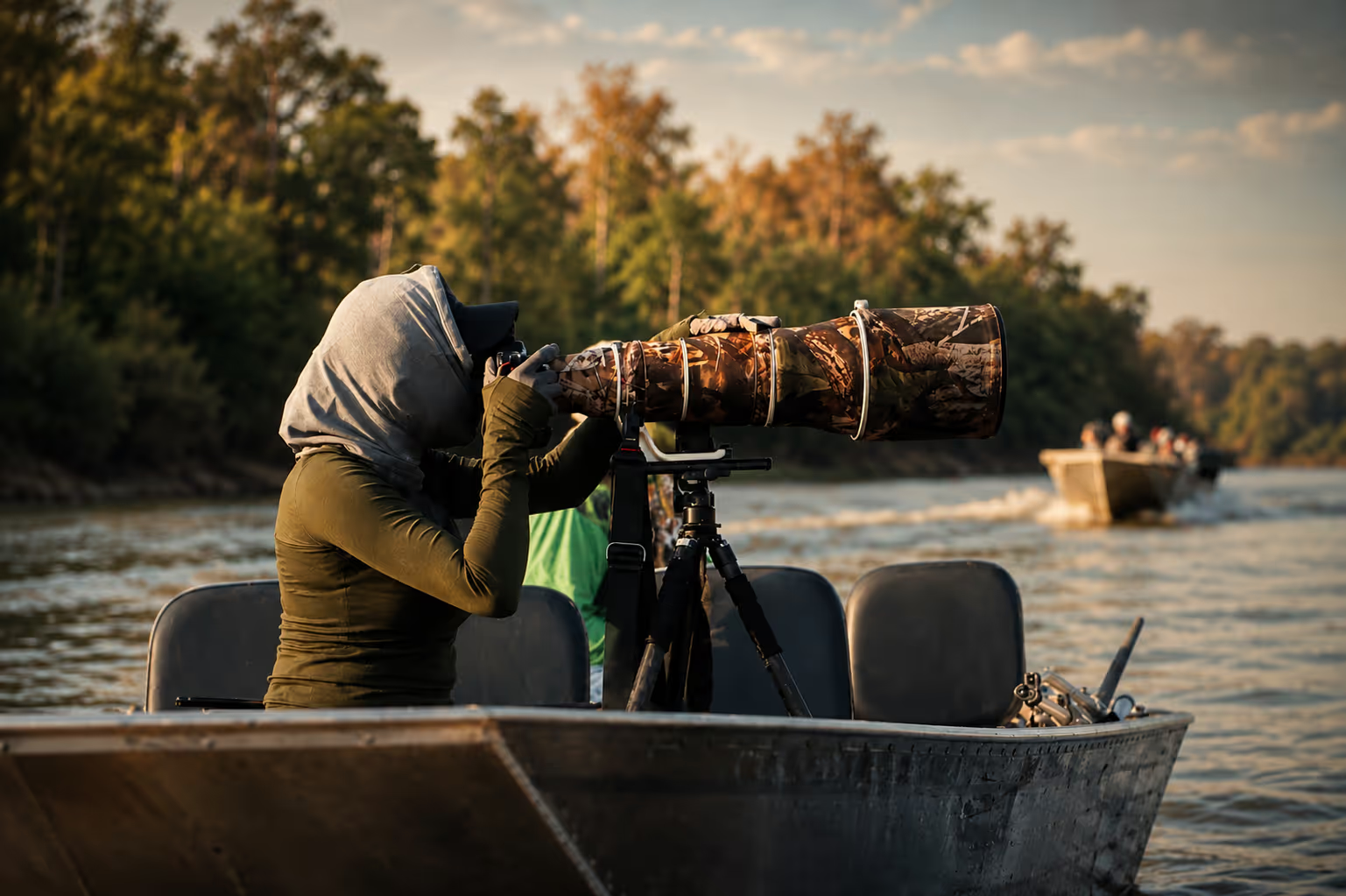
This expedition asks two different things. In Bwindi and Kibale the forest is dark and the animals are close — a fast 70-200mm f/2.8 or 100-400mm, and a wide angle, because gorillas come nearer than you plan for. In Queen Elizabeth the distances open up: 200-600mm earns its weight there. Bring rain protection and spare batteries.
One hour with the gorillas, fixed by the Uganda Wildlife Authority to limit contact, but no other visitors share it: we take all eight permits. With the chimpanzees we trek for an hour, then return for a full habituation day. The golden monkeys also get their hour, after a trek that can be short or very long.
Queen Elizabeth is one of the few parks in Uganda where night drives are permitted. We offer it as an option on the evening in Kazinga, at additional cost, payable locally. It uses a spotlight, so expect high ISO and hard light — a different kind of photograph than the rest of the expedition.
Most lodges on this route run on solar and generators, with power in the evenings rather than around the clock. Ishasha has no mains supply. Bring enough batteries for two full days of shooting, and a charger you can leave running overnight.
Uganda requires proof of yellow fever vaccination on entry, and a visa, which you arrange online in advance. We will send the current requirements once you book. Check with your own doctor or travel clinic in good time — some vaccinations need several weeks.
Yes. The Uganda Primates expedition (2–13 June) runs directly before Uganda Wildlife & Great Apes (15–27 June). Contact us to discuss the combined itinerary.
Yes. Comprehensive travel insurance — including emergency medical evacuation cover — is required for all Solara expeditions.
We begin every reservation with a short personal conversation. There is no obligation at that stage. Use the form below and we will be in touch within 24 hours.
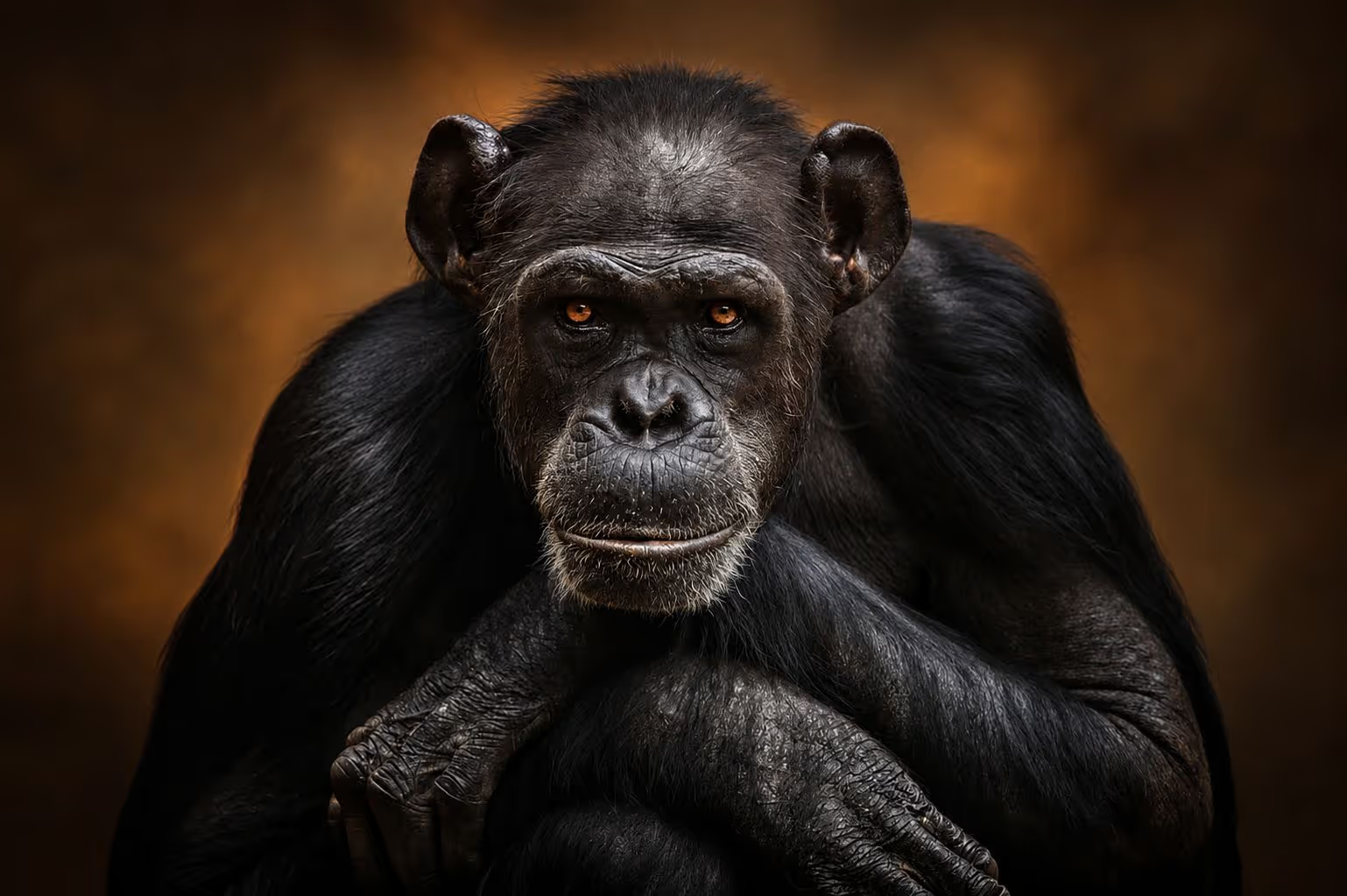
Uganda through the lens
Captured light and wild places from the field
.avif)
Other Expeditions
Quickly view our other expeditions below or click view all.
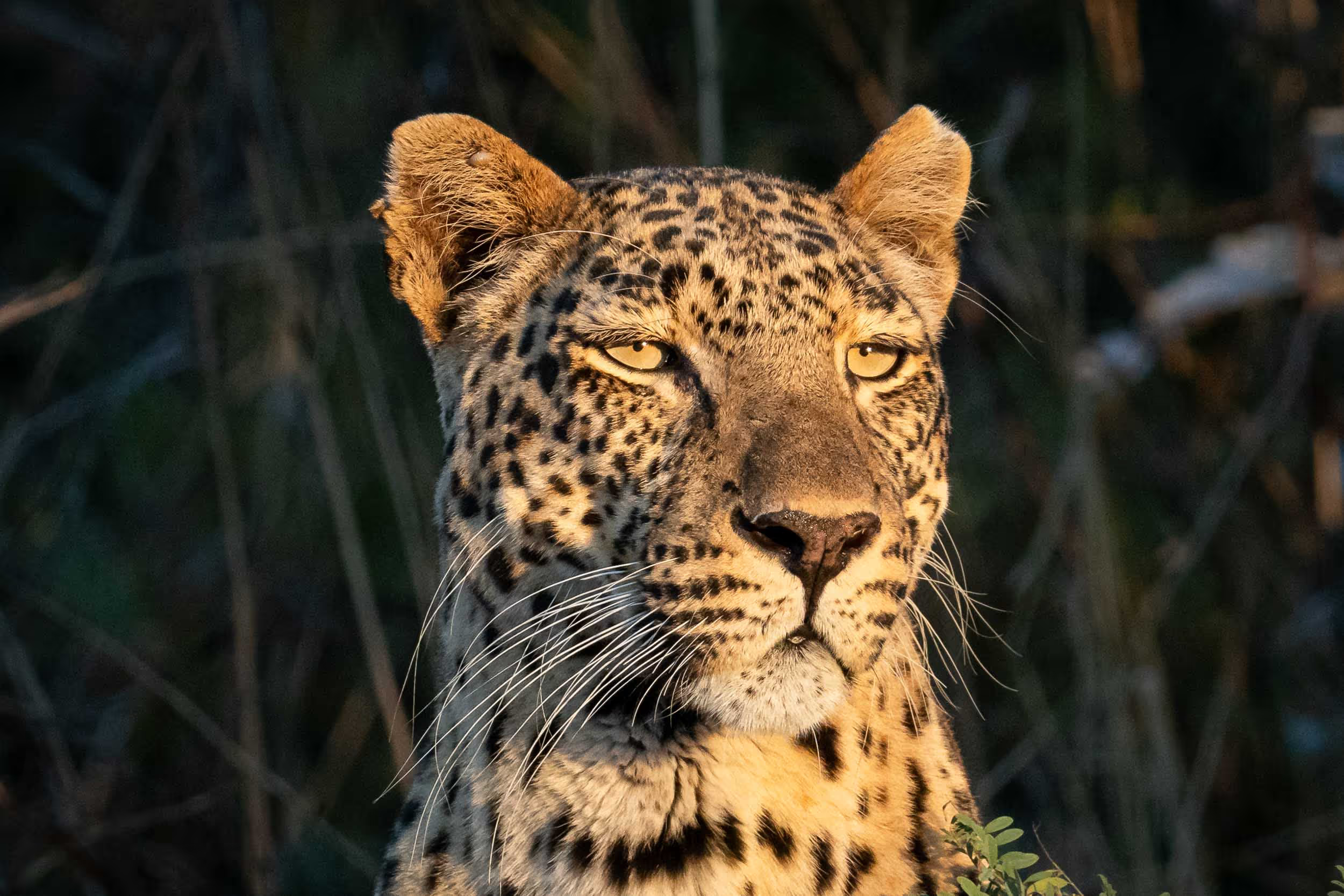
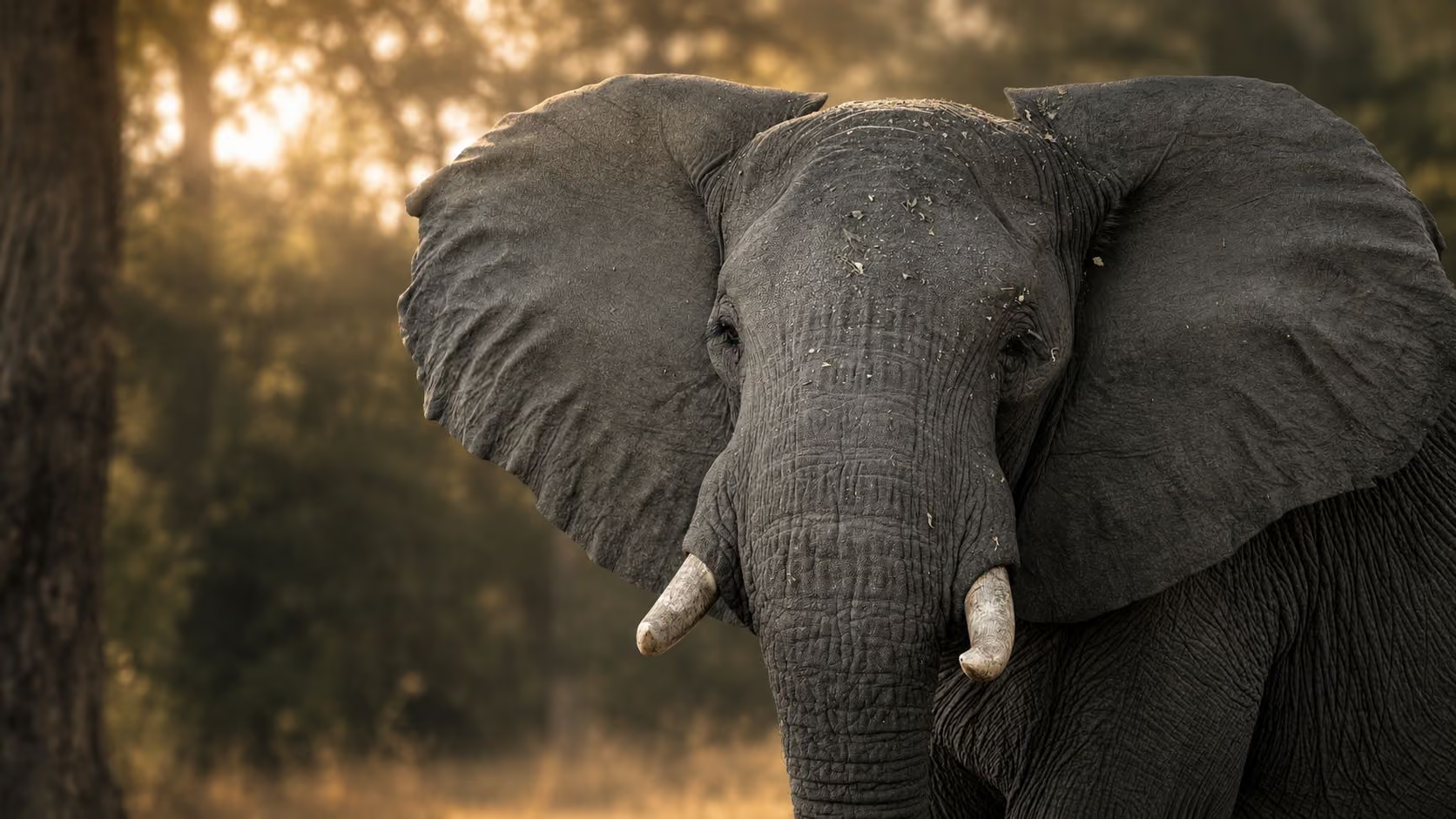
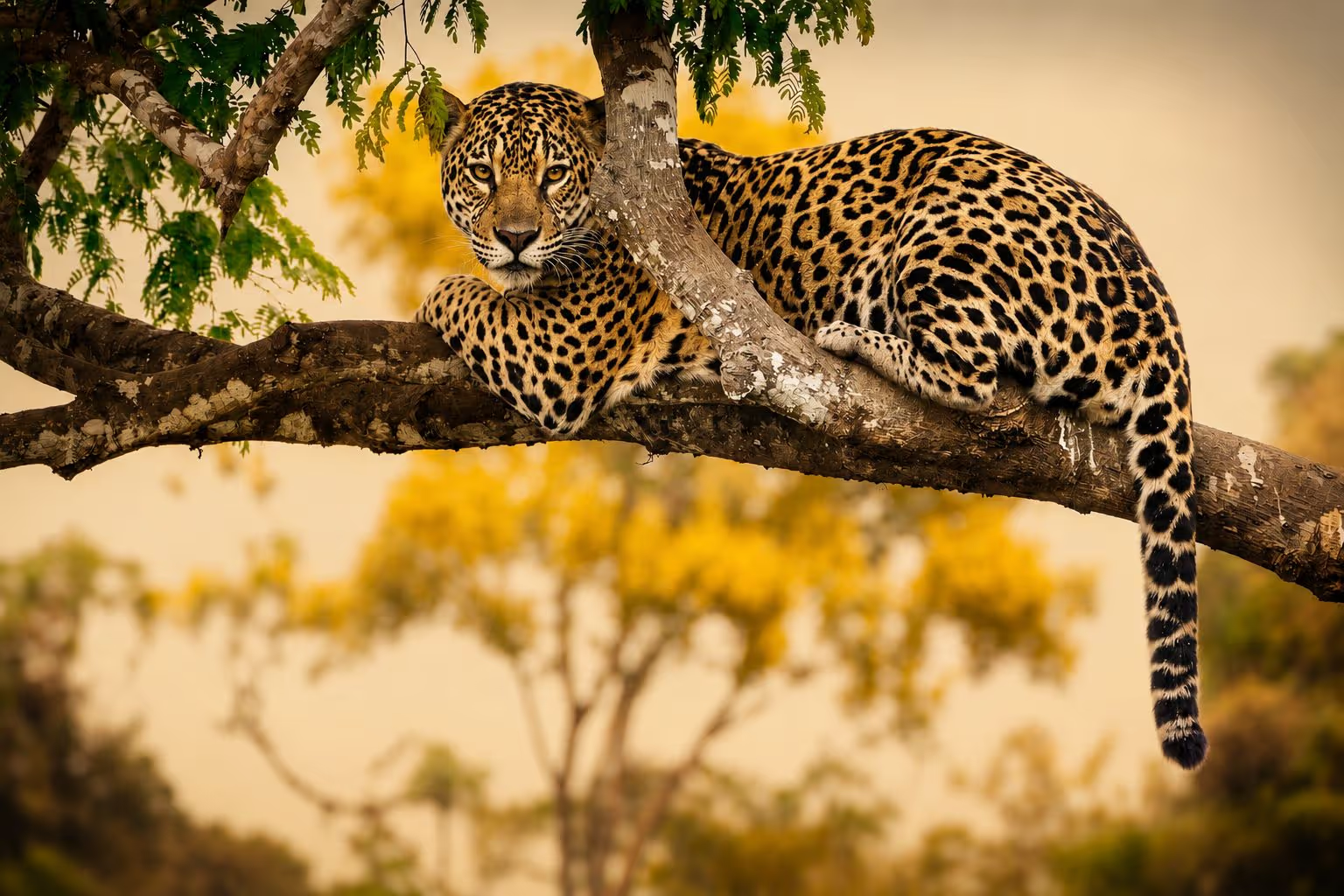
Looking for a tailored expeditions? We've got you covered.

Your journey is in safe hands
We are a member of the Dutch Association of Small-Scale Tour Operators (VvKR). VvKR represents the interests of small, often specialist travel organisations. Through VvKR we combine our strengths and share our expertise, to achieve the greatest possible security and satisfaction for both the tour operator and the traveller.
Click the logos to learn more about what these memberships mean for your booking.