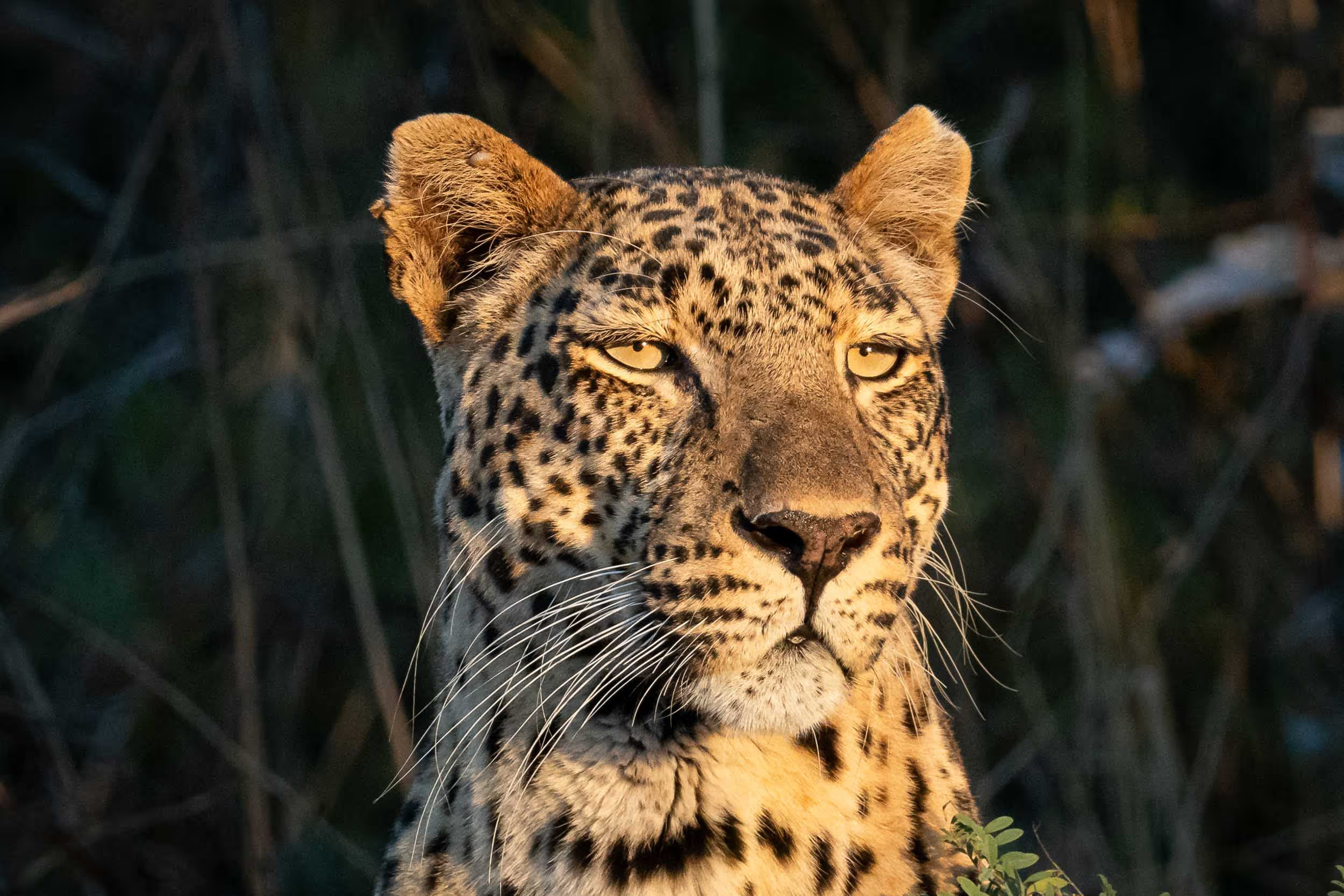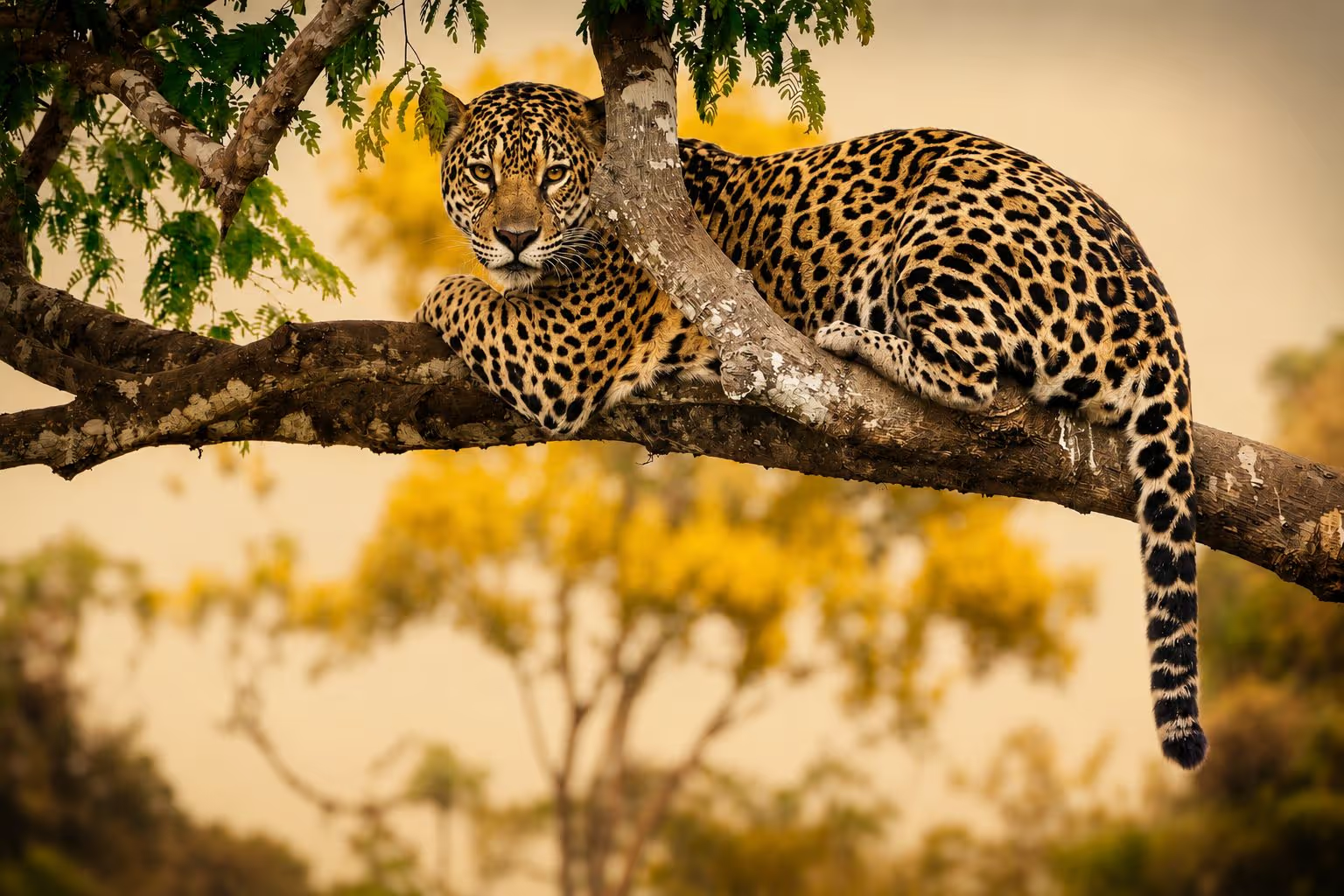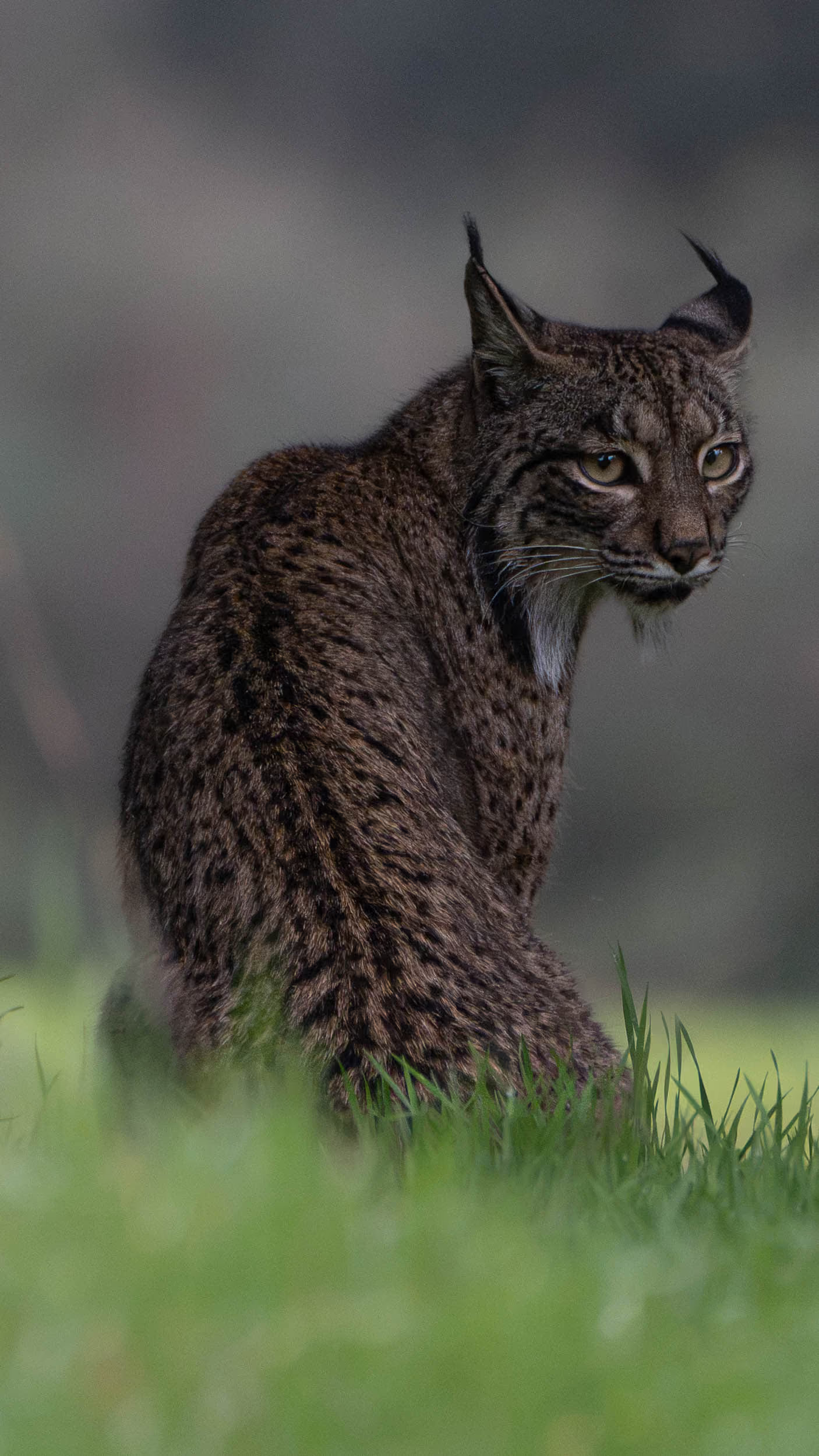
Two great cats. Two forests. One row in the vehicle for every photographer.
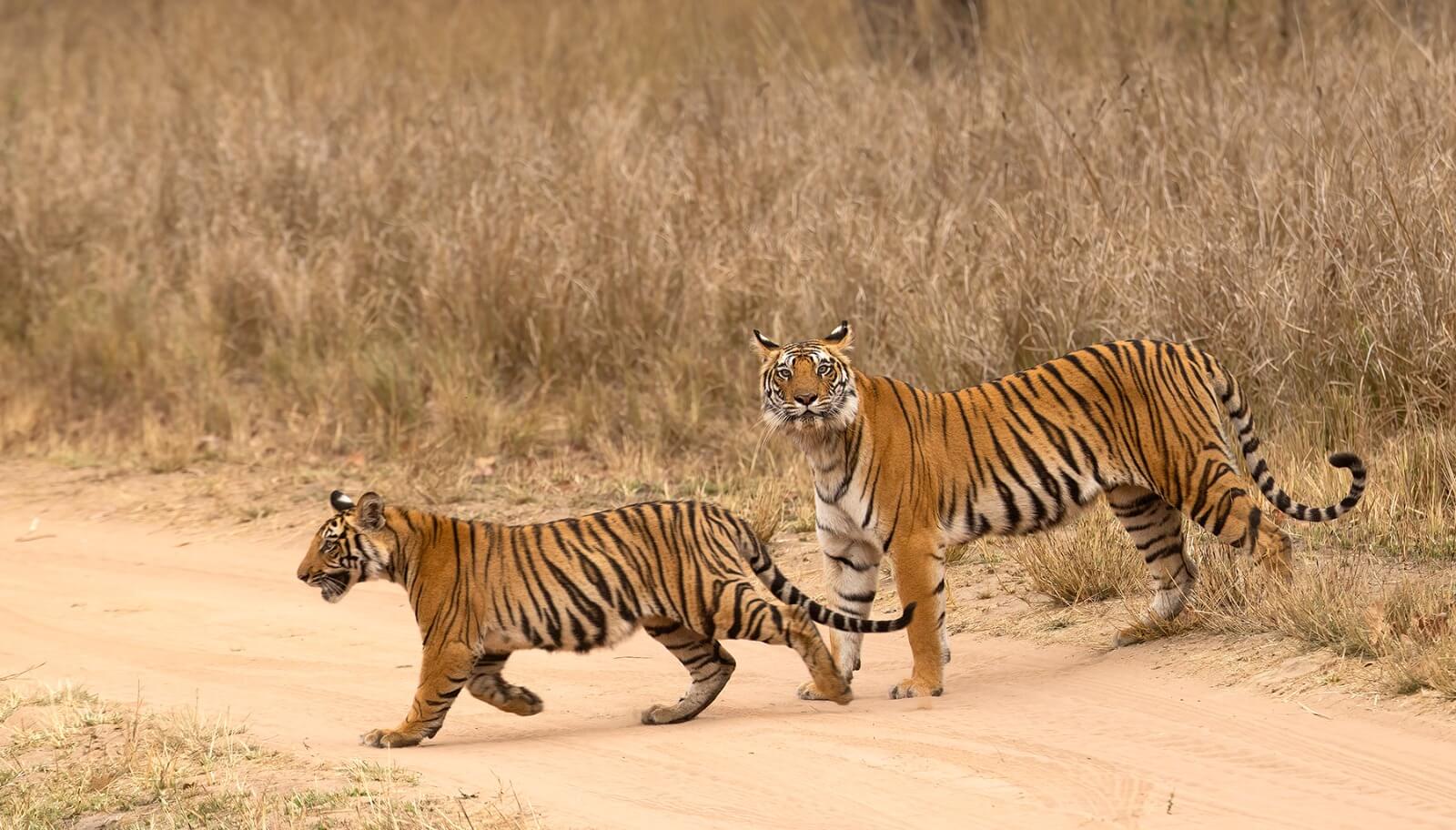
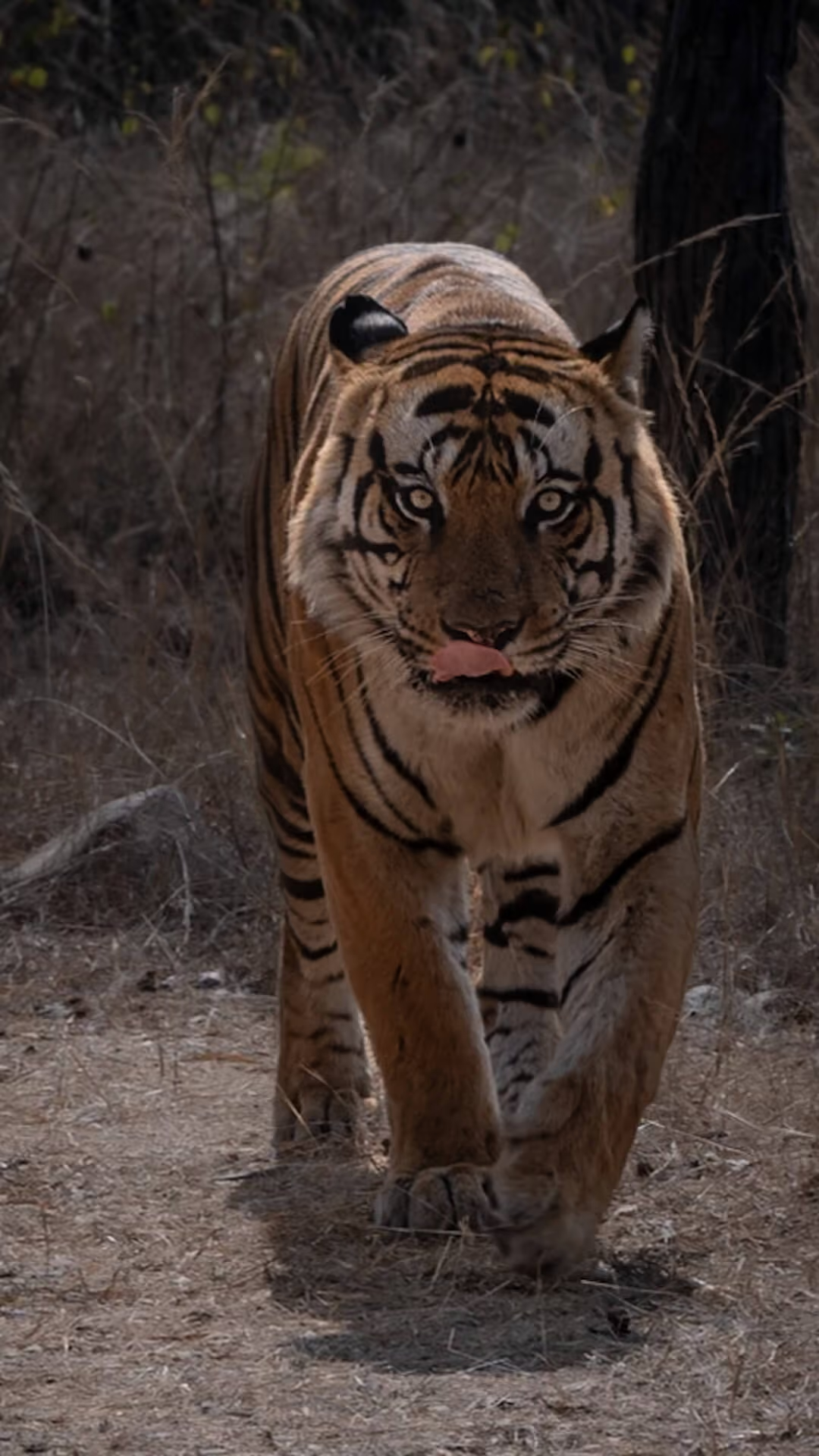
March is the driest month. The undergrowth has thinned, the water has receded, and the cats are moving in the open.
The tiger and the leopard — each in the forest where it is most reliably found.
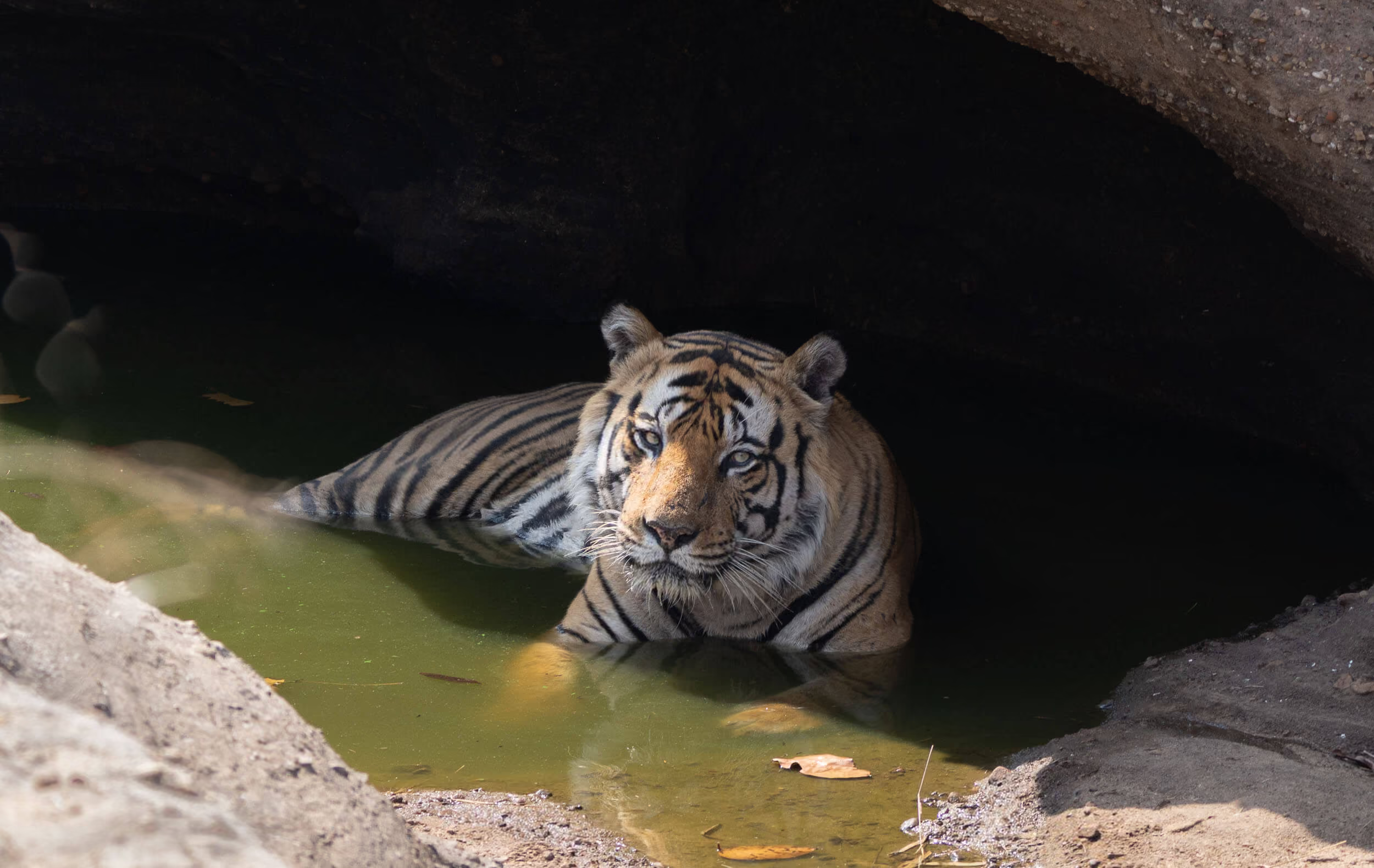
Bandhavgarh holds the highest density of Bengal tigers on earth. Jhalana holds the highest density of leopards. This expedition takes you into both, with fourteen game drives across ten days and a row of your own in the vehicle for every drive you make.
March is why it works. The forest is at its driest and the cats are moving to water.
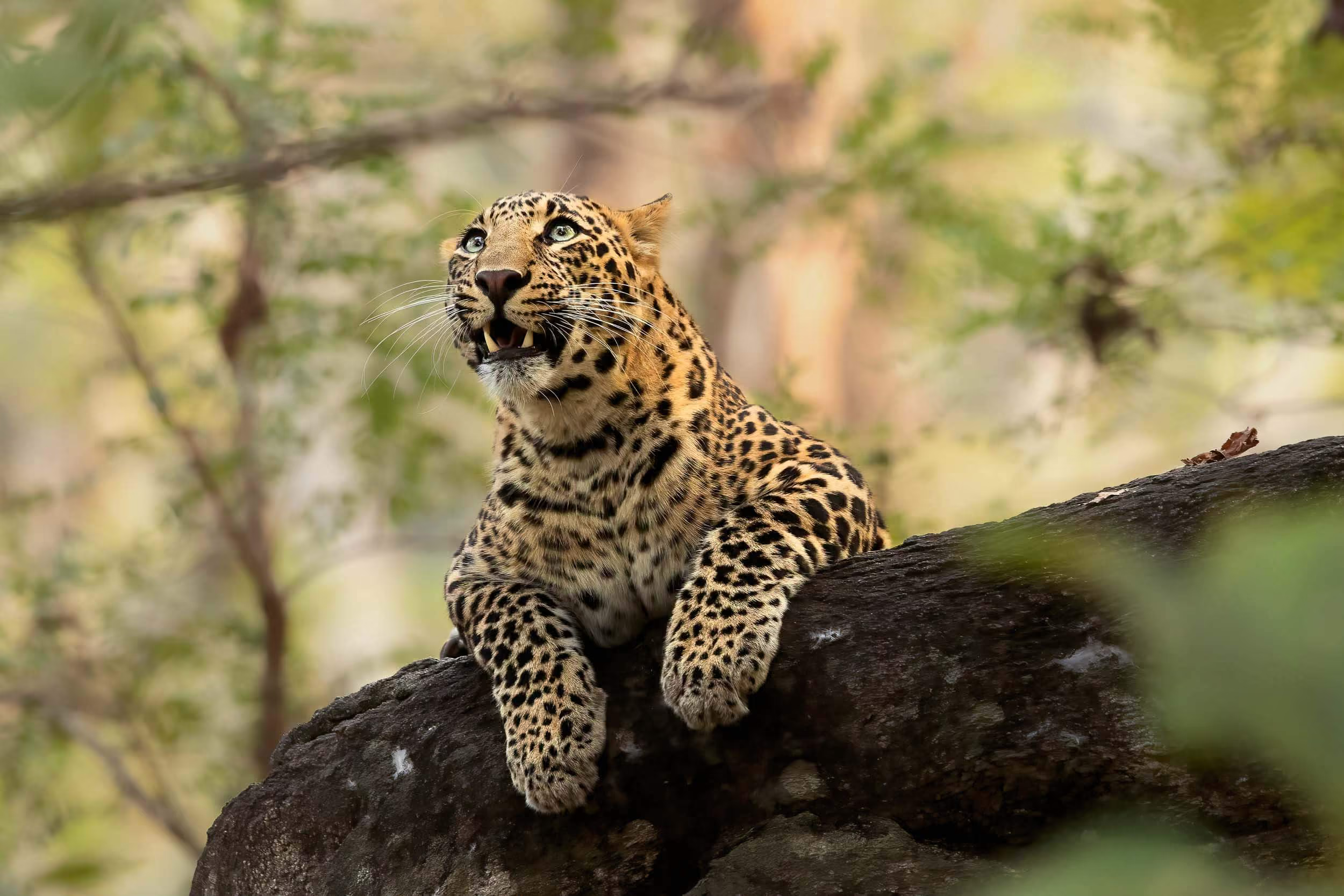
The expedition is built around two very different reserves. Jhalana is twenty square kilometres of dry scrub inside a city of four million — open terrain, habituated leopards, and backgrounds you will find nowhere else. Bandhavgarh is 1,150 square kilometres of sal forest and open meadow beneath a thousand-year-old fort, with around fifty-five tigers moving through it.
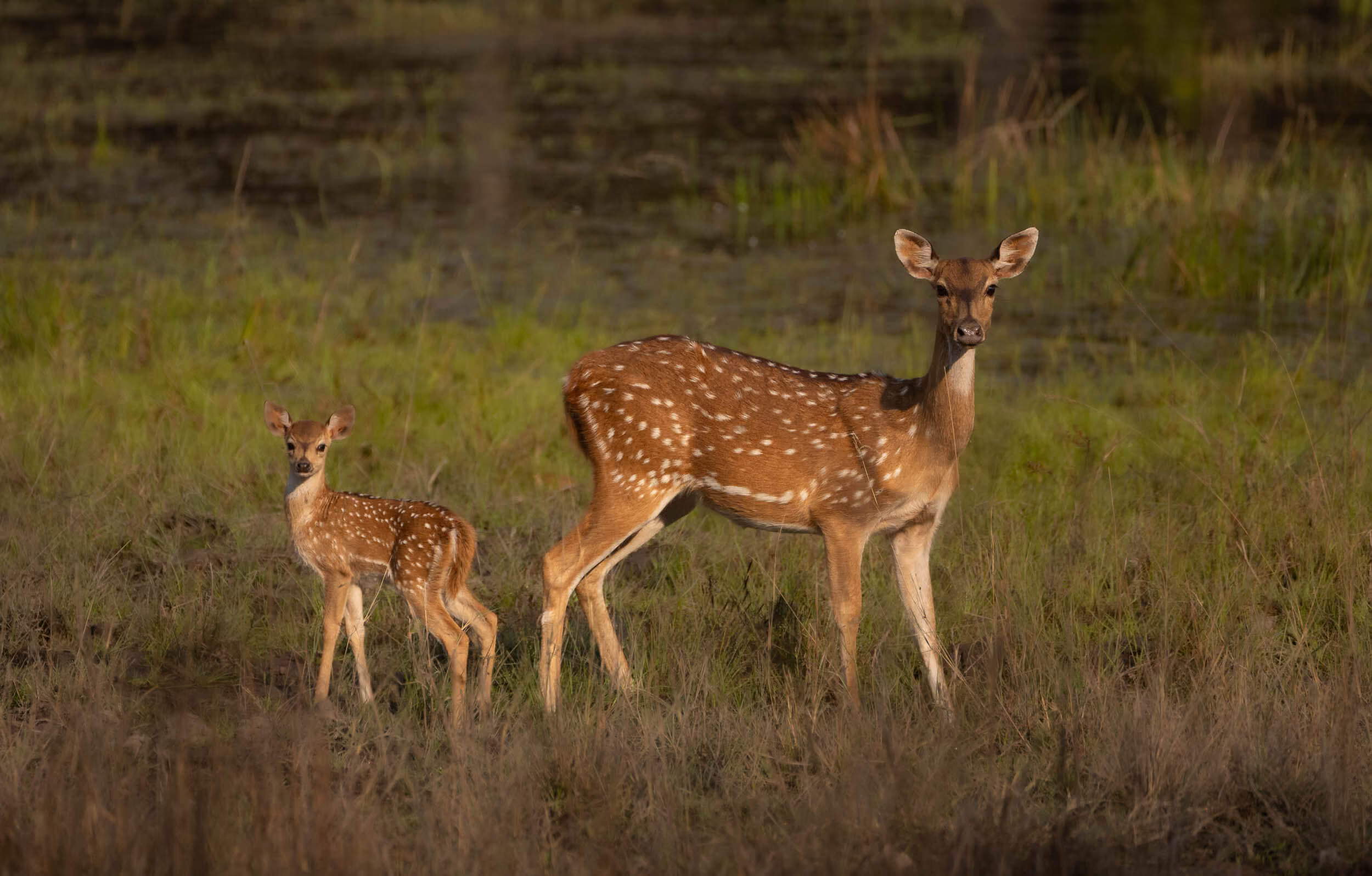
The cats are the reason to come, but they are not all that is here. Sloth bear move through the sal at dawn. Indian gaur graze the meadows in herds. Chital and sambar are everywhere, and their alarm calls are how you find the tiger. Crested serpent eagle and changeable hawk-eagle work the ridgelines overhead. Even on a day without a cat, there is work to be done.
‘A courtyard in the old city, with the dust of the reserve still on you. And four nights later, a cottage in the forest, and the sound of it at night’.
The Solara Conservation Foundation (in formation) is an independent initiative dedicated to wildlife protection and the communities that live alongside it. A portion of every expedition supports the tiger reserves and the villages on their boundaries.
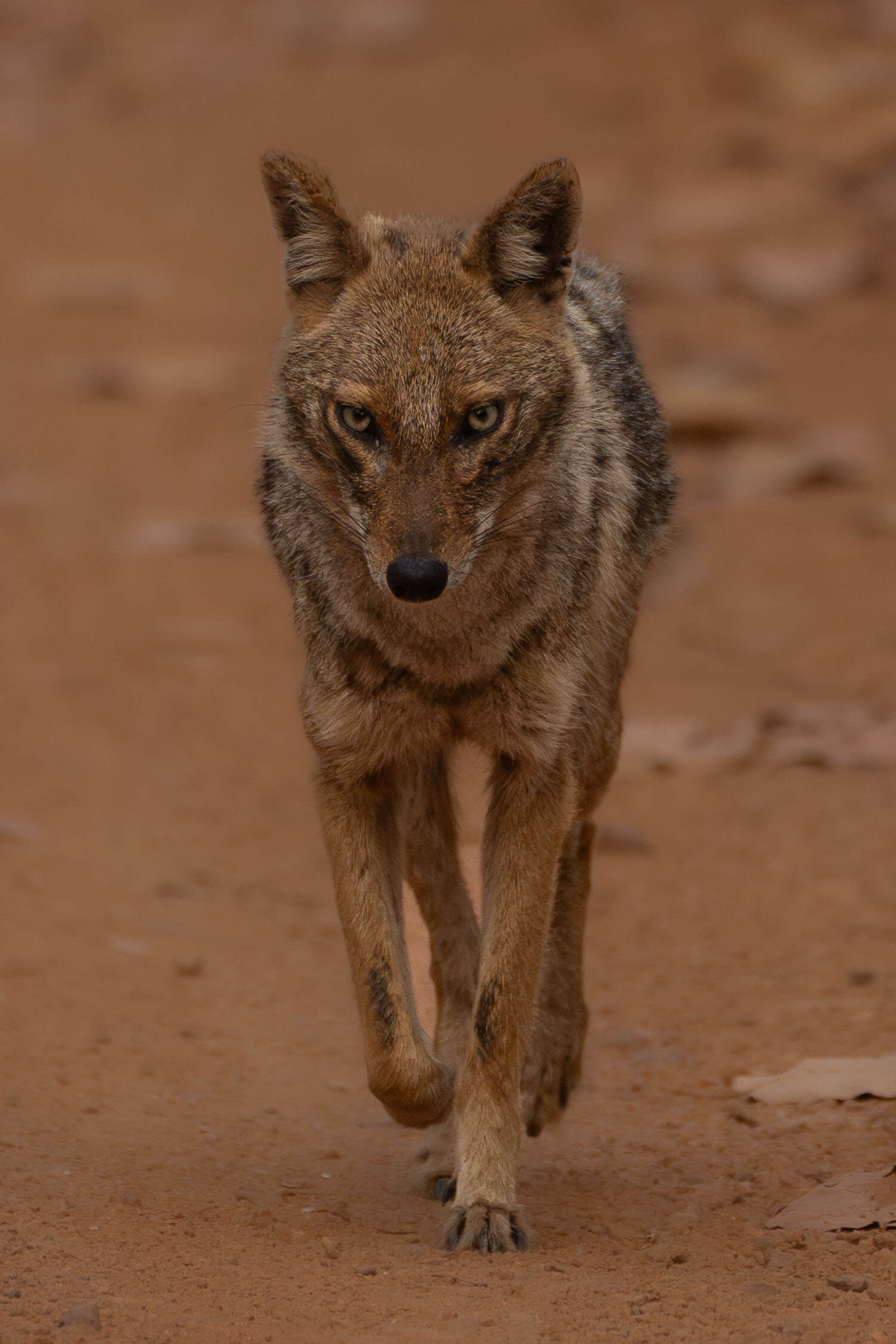






Great cats, in their own forests.

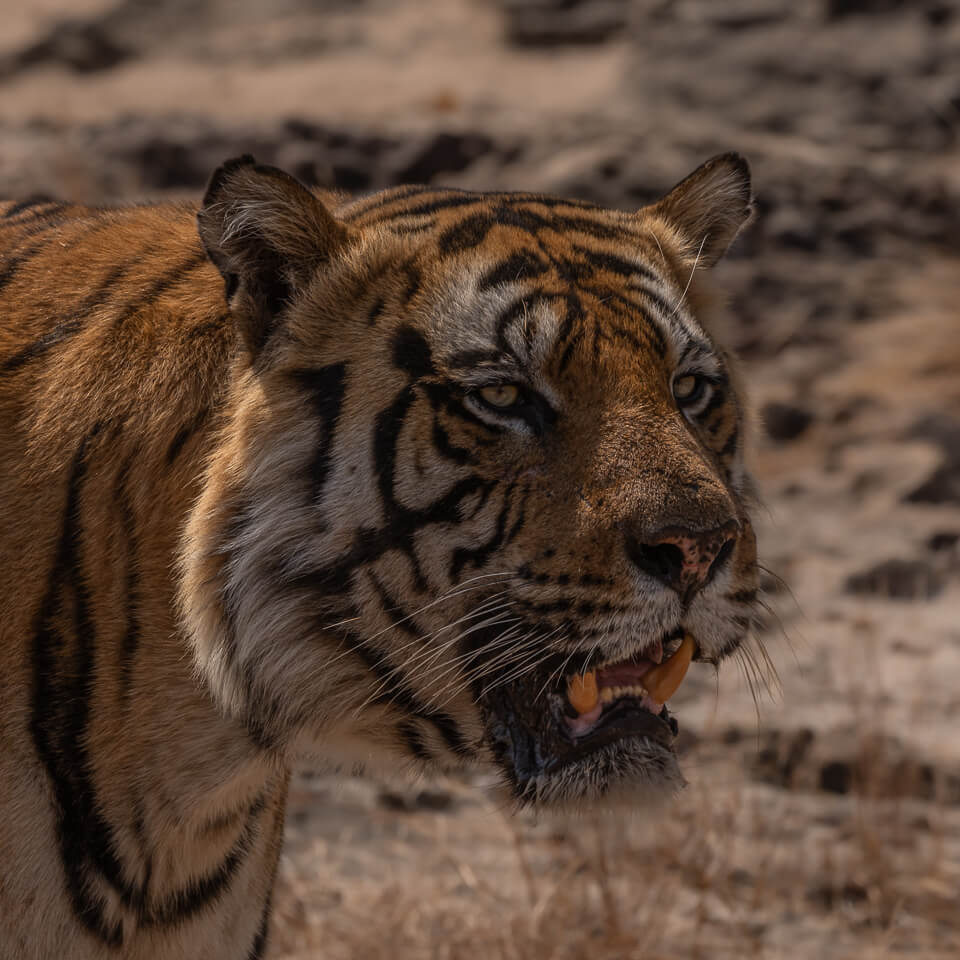
Every decision is made for the photograph.
01
A row to yourself
An Indian gypsy has two rows behind the driver and ranger. We put one photographer in each row. The seat beside you stays empty — for a second body, a long lens, a beanbag — and nobody leans into your frame. Three vehicles run for the group, every drive.
02
How the vehicle works
Most operators seat four to six people in a gypsy and still call it a photography tour. We do not. Our gypsies are private, never shared with other guests. A row of your own is the first difference you will notice, and the one that shows in the frames you bring home.
03
Open vehicle, early light
The gypsy is open on every side and low to the ground — no roof to shoot around, no glass to shoot through, and close to eye level with a tiger on a forest track. We are at the gate before it opens, because the first hour after sunrise is when the cats move and the forest holds its best light. Beanbags provided.
04
Photography in the field
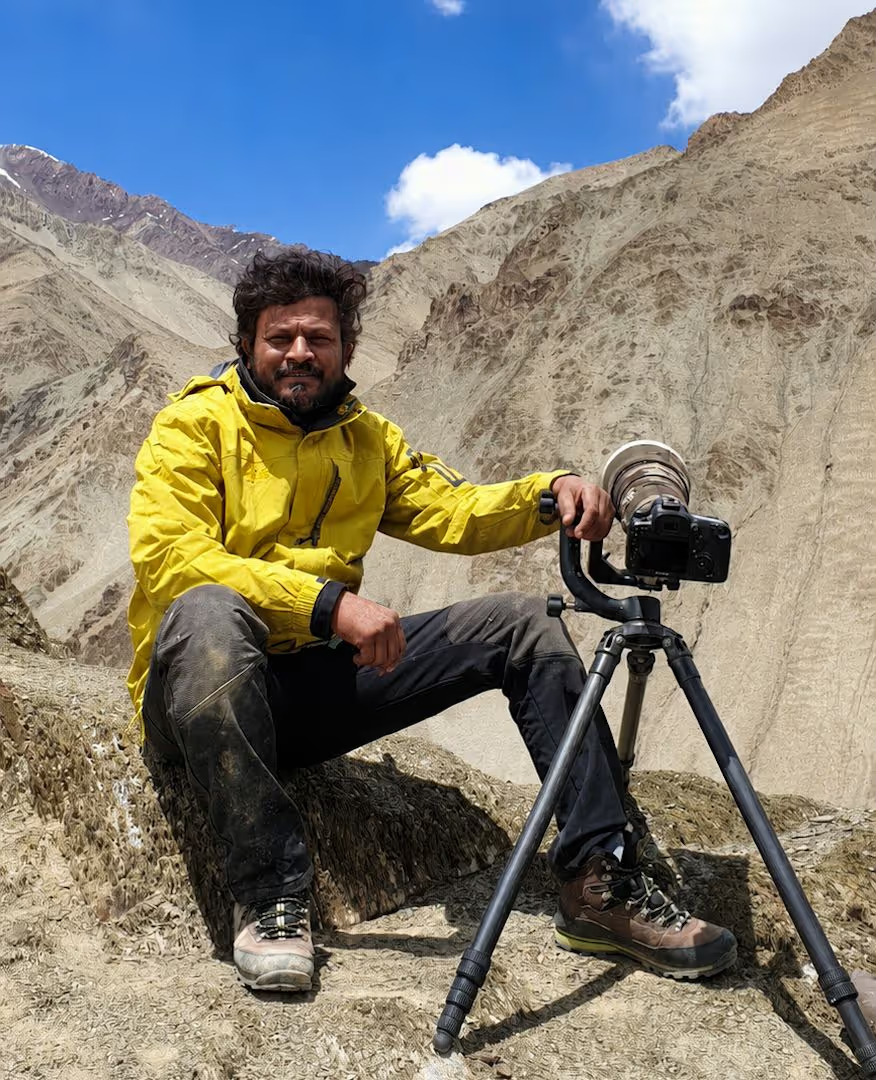
Sandeep Desai brings more than thirty years of wildlife photography to every day in the field — reading light, anticipating movement, knowing the animal before the moment arrives. An Indian national, he works easily with the forest guides and rangers, which opens doors. Photography talk is part of each day.
Day by day.
The pace is always led by wildlife, light, and landscape — not by a fixed schedule.




Everything you need. Nothing you don’t.
Included
- All accommodation (9 nights)
- All meals — from Day 1 dinner through Day 10 departure
- Water and non-alcoholic beverages
- 14 game drives across two reserves
- One row per photographer — private gypsies throughout
- All park permits, entry and camera fees
- Forest department ranger on every drive
- Host photographer Sandeep Desai — full expedition
- All airport and lodge transfers by comfortable car
- In-field photography guidance throughout, and evening image reviews on request
Not Included
- International flights to and from India
- Domestic flights — we arrange the booking for you
- Travel insurance (required)
- India visa fees
- Optional cultural excursions in Jaipur
- Alcoholic beverages
- Personal expenses and gratuities
Pricing & Availability
This expedition runs 3 — 12 March 2027
Limited to 5–6 travellers. Once the group is full, the departure closes.
No payment is taken at the enquiry stage.
This expedition can be combined with our India Snow Leopard Expedition, which begins the day after this one ends. The tiger and the leopard, then the ghost of the Himalaya. Three of the world’s great cats, in one journey through India.
Solara Conservation Foundation
The Solara Conservation Foundation (in formation) is an independent non-profit initiative dedicated to wildlife protection and to the communities who live alongside it. It is funded in part by our expeditions, and it exists because the animals we travel to photograph cannot be separated from the people who share their landscape.
In India, this means supporting the anti-poaching patrols and the village programmes that make tiger conservation work. Bandhavgarh’s tigers survive because the villages on its boundary have reason to want them to.
The Solara Conservation Foundation is currently in formation and will be applying for ANBI status in the Netherlands.
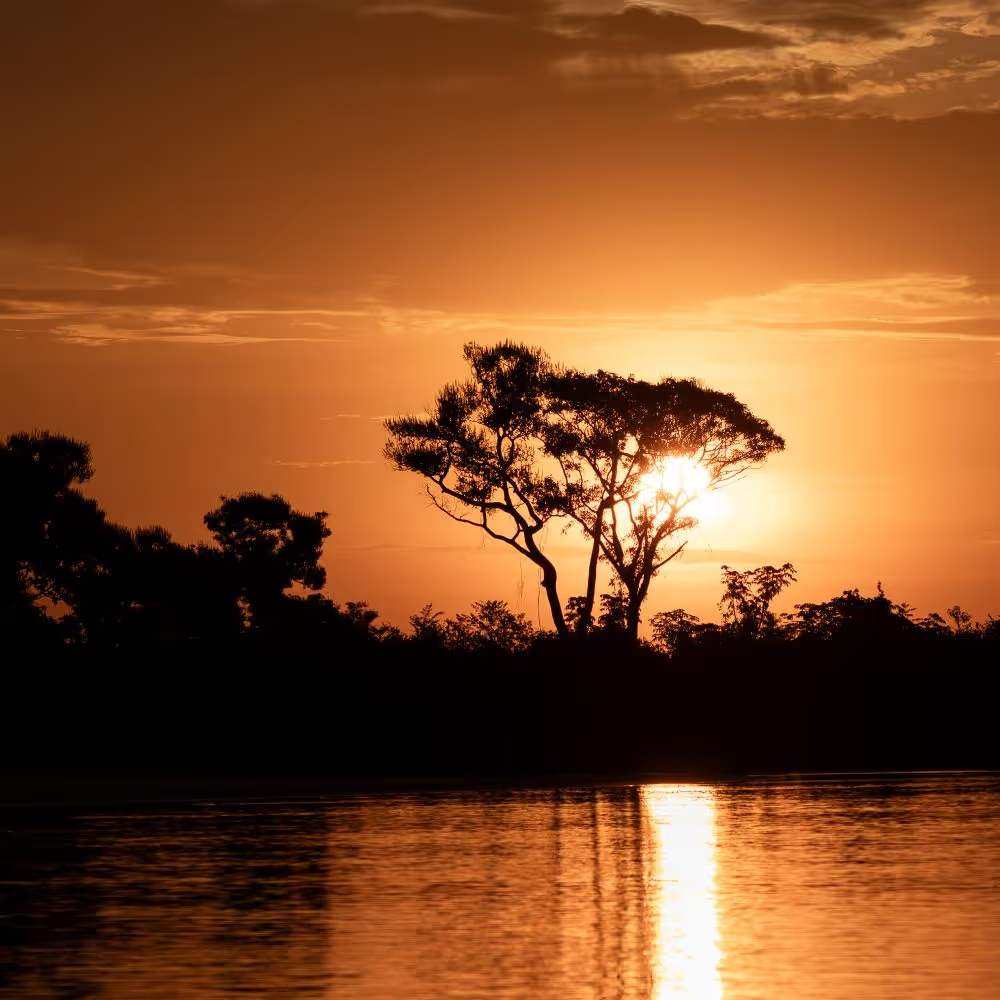
You will hear it before you see it.
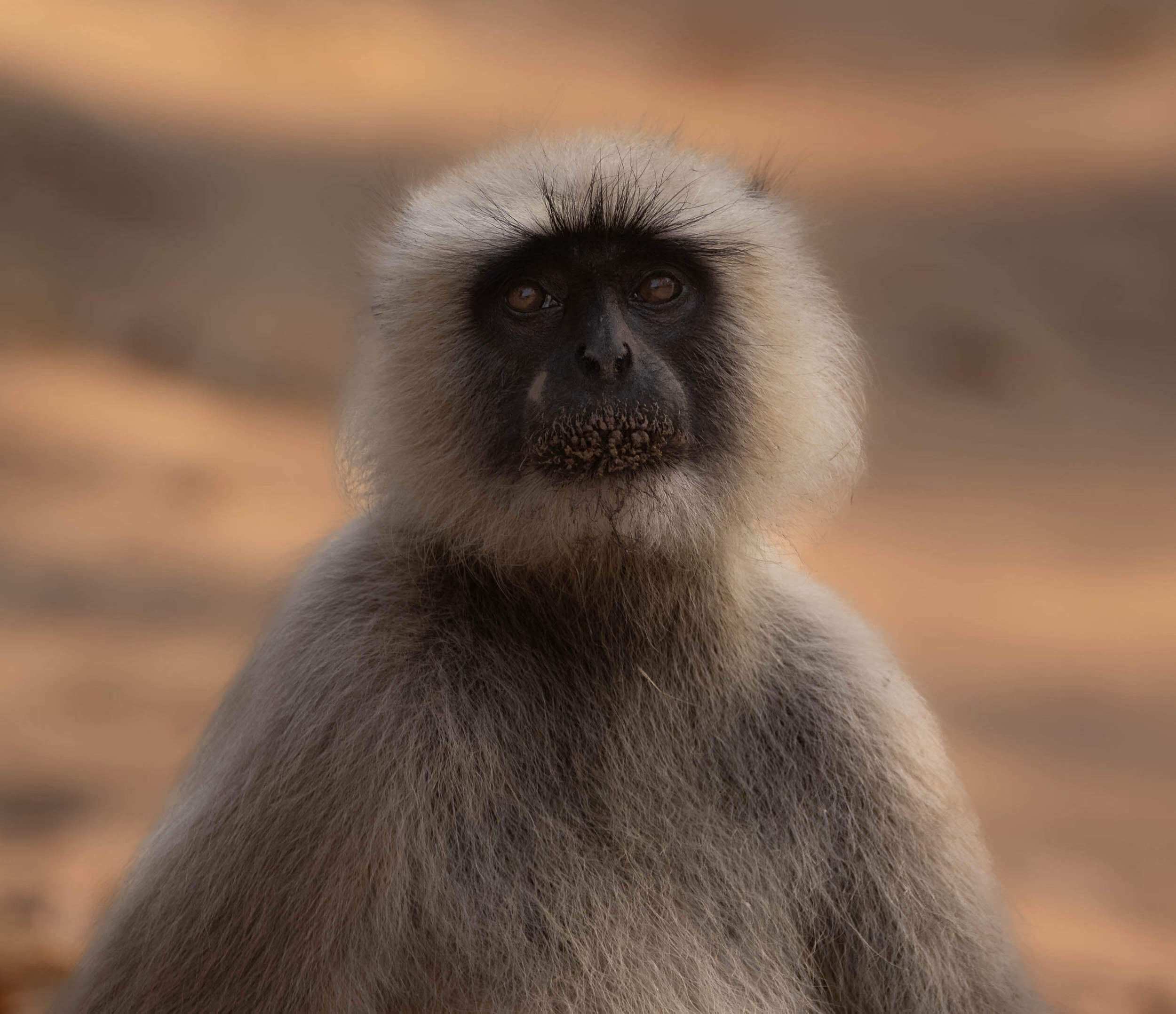
A chital barks somewhere to the left. Then a langur. The driver cuts the engine, and every person in the vehicle turns to face the same wall of grass without being told to.
Nothing happens for a long time. Then the grass moves in a way that grass does not move, and something the size of a small horse steps onto the track ahead of you and does not look up — because your presence changes nothing.
That is what nobody prepares you for. Not the size.
The indifference. A tiger here has never had reason to fear a vehicle, and it moves through its forest with the confidence of an animal that has no equal in it. You will have forty seconds. Perhaps four minutes. Everything we do — the row to yourself, the early gate, the ground booked months ahead — exists to give you more of them, and to make sure you are ready when they come.
— Your host photographer, Solara Safaris
Every Solara journey begins with a conversation
We don't take bookings through a checkout. Before any reservation is made, we have a short call to make sure this expedition is right for you. No obligation. Just an honest conversation.
Connect with our safari specialists
Submit the form below and we'll get back to you in 24 hours.
Questions
Everything you need to know before booking this expedition.
No. Nothing in the wild is guaranteed. But Bandhavgarh has the highest tiger density on earth, and March is the driest month, when the cats are moving to water in the open. Over fourteen drives, the odds are strongly in your favour.
Closer than most people expect. The animals are habituated to vehicles and move without concern. Much of your work will happen at 400mm and below. This is not distance photography — it is a matter of being ready when the tiger steps onto the track.
No prior wildlife photography experience is required. What matters is patience, comfort with early starts, and a willingness to sit still for a long time. Sandeep works with beginners and professionals in the same vehicle.
A telephoto lens in the 100–400mm or 200–600mm range covers most situations — the cats are often closer than people expect, and a fixed 600mm can be too long. A second body saves you the lens change you will not have time to make. Bring more cards and batteries than you think you need; there is no charging in the field. Beanbags are provided; a monopod earns its place where a tripod does not. Dust is the real enemy, so bring a blower and change lenses as little as possible.
Warm and dry. Mornings are cool enough for a fleece, but afternoons can reach the low thirties. The light is hard by mid-morning and the forest is dusty. Bring layers.
Minimum 5, maximum 6 paying travellers, plus Sandeep and the forest ranger. Once the group is full, the departure closes. Every photographer has a row to themselves.
Domestic flights within India have lower baggage allowances than international routes, which matters if you travel with two bodies and a long lens. Extra baggage can be purchased in advance. We book the domestic flights for you and send the current limits, so you know what to carry into the cabin before you fly
Yes — comprehensive travel insurance including medical evacuation cover is mandatory. We strongly recommend policies that also cover expensive camera equipment.
Yes. The Snow Leopard Expedition begins on 13 March in Leh, the day after this one ends in Jaipur. Three of the world’s great cats in one journey through India.
Every Solara booking begins with a conversation — not a checkout. Submit the request form or email info@solarasafaris.com, and we will be in touch within 24 hours to talk it through.
India through the lens
The forest, the cats, and the light — March in Bandhavgarh and Jhalana





Other Expeditions
Quickly view our other expeditions below or click view all.
Looking for a tailored expeditions? We've got you covered.