Uganda. From the Nile to the edge of the world.
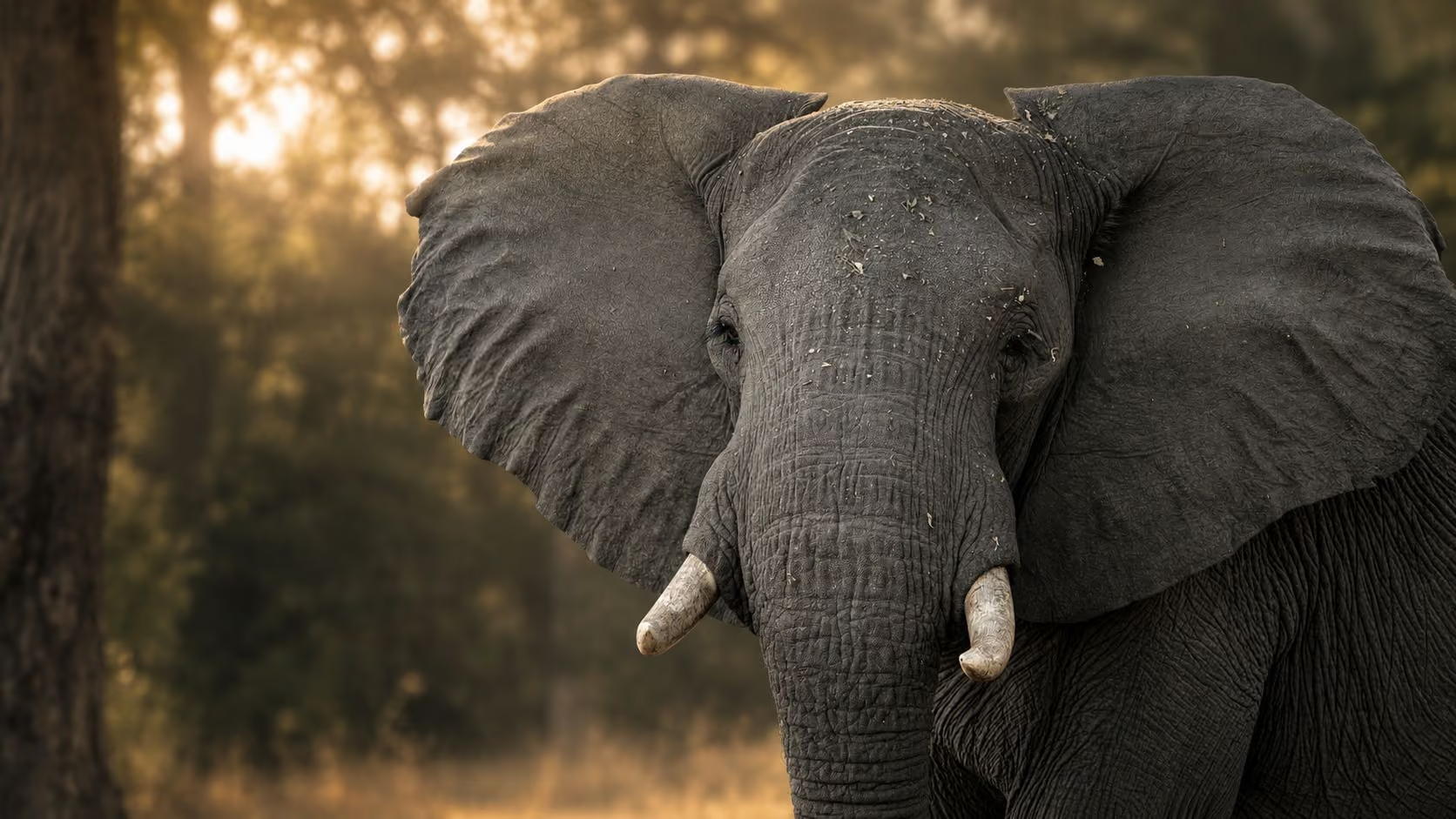
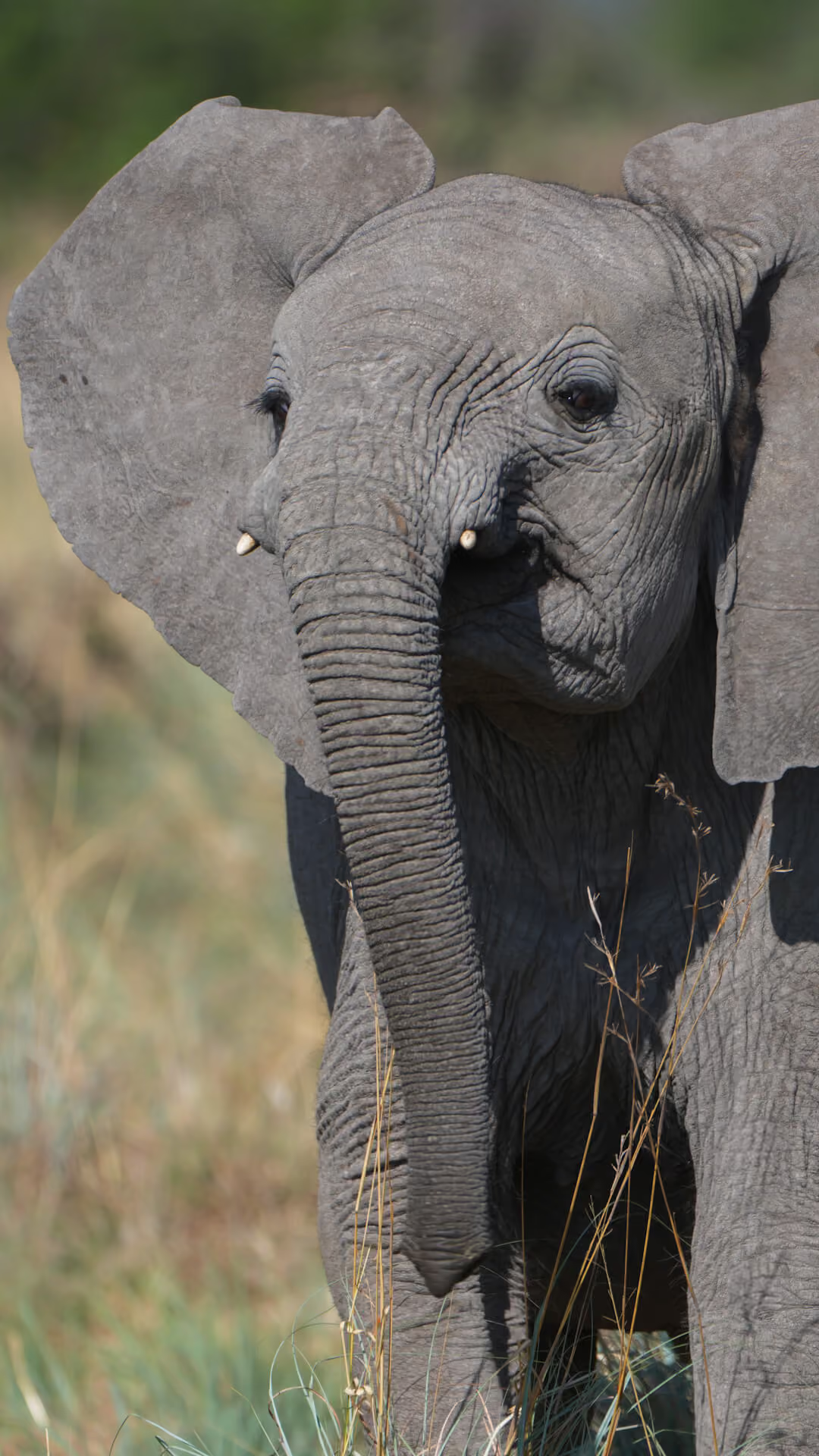
There are parks in East Africa that almost nobody drives to. Kidepo is one, and we spend three nights inside it.
The empty north. The forested south.
Most Uganda itineraries choose between savannah and forest. This one takes the long road through both: from Ziwa's rhinos to the far north at Kidepo, down the Nile at Murchison, then south to the chimpanzees of Kibale and the mountain gorillas of Bwindi. The drives are long, and they are part of it: Uganda happens between the parks as much as inside them.
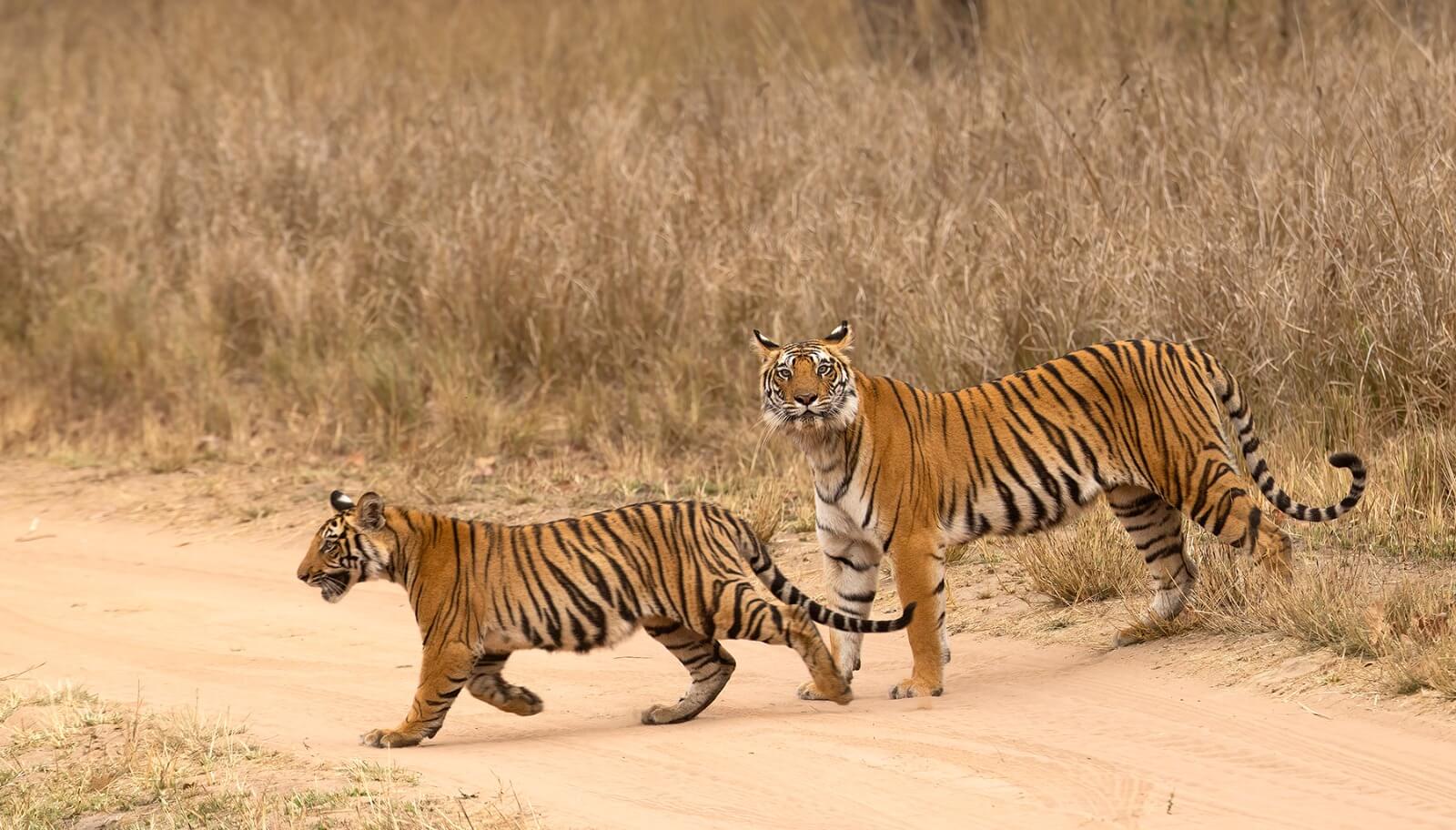
It matters most in Kidepo. The park sits in the far northeast, near the South Sudan border, and is among the least visited in East Africa. Three mornings there means three chances at the same valley, and on most of them there is nobody else in the frame and nobody arriving.
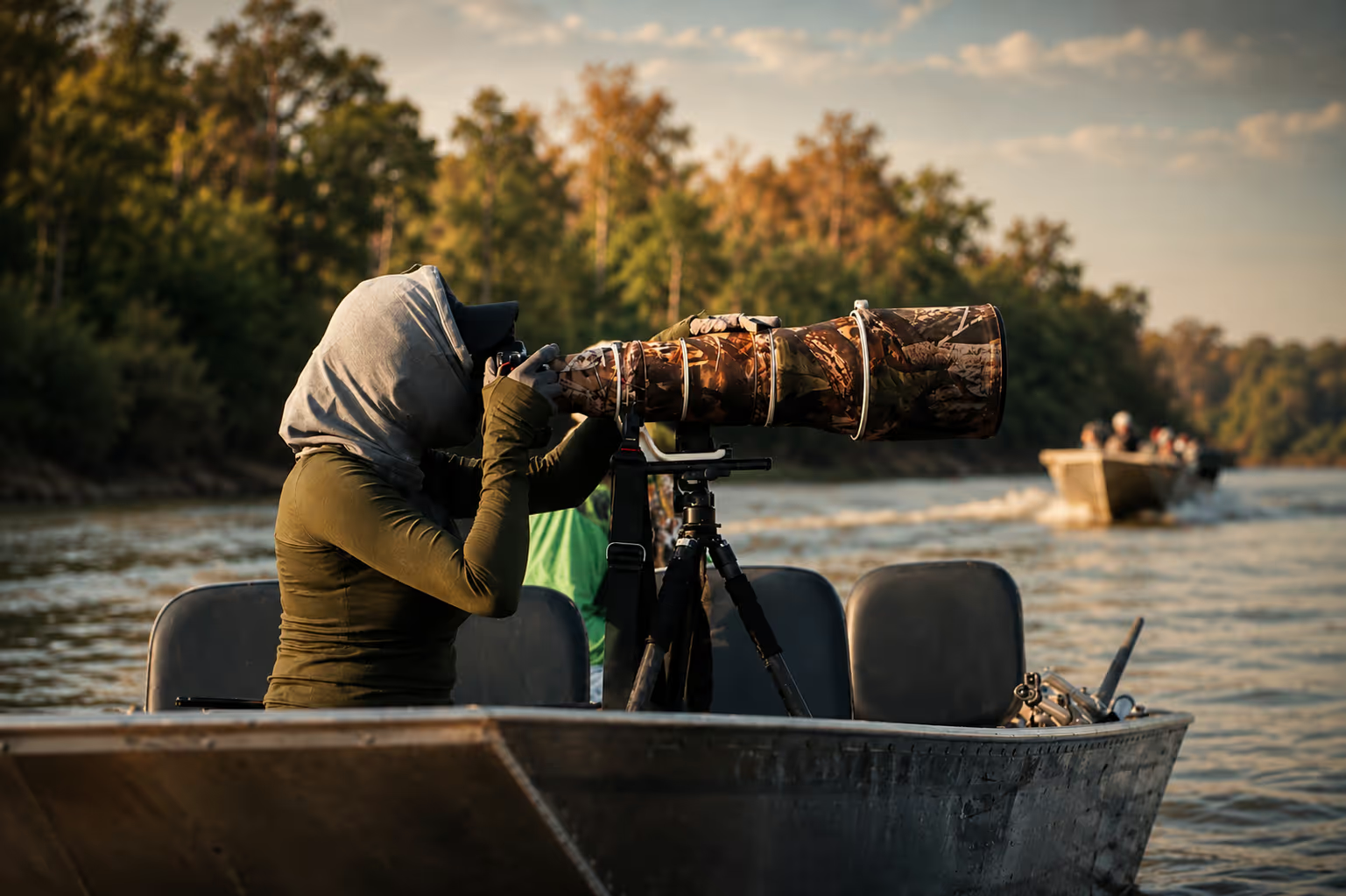
At Murchison a private boat takes us down the Nile to the Delta, where the river spreads into papyrus and shoebill country. At Ziwa you leave the vehicle altogether and track white rhino on foot. In the south the forest takes over: a morning with the chimpanzees in Kibale, and an hour with a gorilla family in Bwindi. What the plains and the forest give you on any given morning is not ours to promise.
The Solara Conservation Foundation (in formation) is an independent initiative dedicated to wildlife protection and community-based conservation in the regions where we travel.


A river, a valley, and a walk on foot.
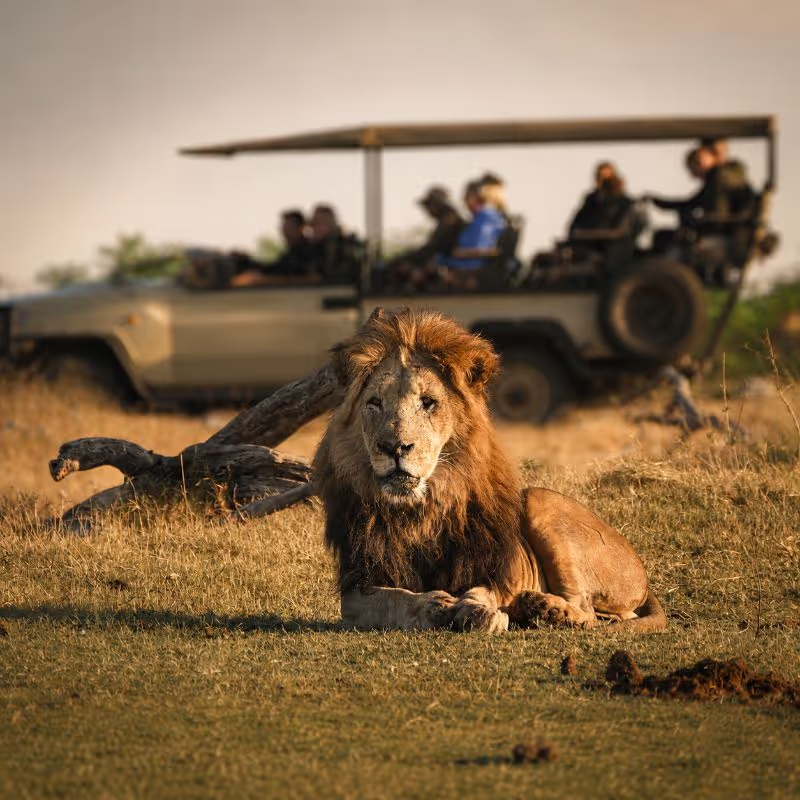
Every environment demands something different. We prepare you for all of them.
01
On foot, three times
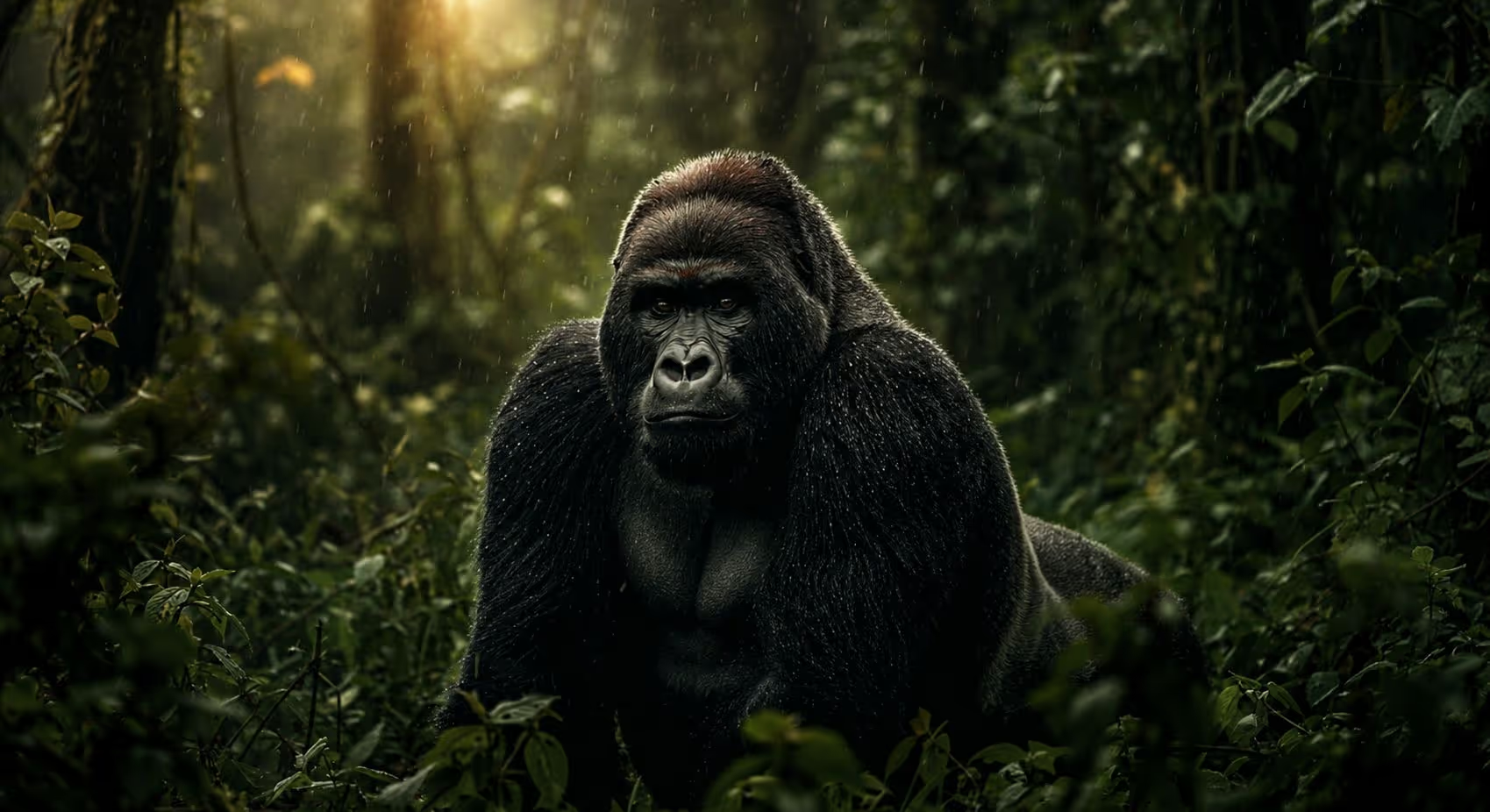
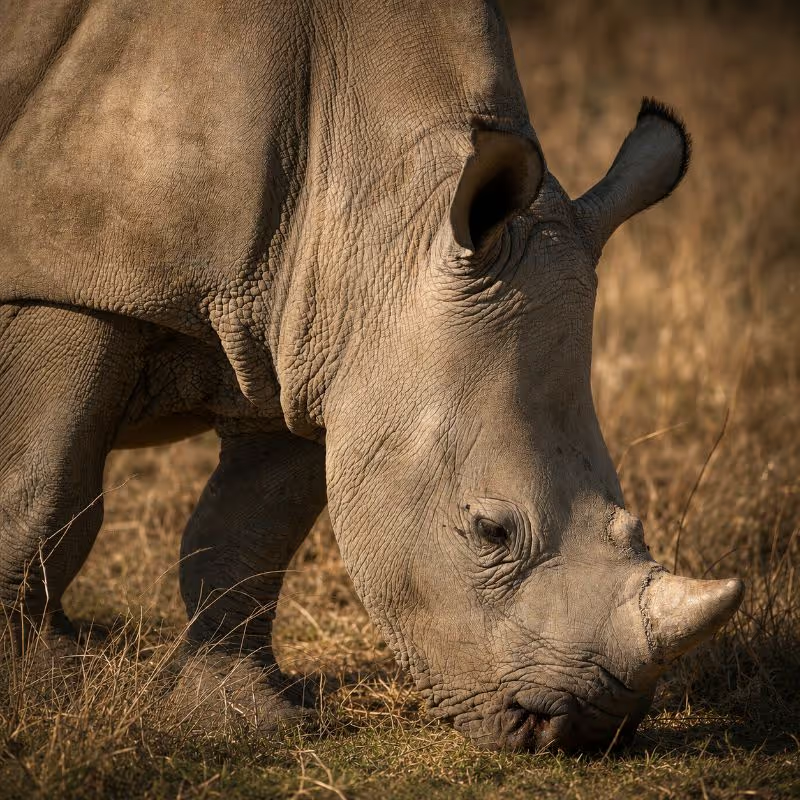
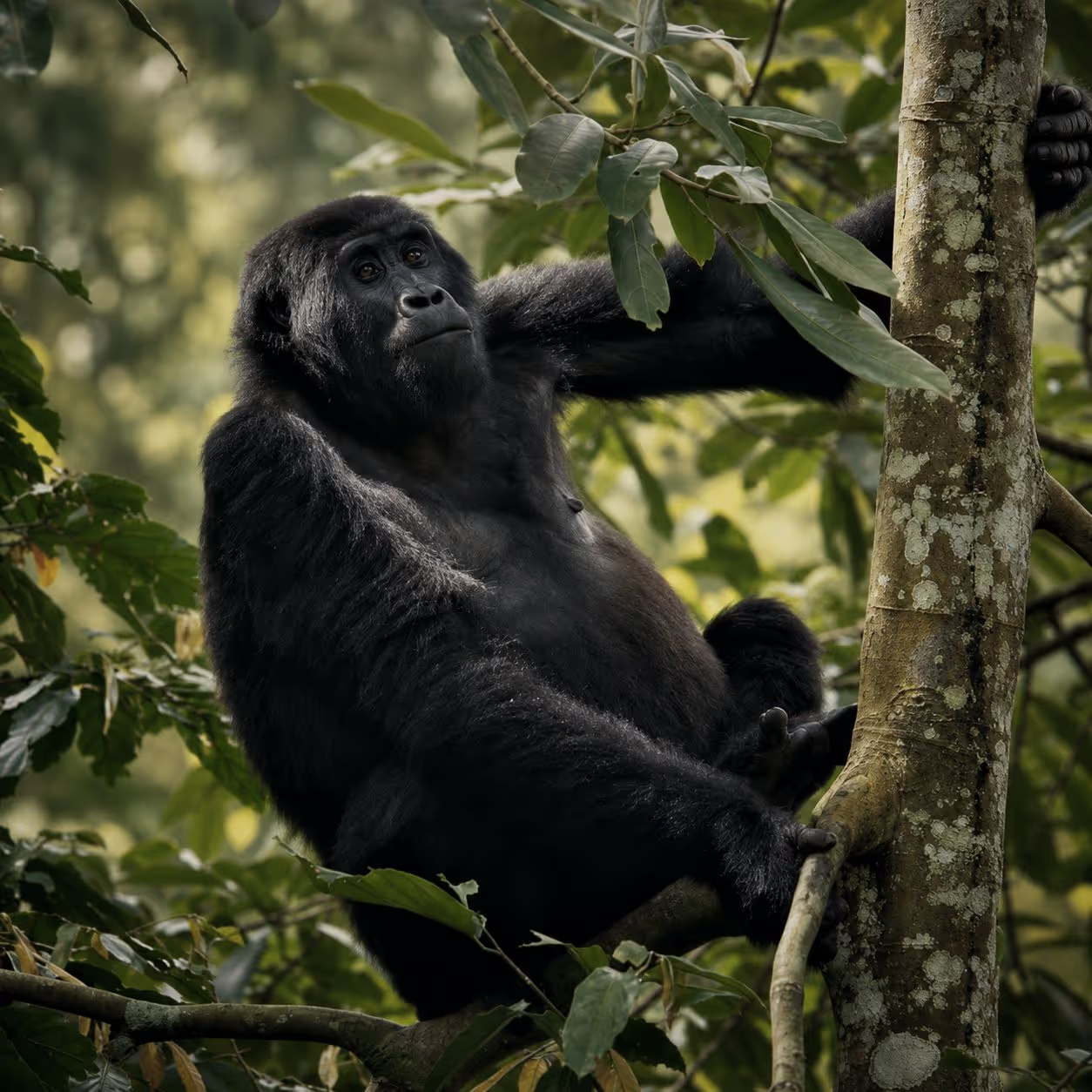
White rhino at Ziwa, chimpanzees in Kibale, gorillas in Bwindi: three times there is no vehicle, no engine, no metal between you and the animal. The ranger sets the pace and the distance, and the animal's welfare decides both.
02
Photography, not a workshop
There is no curriculum and no classroom. The host photographer is in the field beside you: where to sit, when to wait, what the light is about to do. On some evenings, an optional look at the day's images for anyone who wants one.
03
The road north
Ziwa to Kidepo is a full day on the road, and the best part of the expedition to look out of a window. Scrubland gives way to plains, rocky hills rise on the horizon, and the country empties out. We stop when it is worth stopping.
04
From plains to forest
The first week is open country and long lenses. Then come the forests of Kibale and Bwindi, where the light drops and the animals come close. We plan the change: what to carry into the trees, and what to leave in the vehicle.
Day by day.
The pace is always led by wildlife, light, and landscape — not by a fixed schedule.





Everything you need. Nothing you don’t.
Included
- All accommodation (12 nights)
- All meals, dinner on arrival through Day 13 departure
- A window seat for every photographer
- Gorilla trekking permit in Bwindi and chimpanzee trekking permit in Kibale
- A host photographer in the field, and optional image review on some evenings
- Airport and lodge transfers
- Two nights at Murchison Falls, inside the national park
- Three nights in Kidepo Valley
- The top of the falls at Murchison
- All game drives, morning and afternoon
- Private boats, Nile Delta and Kazinga
- Park fees and conservation levies
- Rhino tracking on foot at Ziwa, with a ranger
Not Included
- International flights to and from Kampala/Entebbe
- Optional lion tracking, Queen Elizabeth
- Optional shoebill morning at Mabamba, with an extra night in Entebbe
- Porters on all treks, optional and paid locally
- Travel insurance (required — see FAQ)
- Uganda visa fees
- Alcoholic beverages
- Personal expenses and gratuities
- Booking fee (€35) and GGTO/AVR levy (€9)
Pricing & Availability
This expedition is from 15-27 June 2027.
Minimum 4 travellers · Maximum 6. Once the group is full, the departure is closed.
Solara Conservation Foundation
The Solara Conservation Foundation (in formation) is an independent non-profit initiative dedicated to wildlife protection, habitat preservation, and community-based conservation in the regions where wildlife photography takes place.Kidepo Valley and the Karamoja region of northern Uganda are among the least visited and least protected wilderness areas in East Africa.
The Solara Conservation Foundation is currently in formation and will be applying for ANBI status in the Netherlands.
Kidepo will always stay with me.
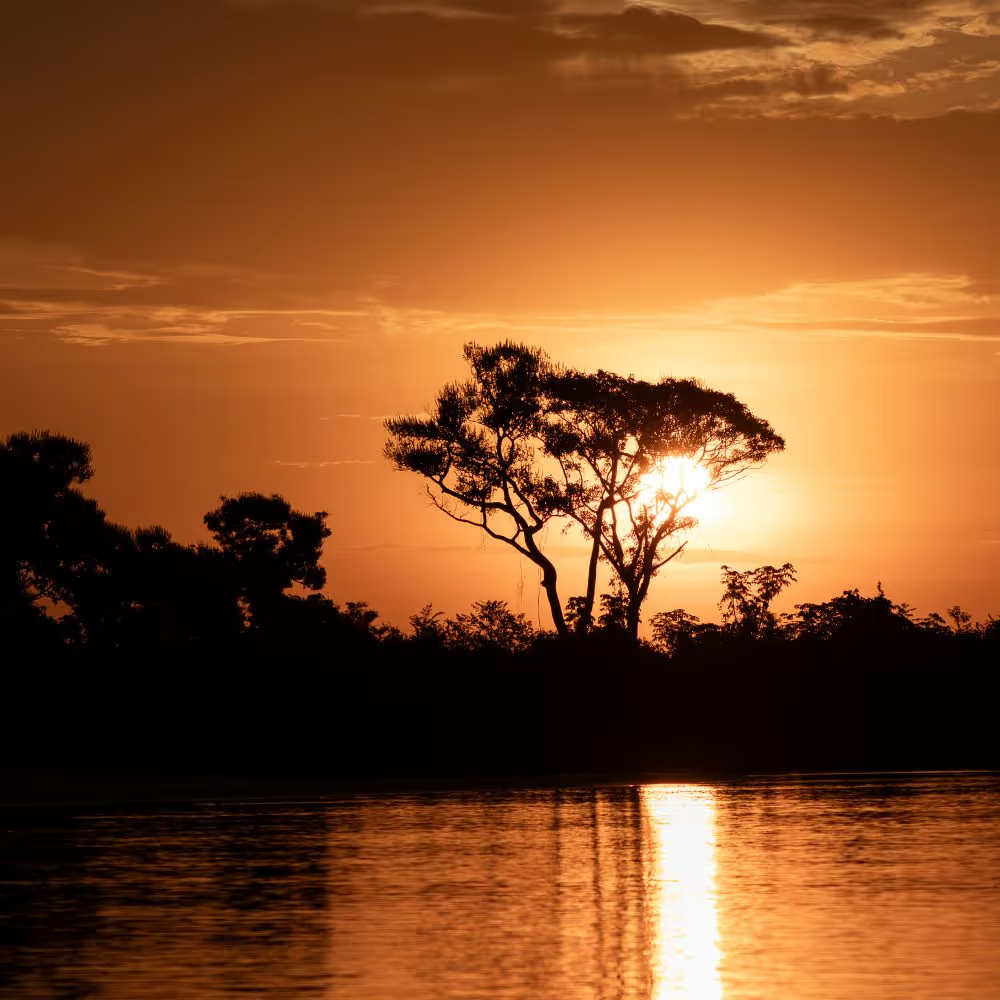
I have driven into a lot of national parks. The approach to most of them is a gate, a barrier, a fee — and then the park begins. The drive into Kidepo is different. The landscape changes gradually. The plains appear. The rocky outcrops of the Didinga Hills rise on the horizon. And then, suddenly, you are inside something that feels like it has been here forever.There were almost no other vehicles. There were lions on rocks. There was light on the grass that I have never seen anywhere else — low, warm, and so clear that every blade was individual. I stopped the vehicle and we sat there for a long time, saying nothing.That is what I want to give you on this expedition. Not a checklist. Not a highlight reel. Just the experience of being in a place that is genuinely, completely wild — and the photographs that come when you stop trying to make them happen.
— Your host photographer, Solara Safaris
Every Solara journey begins with a conversation
We don't take bookings through a checkout. Before any reservation is made, we have a short call to make sure this expedition is right for you. No obligation. Just an honest conversation.
Connect with our safari specialists
Submit the form below and we'll get back to you in 48 hours.
Questions
Everything you need to know before booking your next adventure.
More than it looks. The gorilla trek in Bwindi can take two hours or six, often steep, and the chimpanzee trek in Kibale a few hours more. Rhino tracking at Ziwa and the morning walk at Lake Mburo are easy. What also demands something is the rhythm: early starts, long hours on rough roads, and two full days on the road, to and from Kidepo. Reasonable fitness matters.
The costs that make this expedition work, the private boats, the permits and the host photographer in the field, are the same whether four people travel or six. Below four they no longer divide sensibly, and we would have to raise the price or cut something that matters. From five guests we add a second vehicle, so everyone keeps a window seat and nobody shoots over a shoulder.
Kidepo is semi-arid and behaves more like northern Kenya than the rest of Uganda. Cheetah, ostrich, caracal, aardwolf and both greater and lesser kudu occur nowhere else in the country. In March 2026 white rhino were brought back, forty-three years after the last one was killed here. And it is among the least visited parks in East Africa: eight hours by road from Murchison, and most itineraries never come. On most mornings there is no other vehicle in the valley.
This expedition asks for two kinds of lens. Kidepo, Murchison and Queen Elizabeth are open country, where 200-600mm or 100-400mm does most of the work and the longest lens you own earns its weight. The forests of Kibale and Bwindi are dark and close: a fast 70-200mm f/2.8 is the lens, and high ISO matters more than reach. Bring a second body; changing lenses in dust is worth avoiding. A wide angle for the Kidepo landscape. Spare batteries, and rain protection: June is dry in the north, but not reliably.
Yes. Uganda Primates runs 2–13 June 2027 and this expedition follows on 15–27 June, with a rest day in Entebbe between them. Primates goes deeper into the forest, with a private gorilla family and a habituation day; this one goes further, to Kidepo and the Nile. Contact us to arrange the combination, including the night between.
Yes. Comprehensive travel insurance including emergency medical evacuation is required.
We begin every reservation with a short personal conversation. Use the form below and we will be in touch within 24 hours.
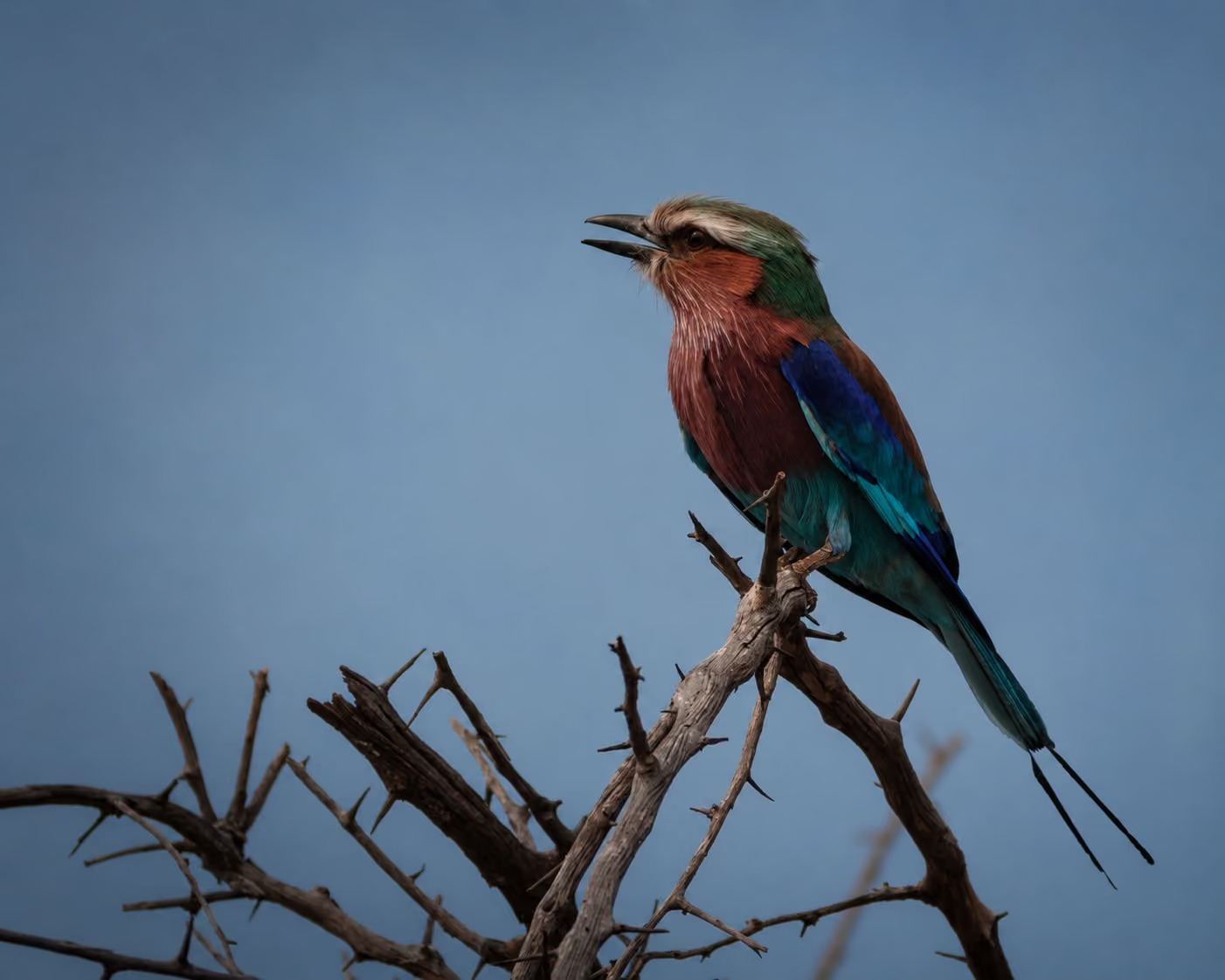
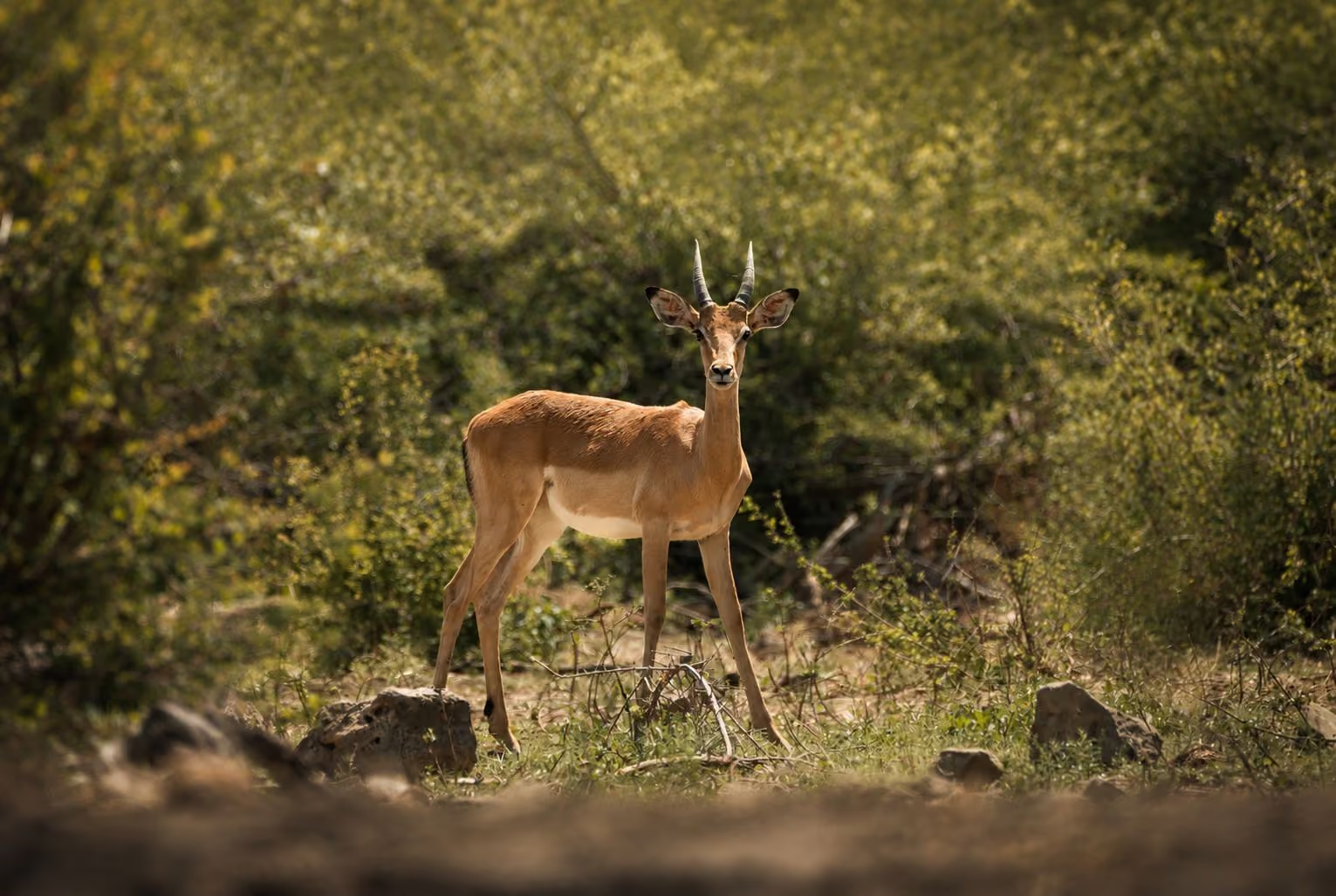
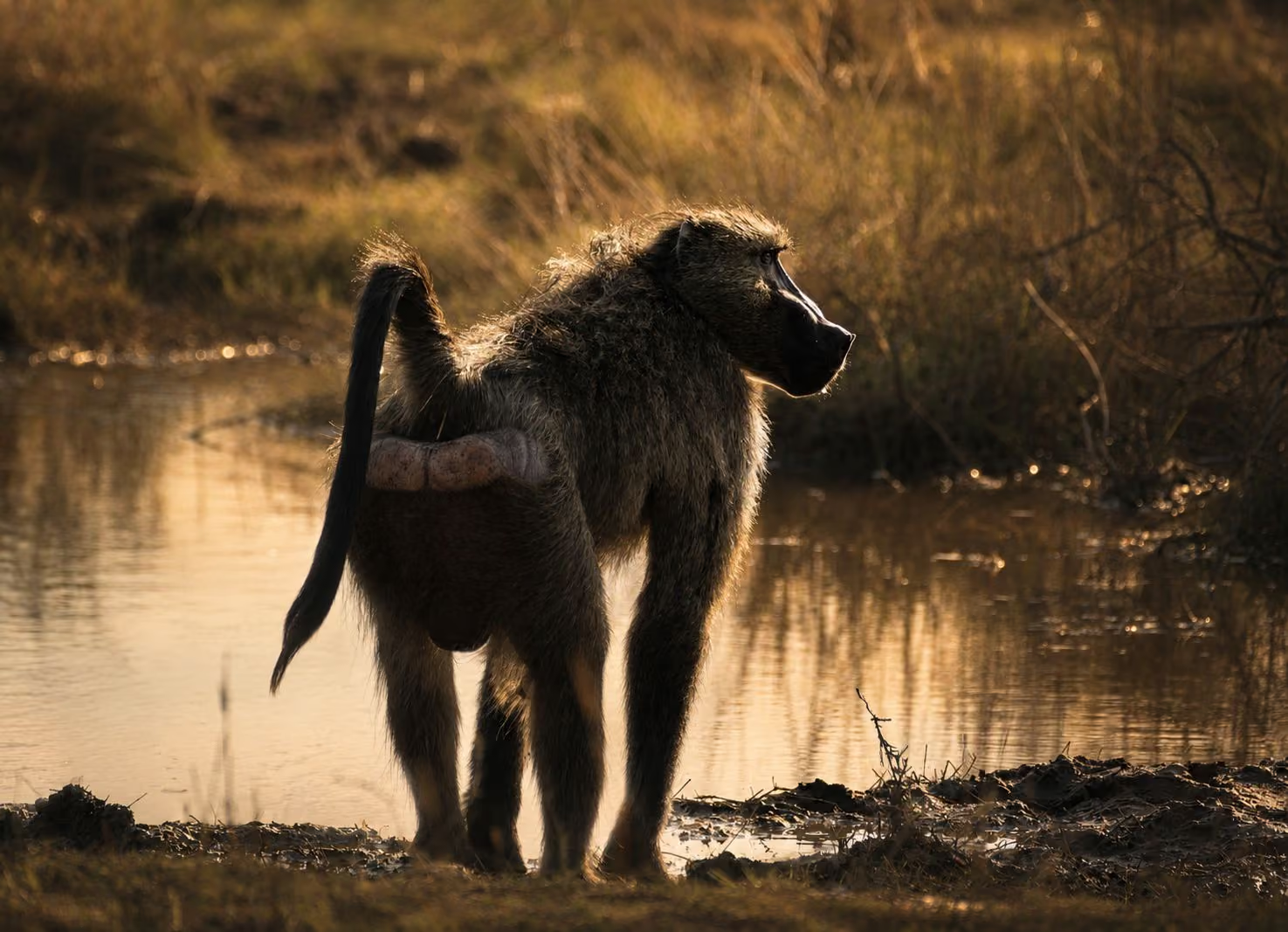
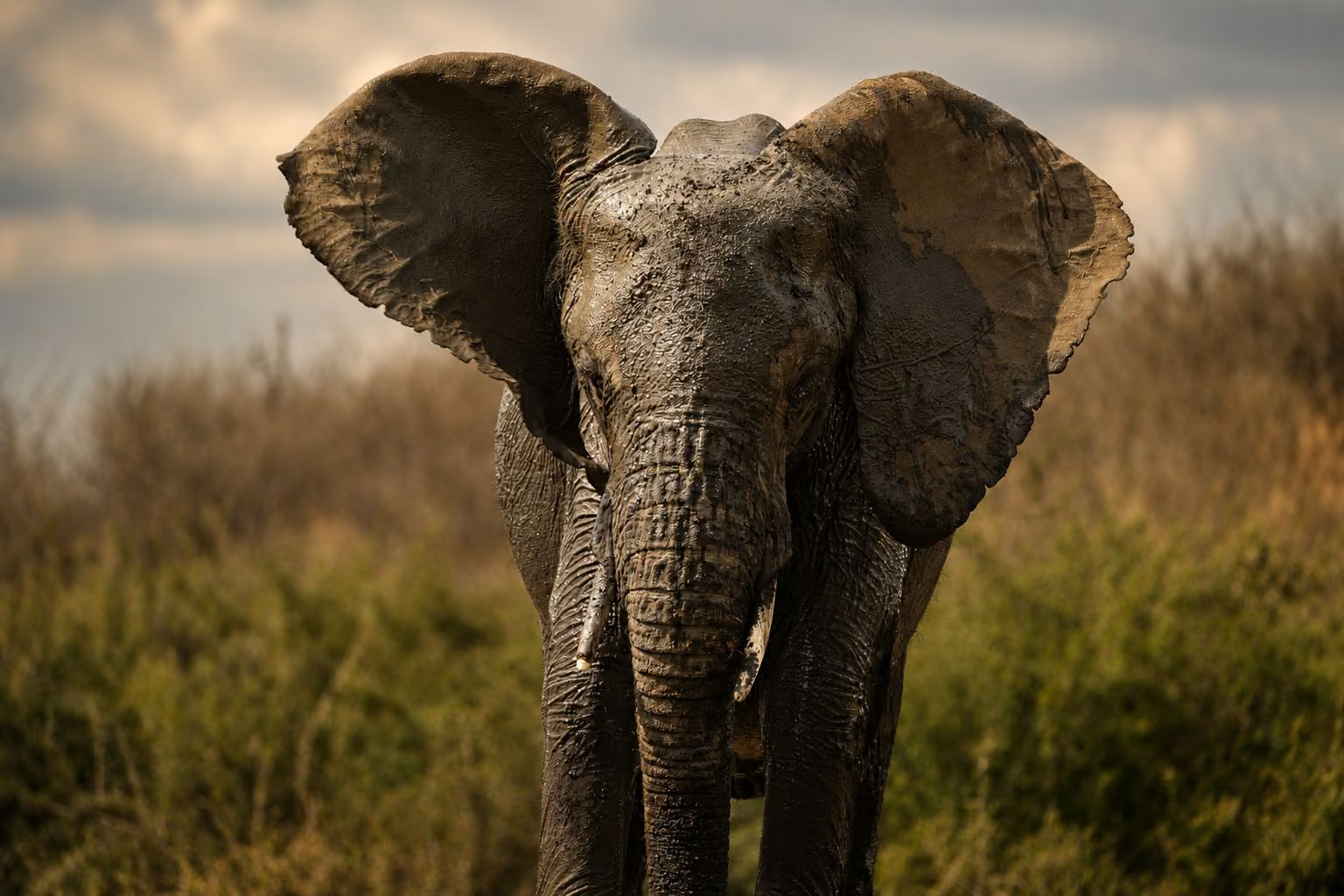
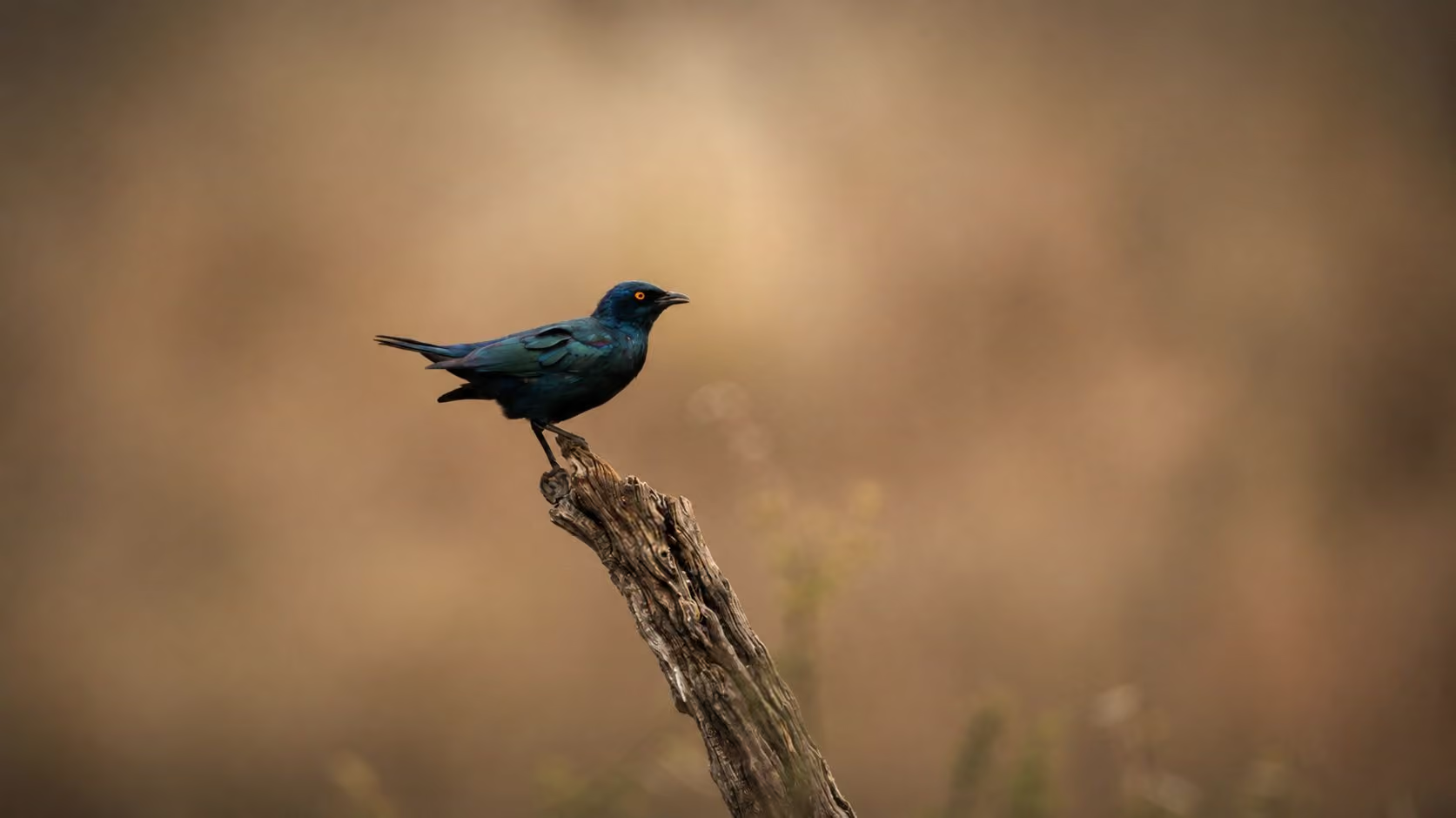
Uganda wildlife through the lens
Captured light and wild places from the field



Other Expeditions
Quickly view our other expeditions below or click view all.
Looking for a tailored expeditions? We've got you covered.