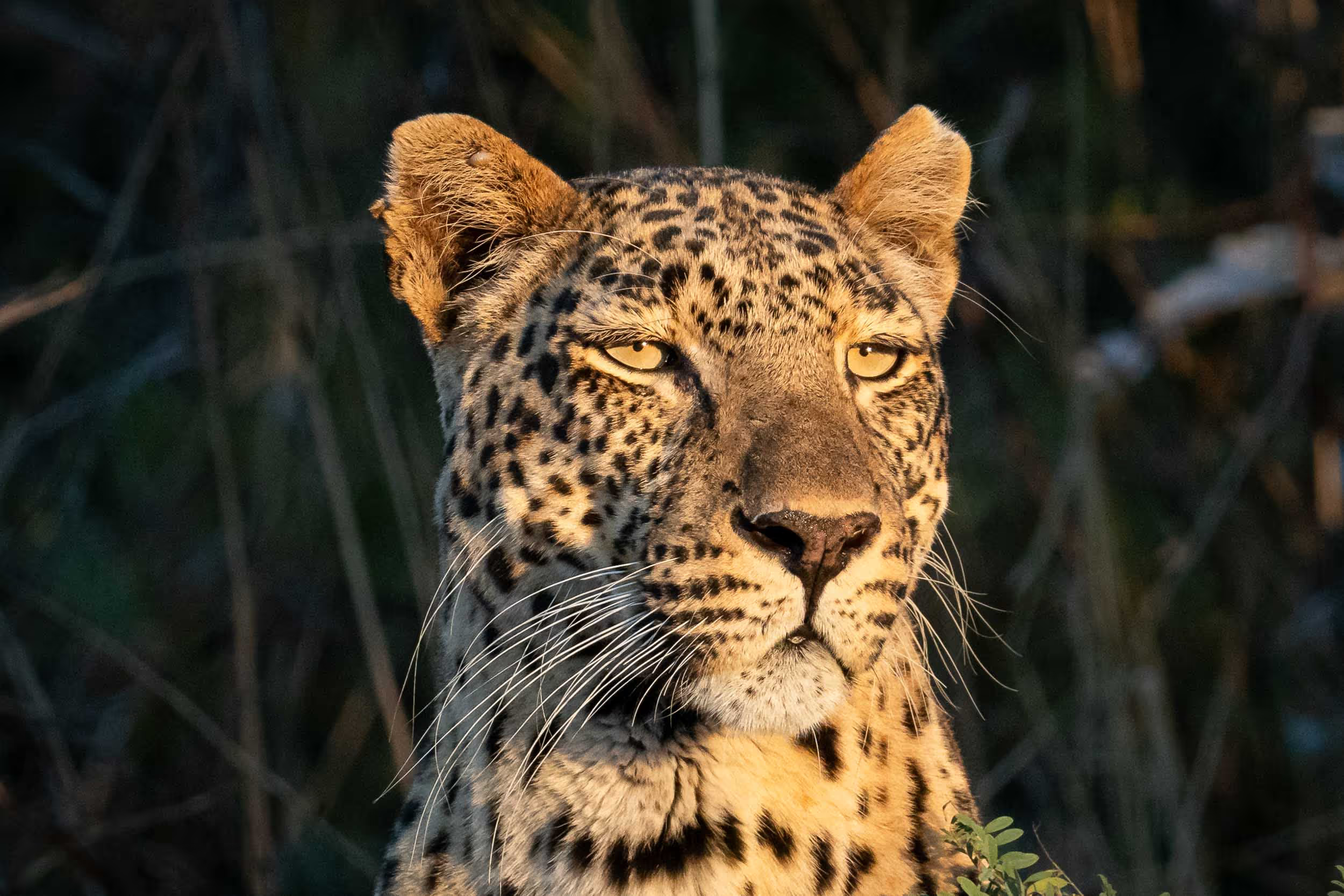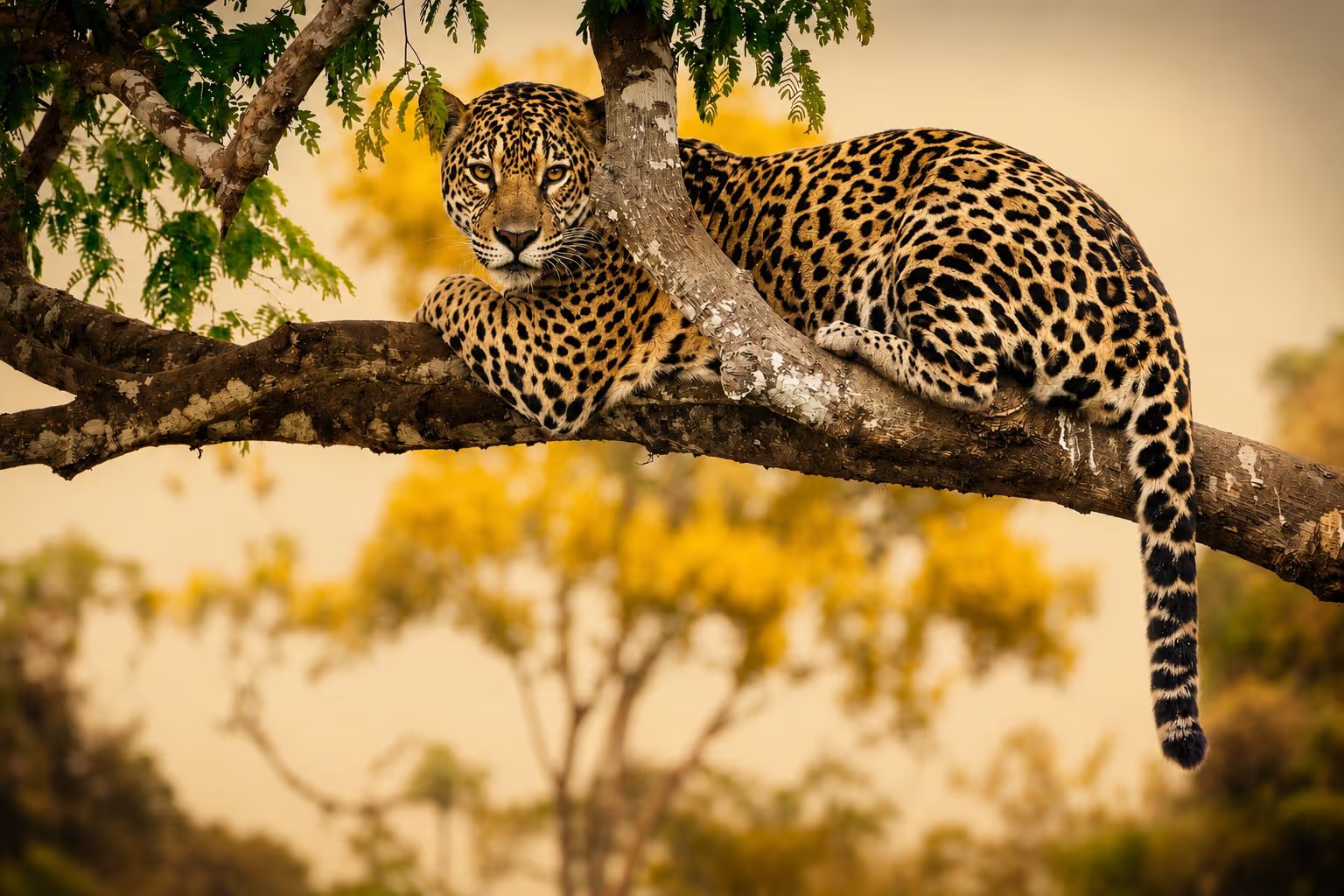
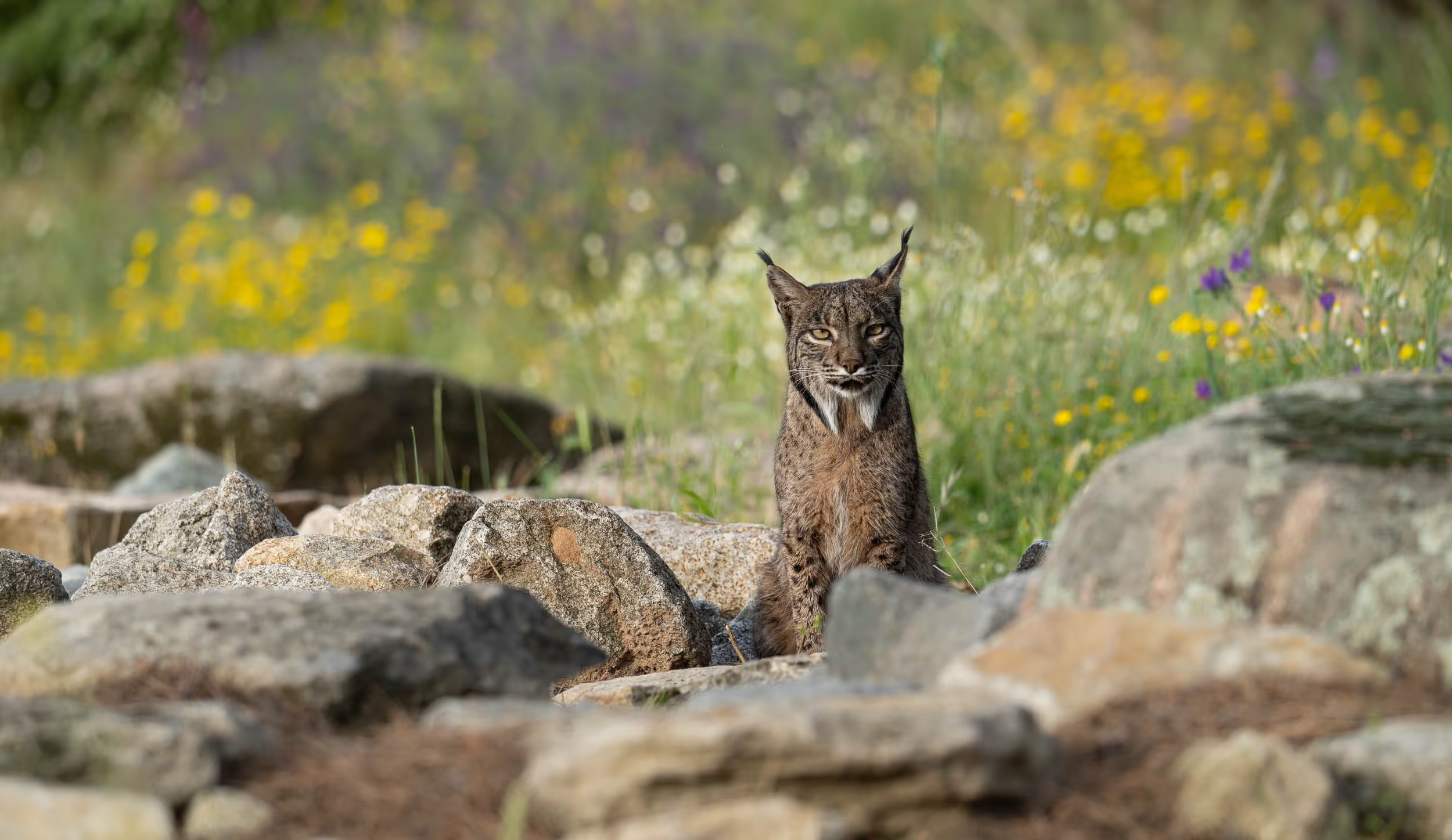
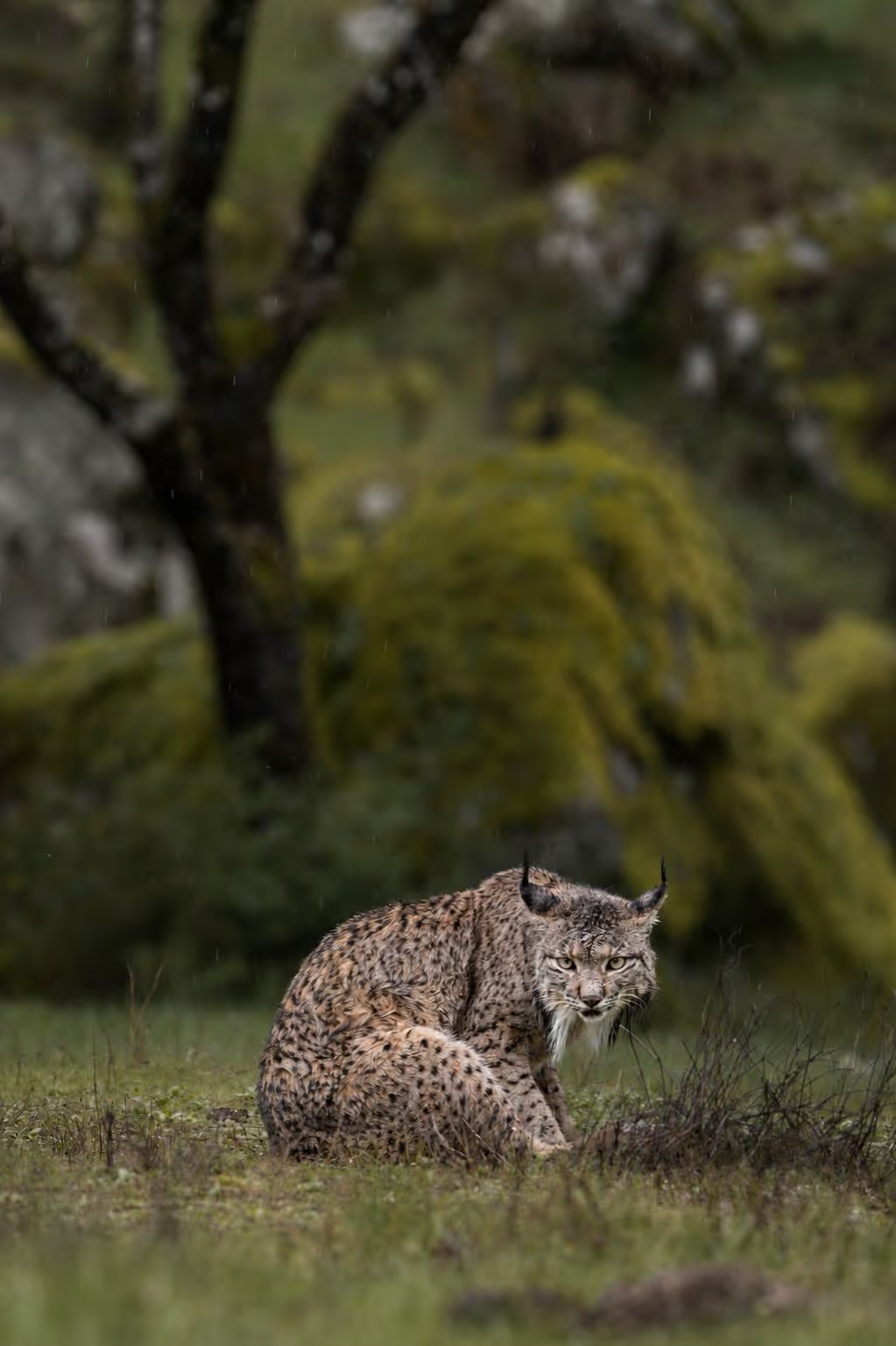
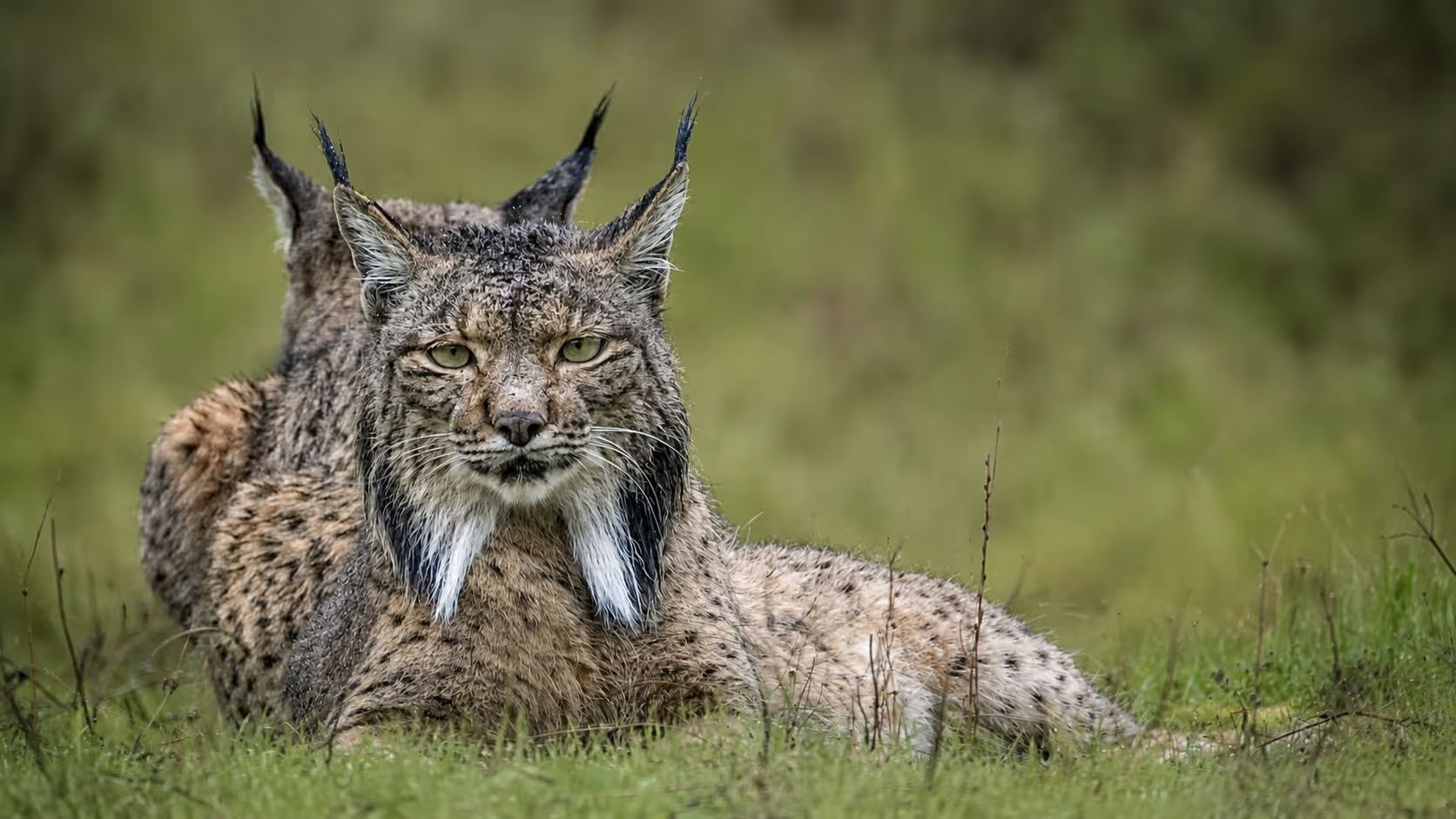
Spain. Wild Andalusia. The season when lynx roam freely.

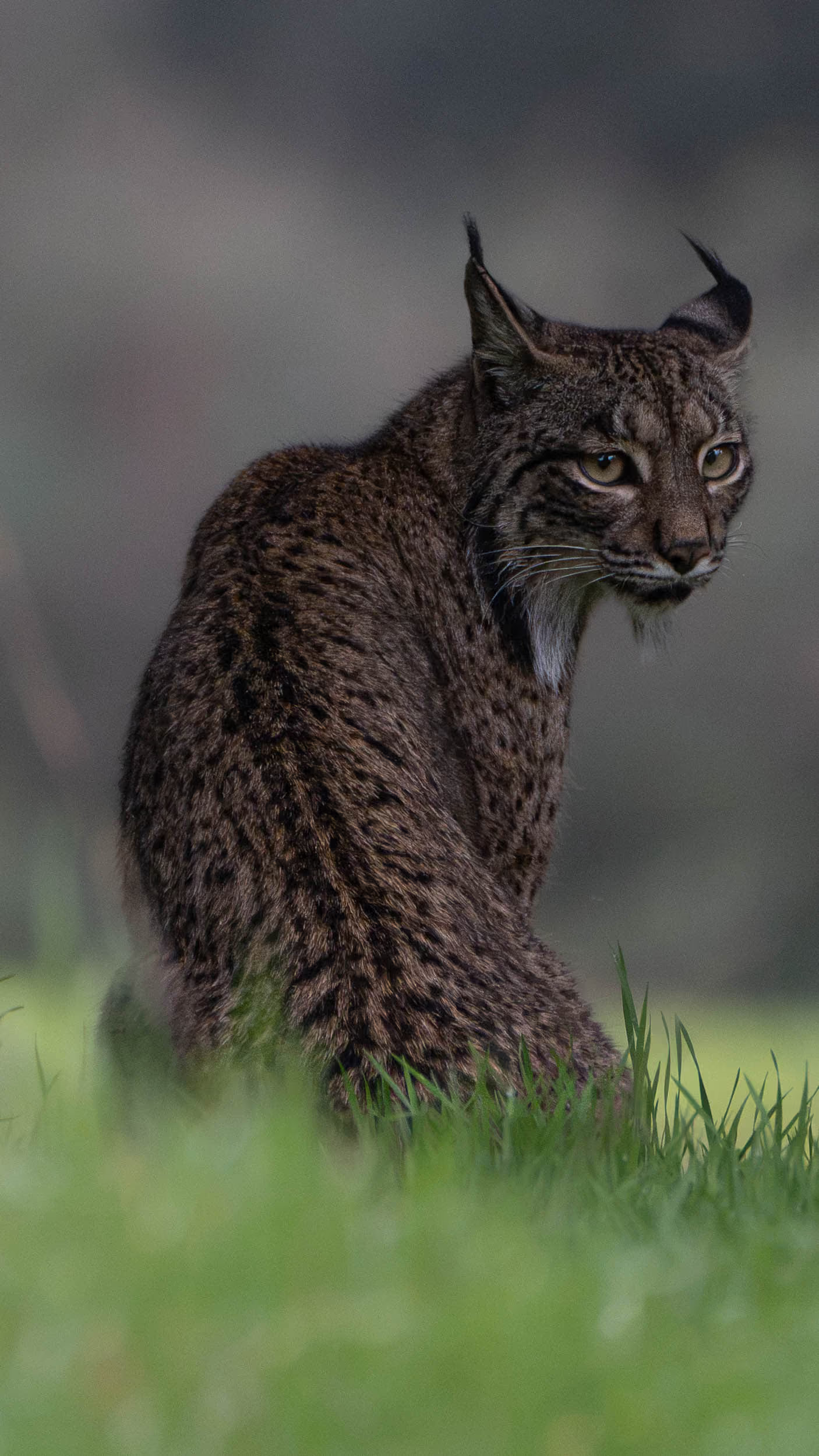
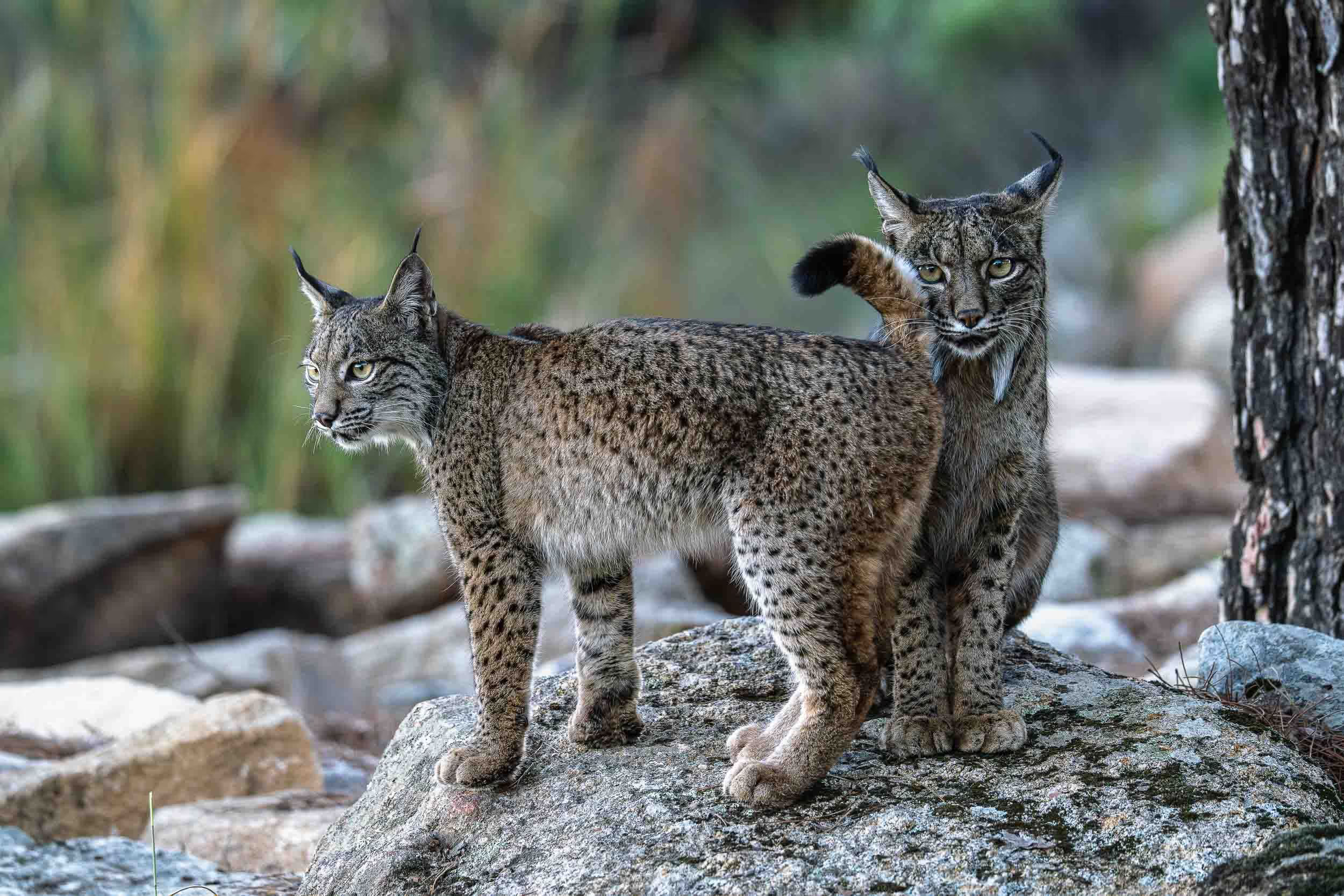
The Iberian lynx was almost gone.
Now it is back — and if you know where to look, and how to wait, it will find you.
The rarest wildcat on earth. Back from the edge of extinction.
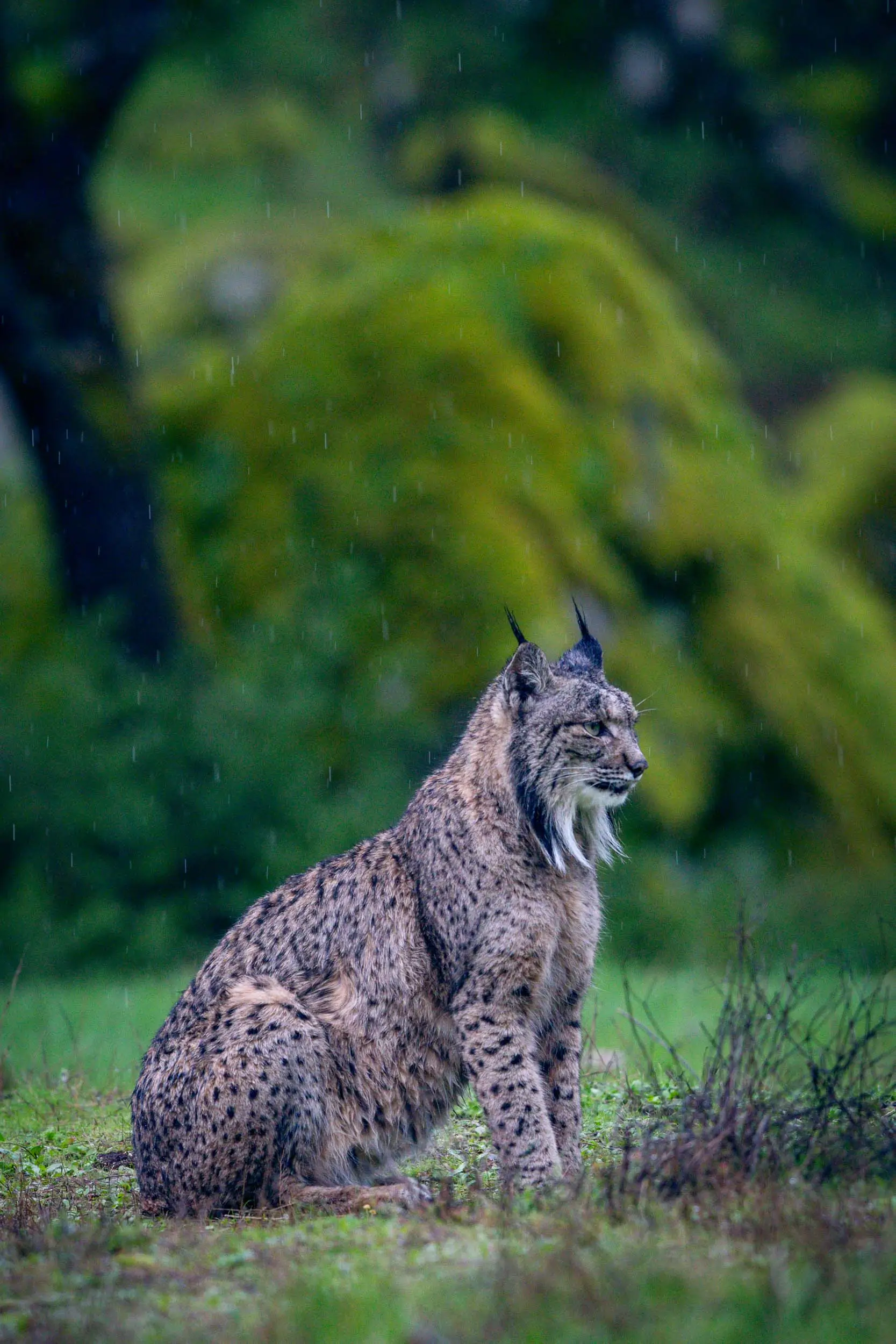
At the turn of the millennium, fewer than 100 Iberian lynx remained in the wild. Through decades of dedicated conservation work, that number has grown to over 2,500. The Sierra de Andújar in southern Spain is the heart of that recovery — and one of the few places on earth where you can photograph this extraordinary animal in its natural habitat.
This expedition combines two of Spain’s most remarkable wildlife photography experiences: raptor photography from private hides near Toledo, and the search for the Iberian lynx in the dehesa landscapes of Andújar. Seven days. Small group. Private hides. And a specialist workshop with one of the world’s leading lynx experts.
Spain surprises those who expect Africa. The light here is different — harder in summer, extraordinary in January. The landscapes are ancient, shaped by centuries of dehesa farming that accidentally created one of Europe’s richest wildlife habitats. And the wildlife, for those who know where to look, is exceptional. This is not a tour. It is an expedition built around patience, access, and the kind of encounter that stays with you.






Three experiences. Seven days.
One expedition.

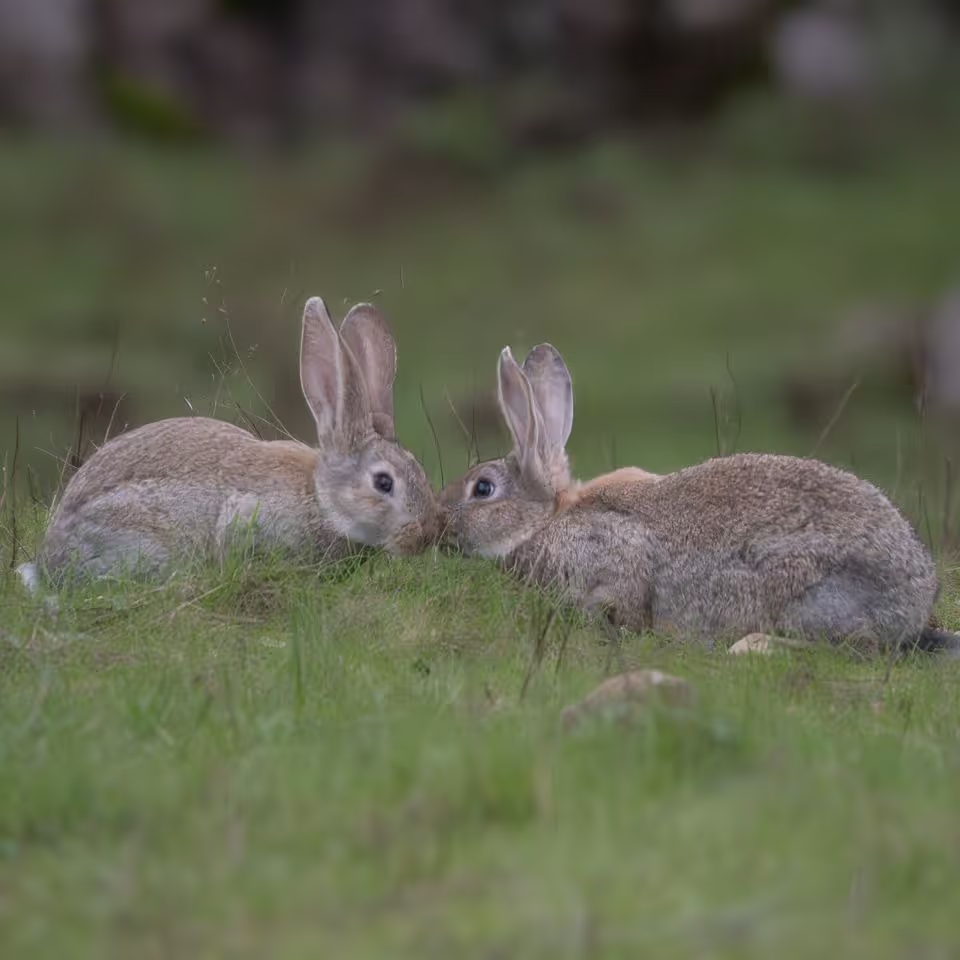

Private hides. Small group. No compromises.
01
The hides
The hides on this expedition have been chosen and built with one thing in mind: the photograph. Positioned for the best light at the right time of day, constructed to keep noise and movement to a minimum. The animals here are accustomed to the hides — they move naturally, come close, and behave as if nothing is watching. That proximity, combined with the quality of the light and the silence of the surroundings, is what makes the difference between a good image and an extraordinary one.
02
Raptor photography
Photographing raptors is a different discipline. The bird moves before you have decided to press the shutter. Speed matters — but so does anticipation. From the hides you learn to read the light and the wind, to position yourself before the moment arrives. Your guide knows where the birds hunt, where they perch, and where the morning light falls first. The hides put you close enough that technique becomes the only variable. That is where the real learning happens.
The workshop
Tirso Pérez is a wildlife photographer, author, and one of Spain’s leading specialists on the Iberian lynx. He works on the finca in the Sierra de Andújar where the lynx live — giving him an intimacy with the animals and the landscape that few photographers in the world can match. His book on the Iberian lynx is considered one of the definitive photographic references on the species.
During the expedition, Tirso hosts a workshop that covers three things:
- How to photograph the Iberian lynx in the field
- The history and workings of his finca
- Years of hands-on experience with lynx conservation in Andújar
It is not a classroom session. It happens on location, at the pace of the landscape.

Day by day.
The pace is always led by wildlife, light, and landscape — not by a fixed schedule.




Everything you need. Nothing you don’t.
Included
- All accommodation (6 nights)
- Breakfast from Day 2, lunch on Days 2 to 6, and dinner on Days 1 to 5
- Private transfer Madrid airport → Toledo region (Day 1)
- All ground transport throughout the expedition
- 2 private hide sessions near Toledo — morning and afternoon (Day 2)
- In-field photography guidance throughout
- Host photographer Nasha Desbarida — full expedition Sonja Vliegenthart travels with the group as second host photographer in training
- Two optional evening image reviews, on the evenings the day allows it
- 2 full days in private lynx hides, Sierra de Andújar (Days 5 & 6)
- Hides and ground transport are exclusive to the Solara group — no shared access
- Positions in the hides rotate, so every photographer works from more than one angle
- Lunch on the estate, close to the hides — no long drive back in the middle of the day
- 2 full days on private estates (Days 3 & 4)
- Private workshop with Tirso Pérez, lynx specialist and author (Day 5)
Not Included
- International flights to and from Madrid
- Dinner on Day 6 (own expense) and lunch on Day 7
- Alcoholic drinks
- Travel insurance (required — see FAQ)
- Personal expenses and gratuities
- Booking fee (€35) and GGTO levy (€9)
Pricing & Availability
This expedition is from 25-31 January 2027.
Minimum 5 travellers · Maximum 6. Once the group is full, the departure is closed.
Solara Conservation Foundation
The Iberian lynx is one of the great conservation success stories of the 21st century. Fewer than 100 animals remained at the turn of the millennium. Today, over 2,500 lynx live in Spain and Portugal — the result of decades of habitat restoration, breeding programmes, and the work of researchers and rangers who dedicated their careers to a species most people had never heard of.
The Solara Conservation Foundation (in formation) is an independent non-profit initiative dedicated to wildlife protection, habitat preservation, and the communities living alongside the landscapes we travel to. The Sierra de Andújar — its ecosystems, its wildlife, and the people who protect it — is exactly the kind of place this work is for.
The Solara Conservation Foundation is currently in formation and will be applying for ANBI status in the Netherlands.
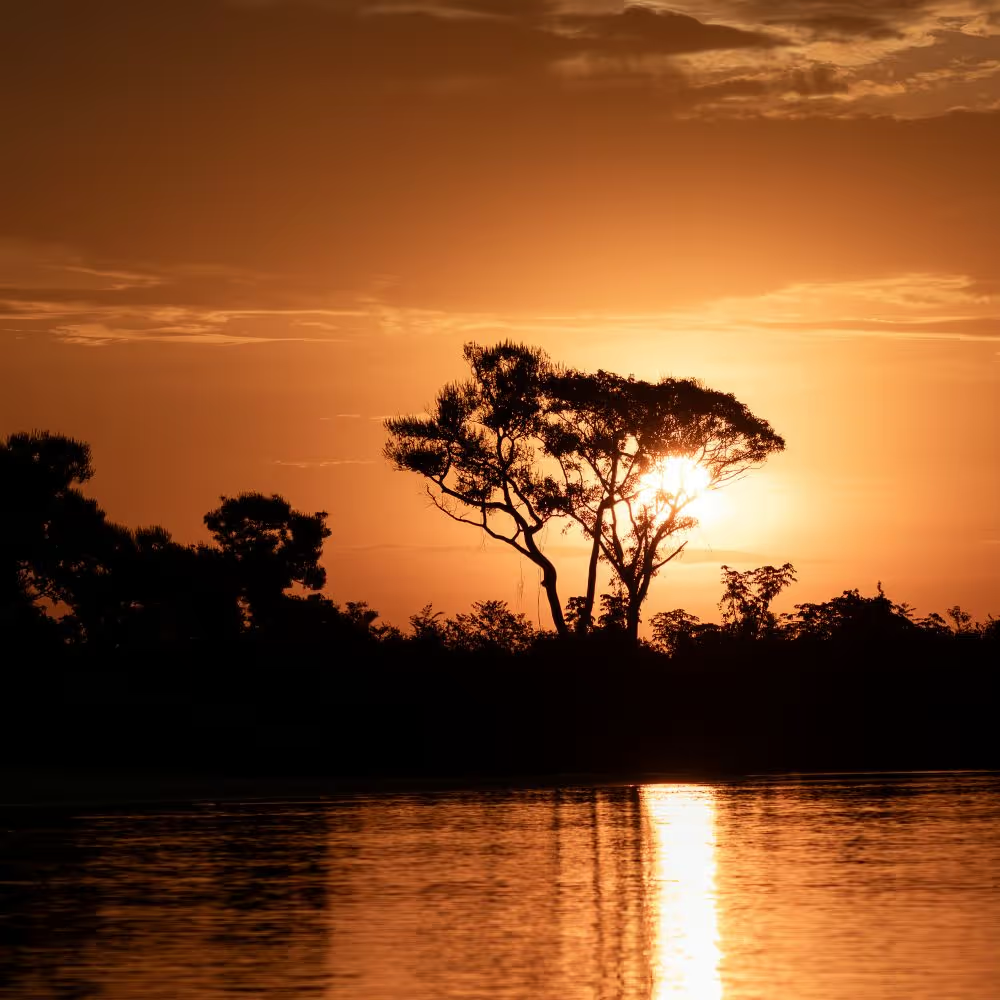
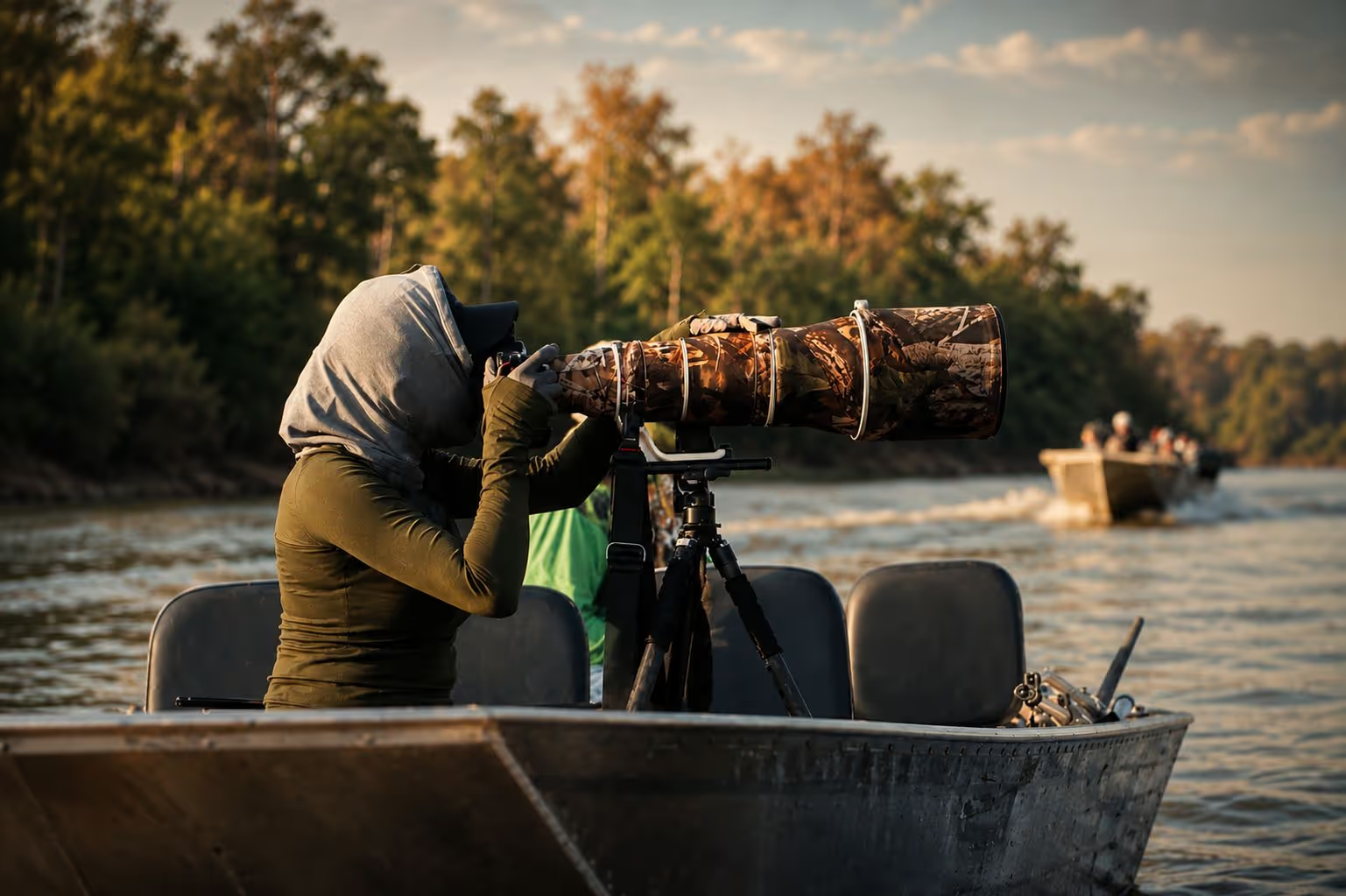
Spain taught me to wait differently.
I have photographed wildlife on several continents. I know what it feels like to wait for an animal that may or may not come — the particular stillness of a hide before dawn, the way your eyes adjust to the low light, the moment when everything in the landscape seems to pause.
The Iberian lynx requires a different kind of waiting. It is not a patient animal in the way a leopard is patient. It is fast, purposeful, and entirely indifferent to your presence. When it appears, it appears on its own terms. You have seconds, not minutes.
I designed this expedition for people who want to be ready for that moment. The private hides, the specialist workshop, the small group — everything is built around giving you the best possible conditions when the lynx decides to show itself.
Come with patience. And come in January, when the light is right and the Sierra is quiet.
— Your host photographer, Solara Safaris
Every Solara journey begins with a conversation
We don't take bookings through a checkout. Before any reservation is made, we have a short call to make sure this expedition is right for you. No obligation. Just an honest conversation.
Connect with our safari specialists
Submit the form below and we'll get back to you in 48 hours.
Questions
Everything you need to know before booking your next adventure.
No. Wildlife encounters cannot be guaranteed — and we would never suggest otherwise. What we can say is that the private hides in Sierra de Andújar are positioned in territory with consistent lynx sightings, that two full days gives you the best possible conditions, and that January is peak lynx season. The lynx are in heat in January and exceptionally active. On some occasions, they come close enough to photograph from outside the hide entirely — a moment that no amount of planning can guarantee, but that the right location makes possible.
January offers the best combination of lynx activity, low light, and quiet landscapes. The Sierra de Andújar is almost free of summer visitors in January. The light is warm and low from early morning — exactly what wildlife photography demands. And the lynx, in their winter territory, are more predictable than at other times of year.
A telephoto lens of 400mm or longer is strongly recommended for lynx photography from hides. A 500mm or 600mm gives the most versatility. For raptors in flight near Toledo, a 300-500mm with fast autofocus works well. We will share a full equipment guide after booking.
Yes. The Iberian lynx is one of the most extraordinary wildlife encounters in Europe, regardless of camera experience. The workshop with Tirso Pérez, the raptor hides, and the lynx tracking are rewarding for anyone who loves wildlife and values quiet, patient observation.
Minimum 5 travellers, maximum 6. The private hides and ground transport are exclusively for the Solara group — no shared access with other operators or photographers.
Yes. Comprehensive travel insurance — including emergency medical evacuation cover — is required for all Solara expeditions.
We begin every reservation with a short personal conversation to ensure the expedition is the right fit for you. There is no obligation at that stage. Use the form below to introduce yourself and we will be in touch within 24 hours.
Spain through the lens
Captured light and wild places from the field




Other Expeditions
Quickly view our other expeditions below or click view all.
Looking for a tailored expeditions? We've got you covered.