Zambia. Two ecosystems. One expedition.
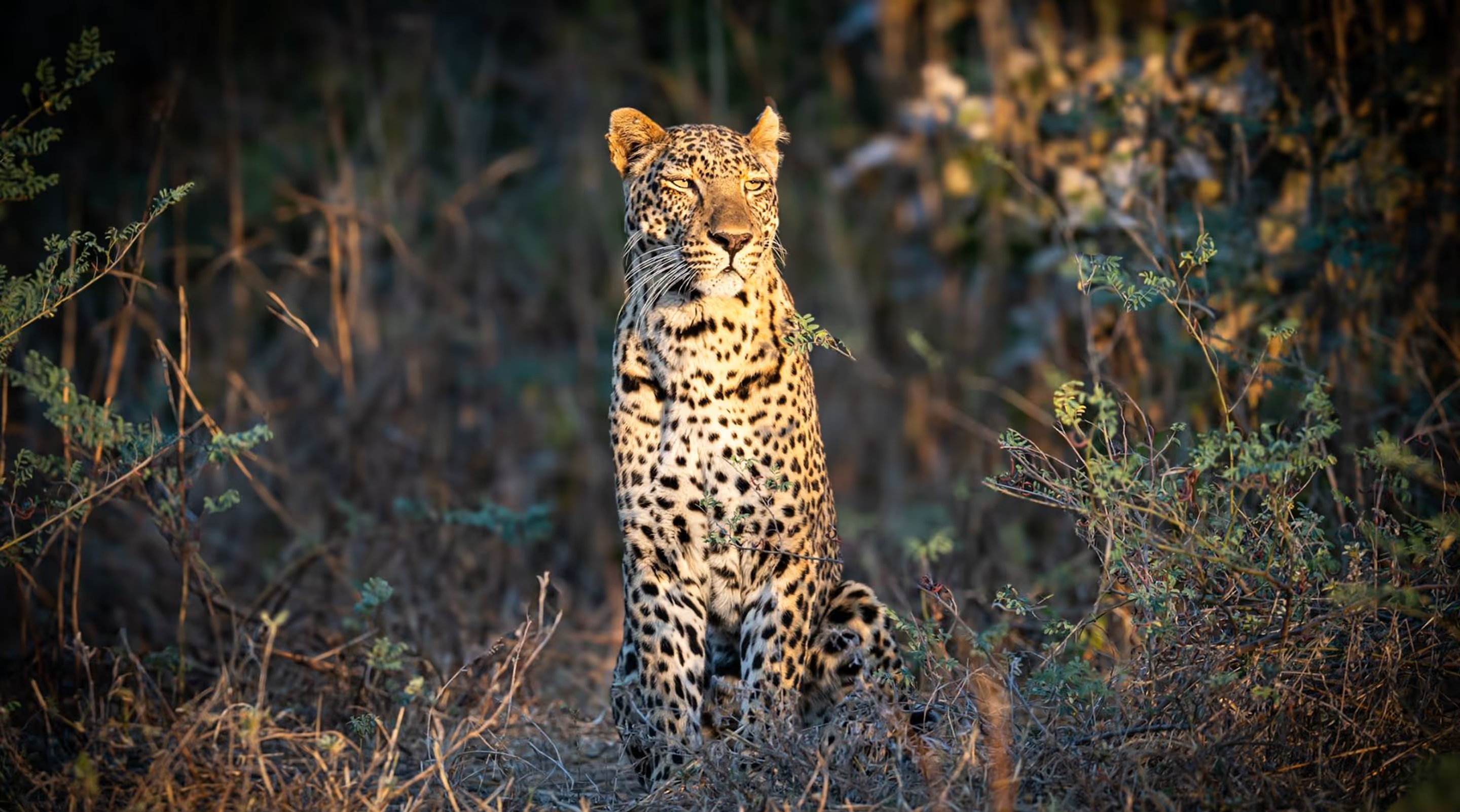

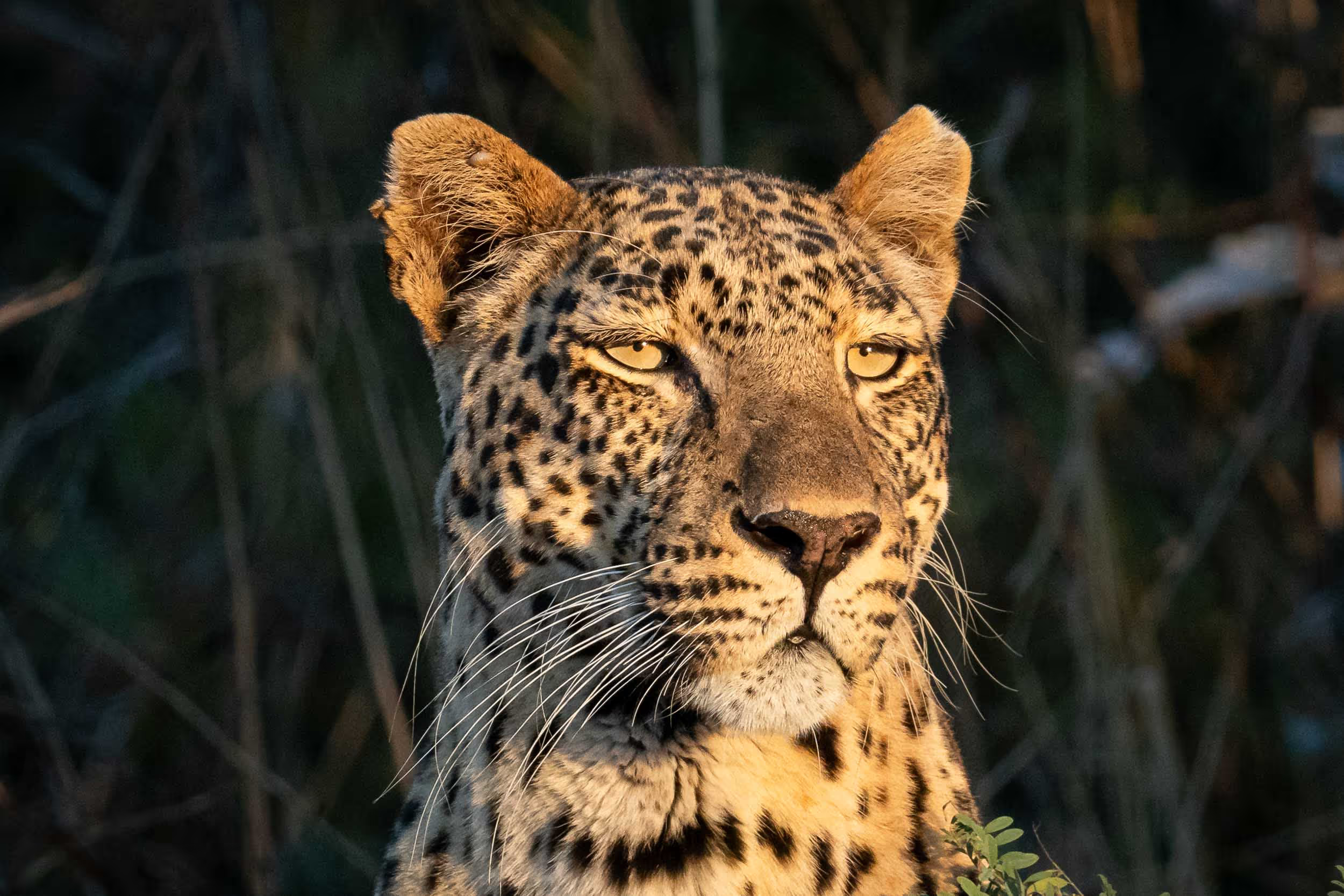
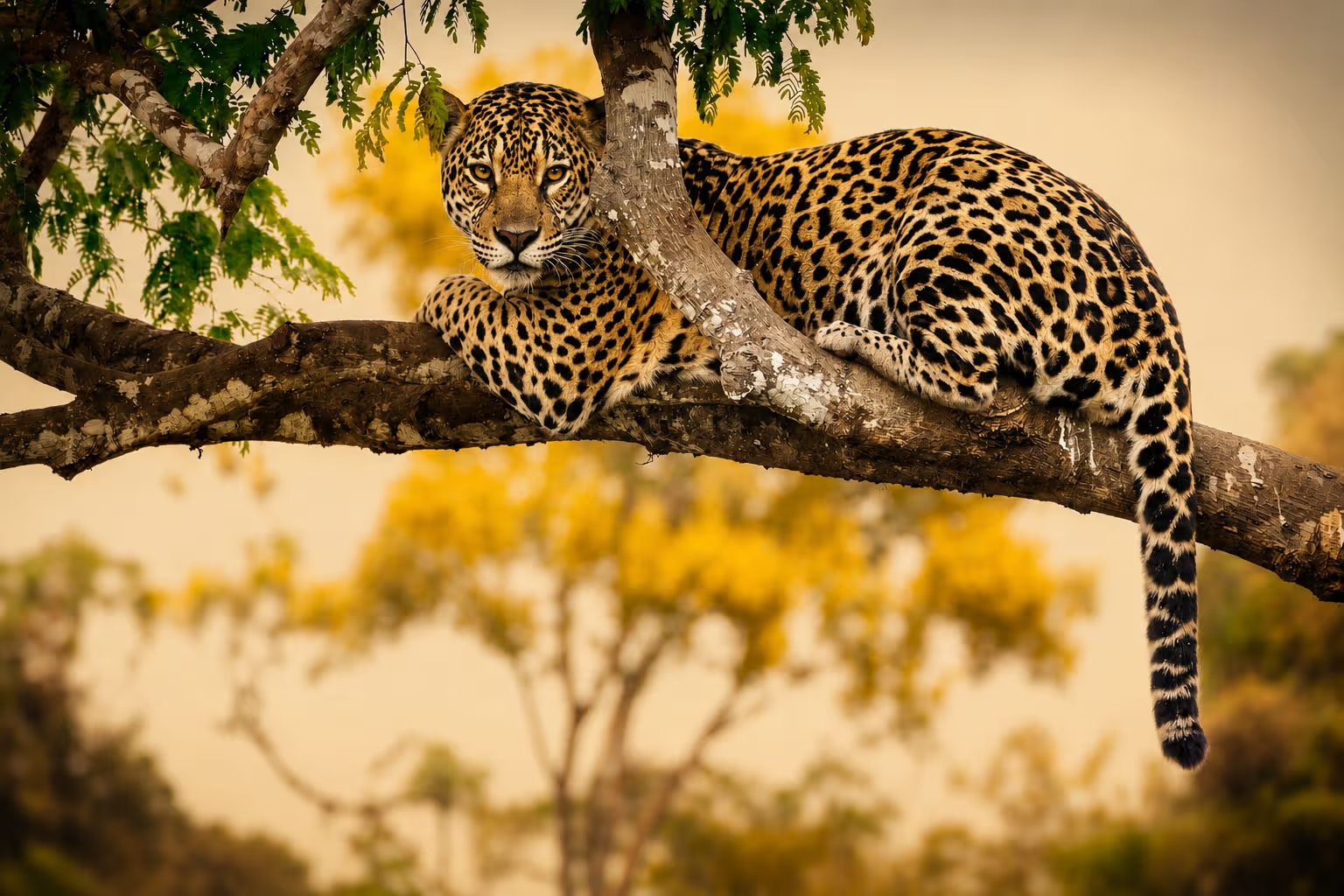
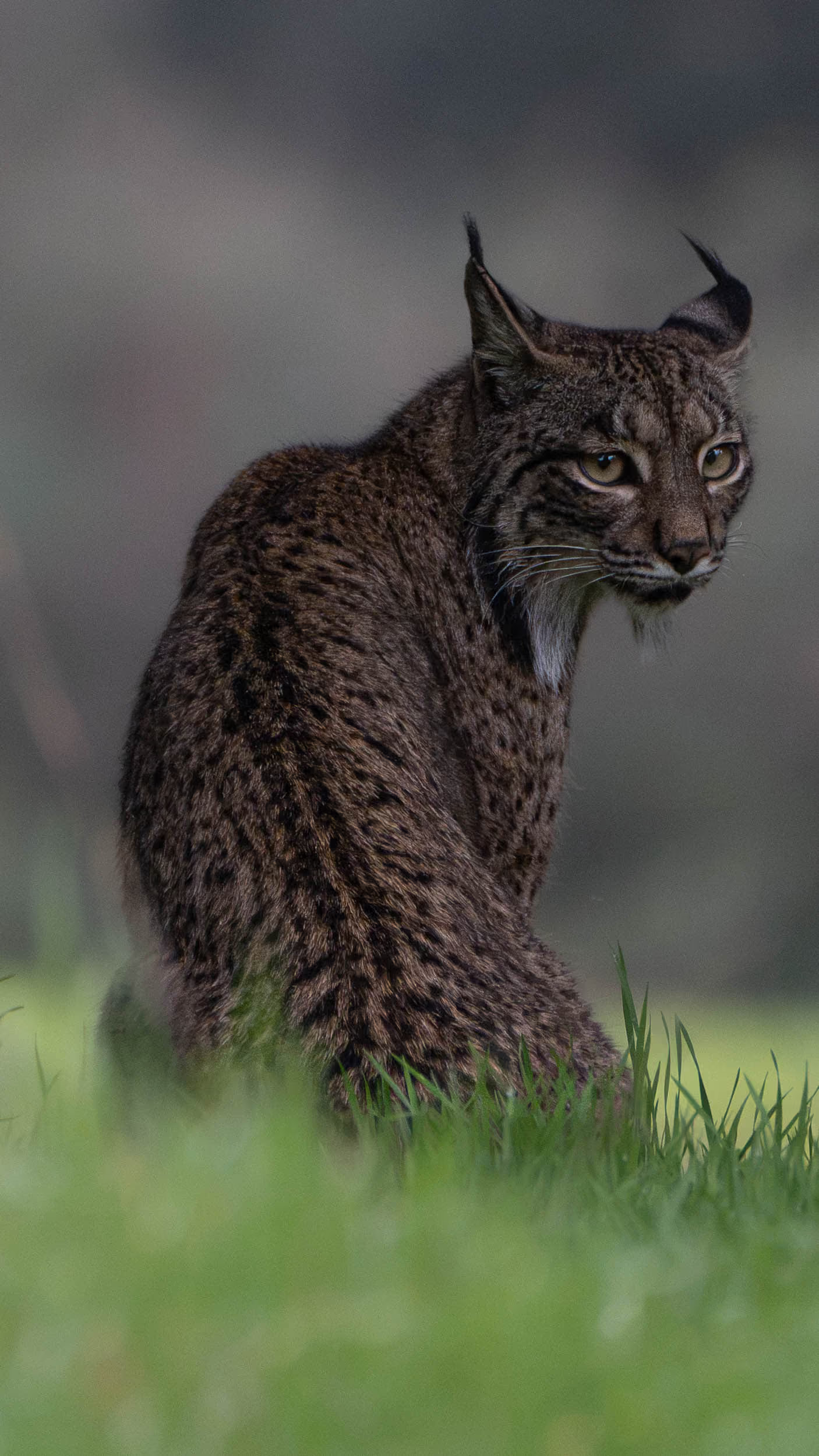
South Luangwa holds one of the highest leopard densities on the African continent.
Few places reward patience the way Zambia does.
Few places reward patience the way Zambia does.
Zambia is not for the traveller who wants a highlight reel. It is for those who want the real thing — unscripted, unhurried, and genuinely wild. Two ecosystems. Nine days. A journey that moves at the pace of the animals, not the itinerary.
In South Luangwa, the Luangwa River draws wildlife in extraordinary concentrations, with one of Africa’s densest leopard populations. Your stay is split between two camps — a river lodge and a remote bush camp deeper in the park — so you experience the ecosystem from more than one angle.
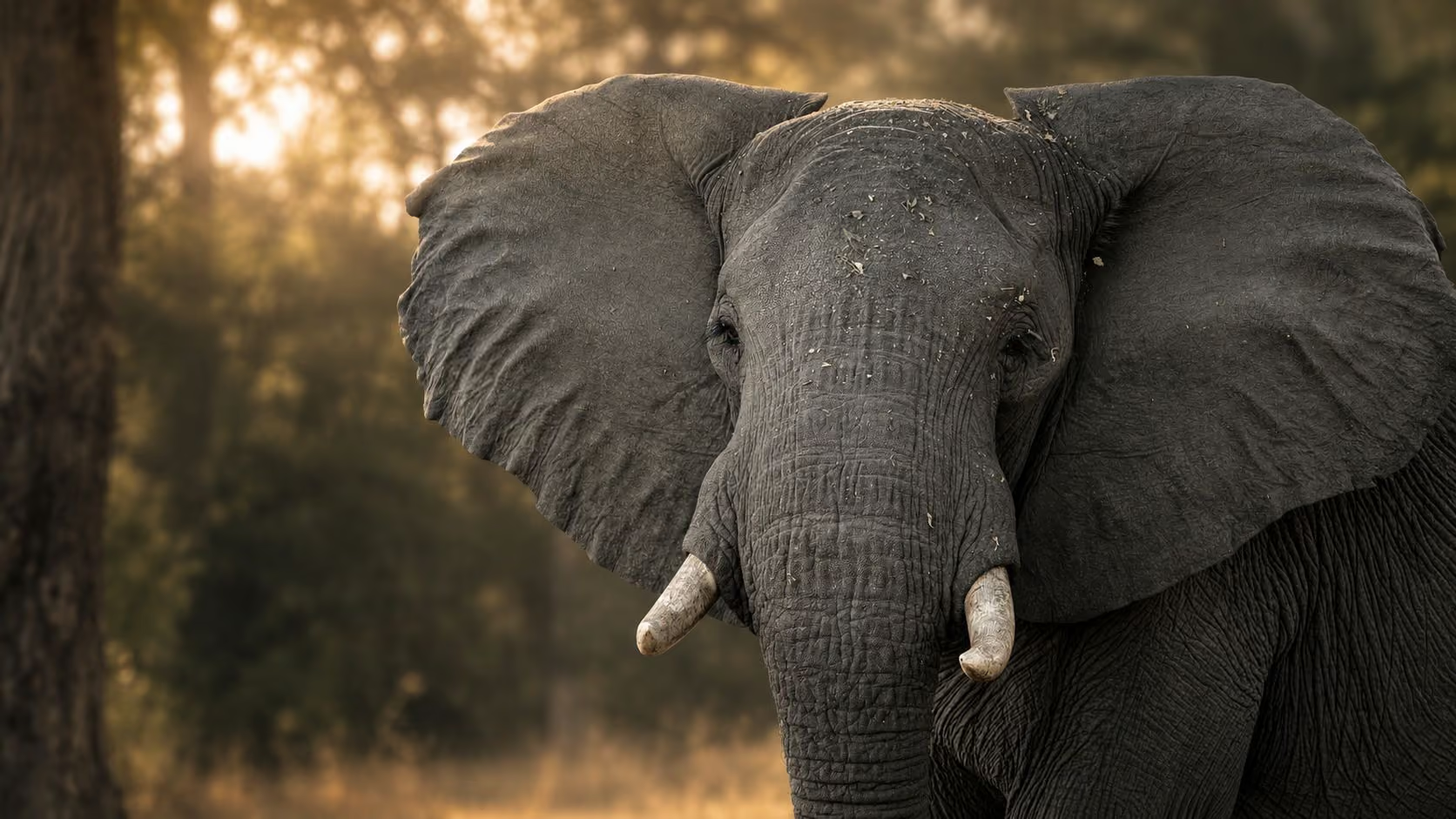
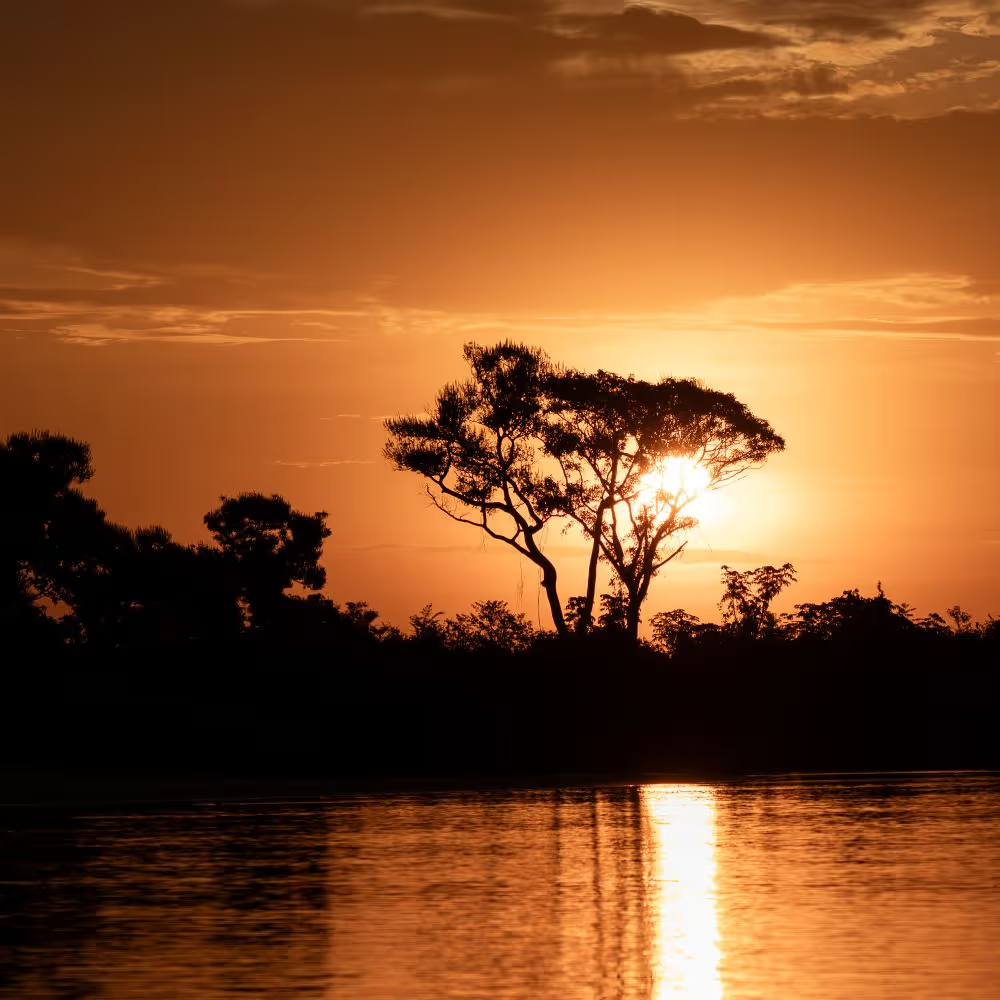
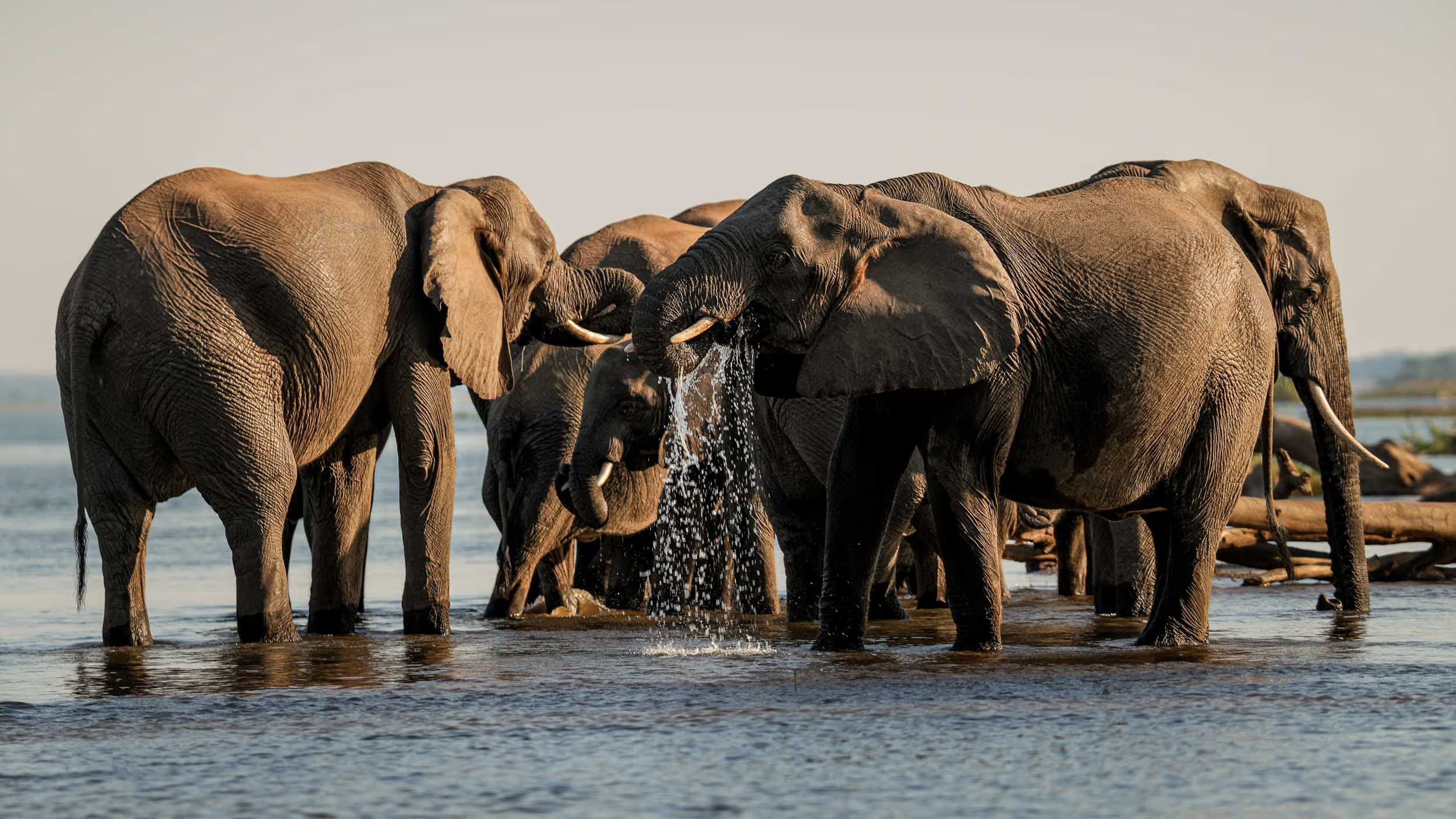
From there, the expedition moves west to the Lower Zambezi. The landscape opens. The river slows. Elephant herds wade through channels at dusk, and the light on the water in the early morning is unlike anywhere else in Africa.
The Solara Conservation Foundation (in formation) is an independent non-profit initiative dedicated to wildlife protection and habitat preservation in the regions where these expeditions take place. Solara Safaris shares its values and supports its mission — because the places we travel to are worth protecting for their own sake.



Two iconic regions. One expedition.


Every decision in the field is made for the photograph.
01
Your vehicle, your space
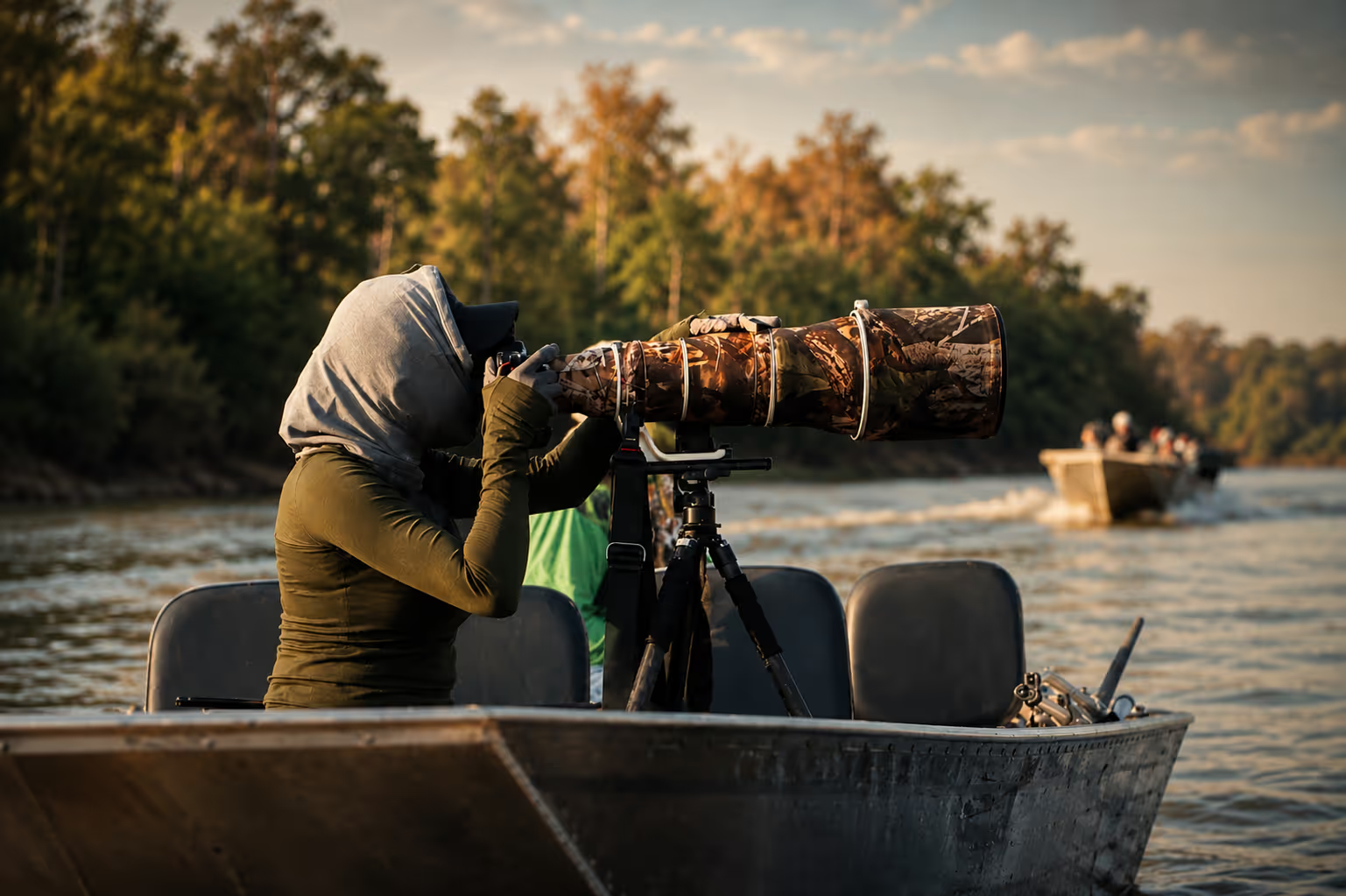
In South Luangwa, every vehicle carries no more than three photographers — each a dedicated row, beanbags standard, nobody compromising on angle. In the Lower Zambezi, one private vehicle serves the group, a seat per side. The guide positions for light and values stillness over sudden movement.
02
How the days unfold
Each day is shaped by the season, the light, and what the wildlife is doing. Morning drives begin before sunrise. Afternoon drives extend into the golden hour and beyond. In the Lower Zambezi, a boat safari replaces one drive — a fundamentally different perspective from the water.
03
Support, not instruction
This is a photography expedition — talking about images runs through the whole day, in the field, over dinner. It isn't a workshop, and we don't teach a curriculum. Your host photographer is in the vehicle with you, so guidance comes when it matters. Image reviews happen on request.
04
Into the dark
South Luangwa and the Lower Zambezi are among the few African parks that permit driving after dark. The afternoon drive carries on past sunset, until 20:30. This is where the rarest frames appear — a leopard on the move, a genet's eyes in the spotlight, the bush transformed by night.
Everything you need. Nothing you don’t.
Included
- All accommodation (9 nights)
- All meals — from Day 2 breakfast through Day 9 departure
- Domestic flights between regions
(Lusaka → Mfuwe → Lower Zambezi → Lusaka) - Airport and camp transfers
- All game drives and safari activities
- Evening game drives every day in both parks (until 20:30)
- Walking safaris in South Luangwa (optional)
- Boat safari in the Lower Zambezi
- Host photographer Nasha Desbarida — full expedition
- Evening image reviews on request
- Photography guidance throughout the expedition — in the vehicle, in the field, over dinner Evening image reviews on request
- Beanbags and dedicated vehicle space
- Park fees and conservation levies
Not Included
- International flights to and from Lusaka
- Dinner in Lusaka on arrival (Day 1)
- Travel insurance (required — see FAQ)
- Zambia visa fees
- Alcoholic beverages
- Extra baggage allowance on the domestic flights (we advise on limits and cost)
- Personal expenses and gratuities
- Booking fee (€35) and GGTO levy (€9)
The pace is always led by wildlife and light — not by a fixed schedule.
Day by day.




Pricing & Availability
This expedition is from 3-12 september 2027.
Limited to 5–6 travellers. Once the group is full, the departure is closed.
Both options include identical expedition access, guidance, and activities. The difference is accommodation and the vehicle space.
This expedition can also be arranged as a single-region experience — South Luangwa only, or Lower Zambezi only. Contact us to discuss your options.
Solara Conservation Foundation
The Solara Conservation Foundation is an independent non-profit initiative currently in the process of being established. Its purpose is to support wildlife protection, habitat preservation, and community-based conservation in the regions where wildlife photography takes place.The Foundation operates independently. Its focus is on building long-term relationships with rangers, researchers, and local communities — and on ensuring that ecosystems like South Luangwa and the Lower Zambezi remain intact for the wildlife that depends on them.
I know what it costs to be in the wrong position at the right moment.
I have been photographing wildlife for years. And the moment that stays with me from Zambia is not a dramatic predator encounter — it is a herd of elephants moving to the water in the last light of the afternoon. The way the golden hour catches the dust they raise. The silence of it. The weight.You cannot photograph that moment from the wrong angle. You cannot share a row and react in time. You cannot ask the vehicle to stop if the driver is already committed to someone else's shot.Every decision I have made in designing these expeditions comes from that knowledge. Maximum three photographers per vehicle. Your own row. A driver and spotter who understand that sometimes the best thing to do is nothing — to wait, and let the light do its work.I have built the experience I wished existed when I was sitting in someone else's vehicle, watching the moment happen just out of reach.
— Your host photographer, Solara Safaris
Every Solara journey begins with a conversation
We don't take bookings through a checkout. Before any reservation is made, we have a short call to make sure this expedition is right for you. No obligation. Just an honest conversation.
Connect with our safari specialists
Submit the form below and we'll get back to you in 48 hours.
Questions
Everything you need to know before booking your next adventure.
This expedition is designed for photography enthusiasts and experienced travellers who want a serious wildlife photography experience in an intimate group setting. You do not need to be a professional photographer — but you should have a genuine passion for wildlife and the natural world.
A telephoto lens of at least 400mm is strongly recommended for wildlife photography at this level. A 500mm or 600mm will give you the most versatility. We will share a full equipment guide after booking. Beanbags are provided — tripods are generally not practical from a moving vehicle.
The flights between Lusaka, Mfuwe and the Lower Zambezi are on small aircraft with lower allowances than international routes, which matters if you travel with two bodies and a long lens. Extra weight can be bought in advance; we tell you the current limits and what it will cost before you book your flights. At check-in we identify the bag holding your camera equipment; you carry it to the aircraft yourself and it is taken at the steps and stowed separately, rather than going through the hold with the rest of the luggage.
Yes. South Luangwa and the Lower Zambezi are among the few parks in Africa where driving after dark is permitted. Every afternoon drive continues past sunset until 20:30 — a different pace, and a completely different cast of animals. This is included in the expedition price.
Yes. A number of Solara travellers join as nature lovers, partners of photographers, or simply people who want a genuinely intimate, unhurried wildlife experience. The expedition is structured around photography, but it is equally rewarding for anyone who loves wildlife and values quiet, respectful observation.
Groups are a minimum of 5 and a maximum of 6 travellers. In South Luangwa each vehicle carries a maximum of three photographers, so you will always have your own dedicated row, your own beanbag, and your own space to work. In Lower Zambezi we share one vehicle. We do not share vehicles with other operators or groups.
Nasha Desbarida, founder of Solara Safaris, is the host photographer on this expedition. She travels with the group throughout — in the vehicle, in the field, and over dinner. Her role is to support your photography in real time: light, positioning, and knowing when to wait. This is not a classroom. It happens as part of each drive.
The September departure falls at the end of Zambia’s dry season — one of the best times to be in the field. Wildlife is highly concentrated around remaining water sources, vegetation is at its most open, and the light has a particular warmth and clarity that photographers find exceptional.
Our cancellation and booking terms are shared in full at the time of reservation. We recommend comprehensive travel insurance that includes cancellation cover. If you have questions before booking, please raise them during your introductory conversation with us.
Yes. Comprehensive travel insurance — including emergency medical evacuation cover — is required for all Solara expeditions. We will share our minimum coverage requirements after booking.
We begin every reservation with a short personal conversation — by call or message — to ensure the expedition is the right fit for you. There is no obligation at that stage. Use the form below to introduce yourself and we will be in touch within 24 hours.
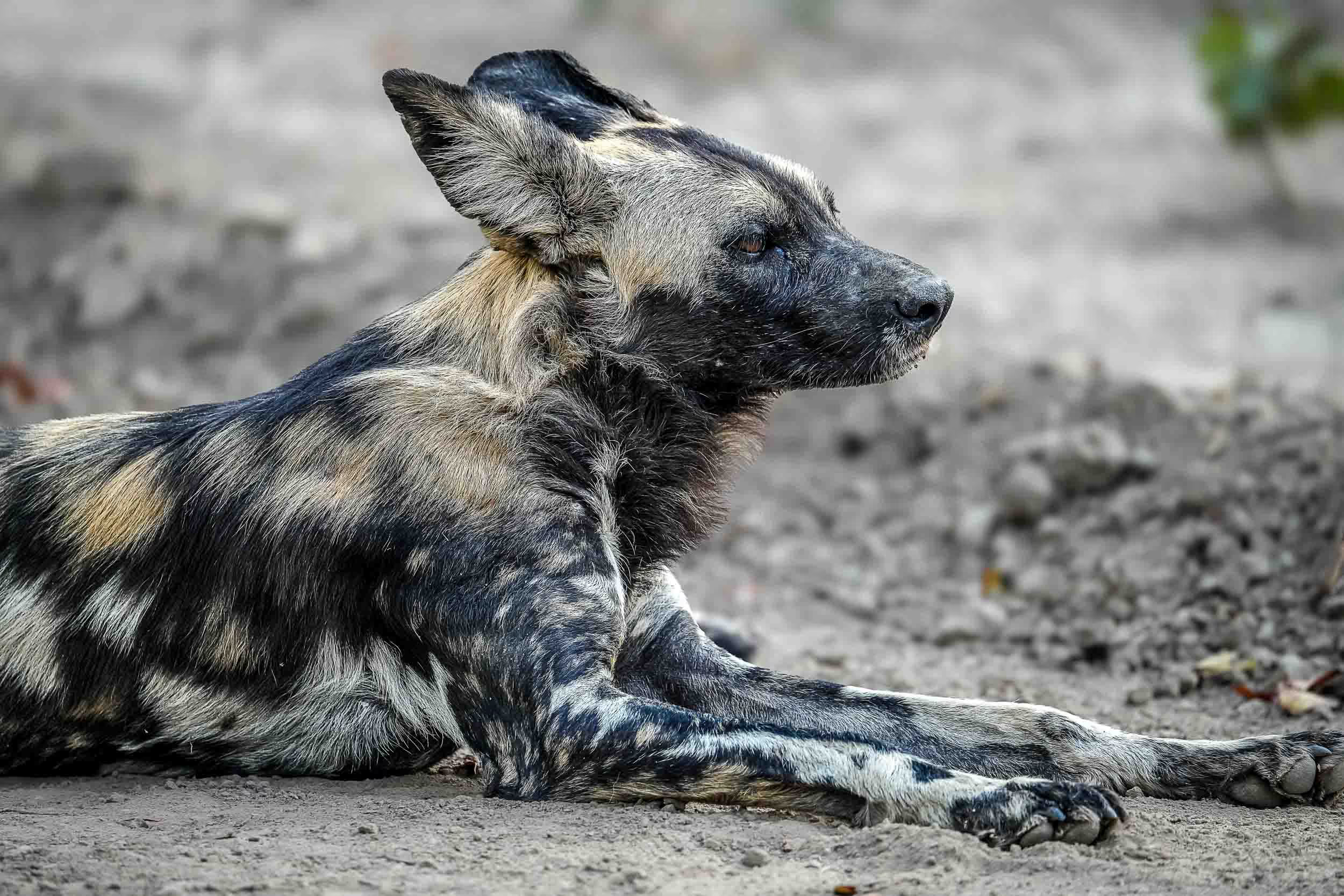
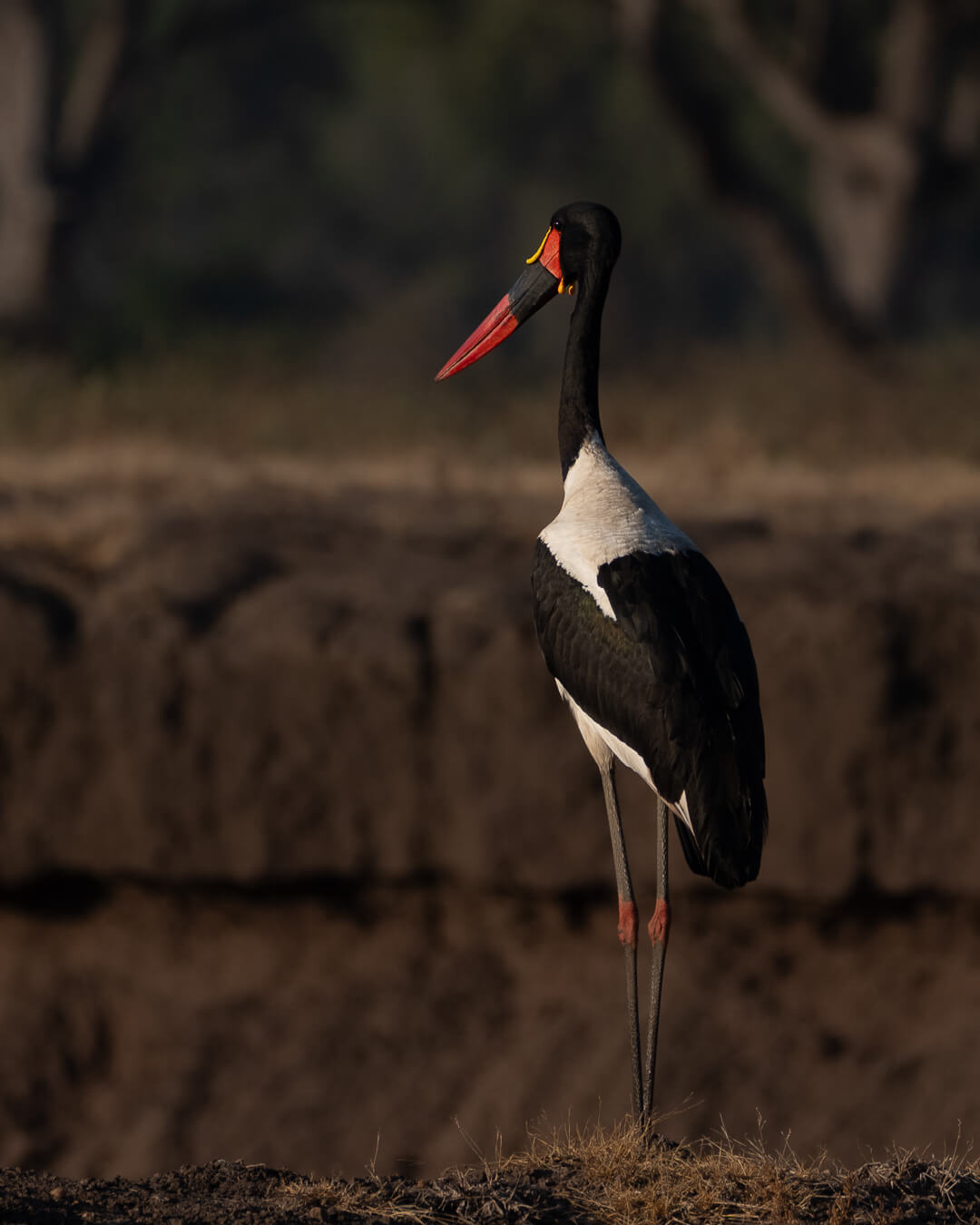
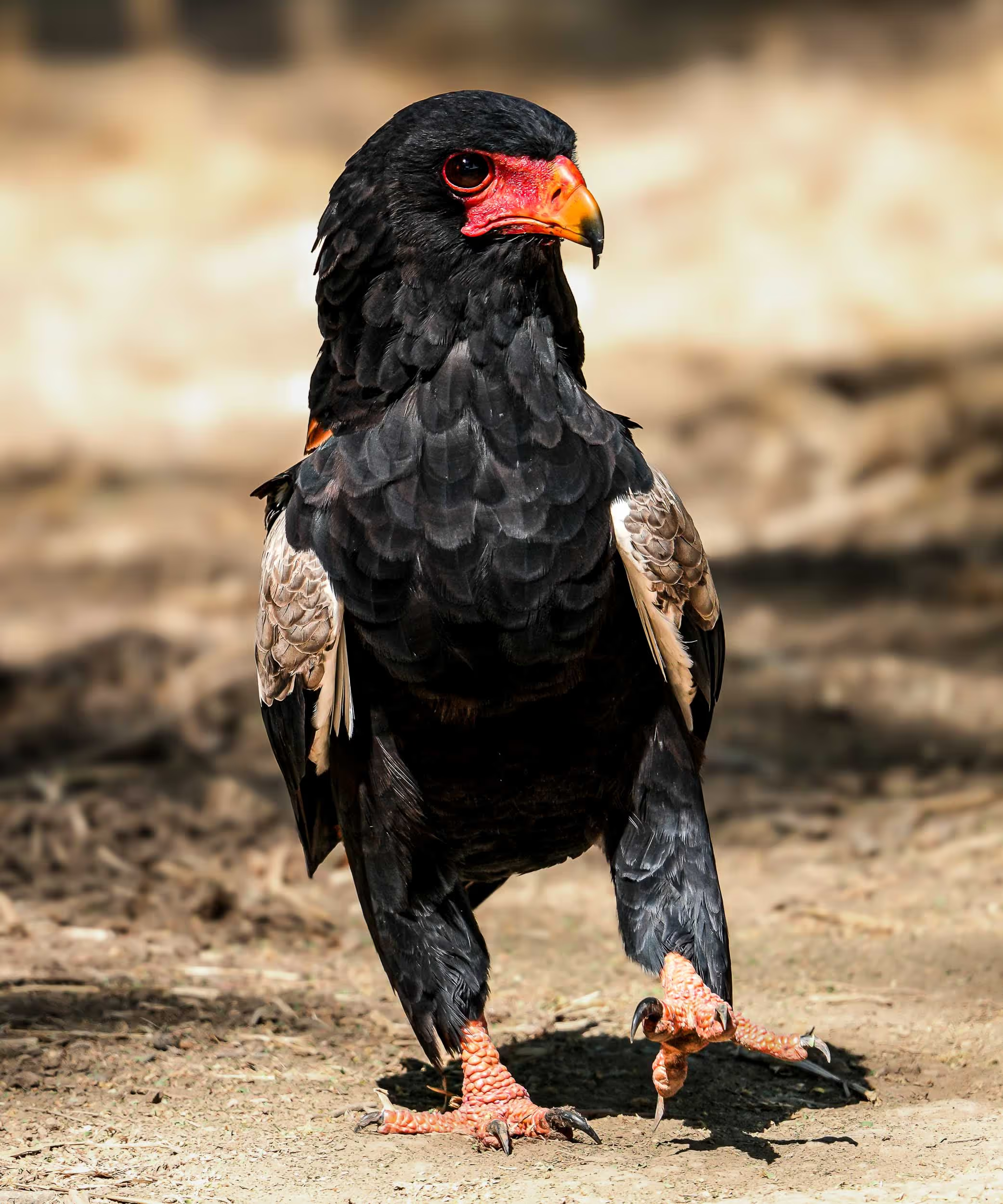
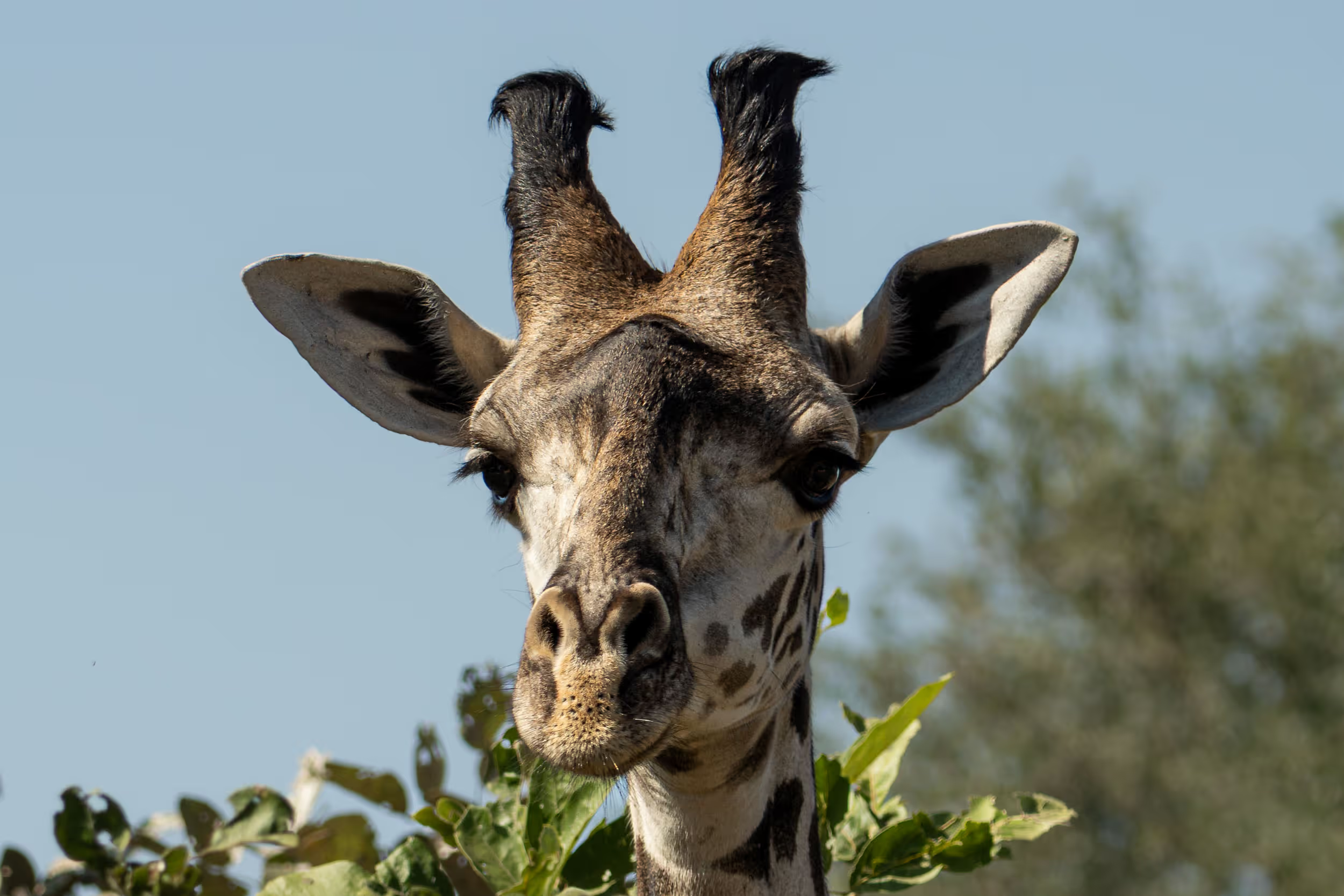
Zambia through the lens
Captured light and wild places from the field

Other Expeditions
Quickly view our other expeditions below or click view all.
Looking for a tailored expeditions? We've got you covered.