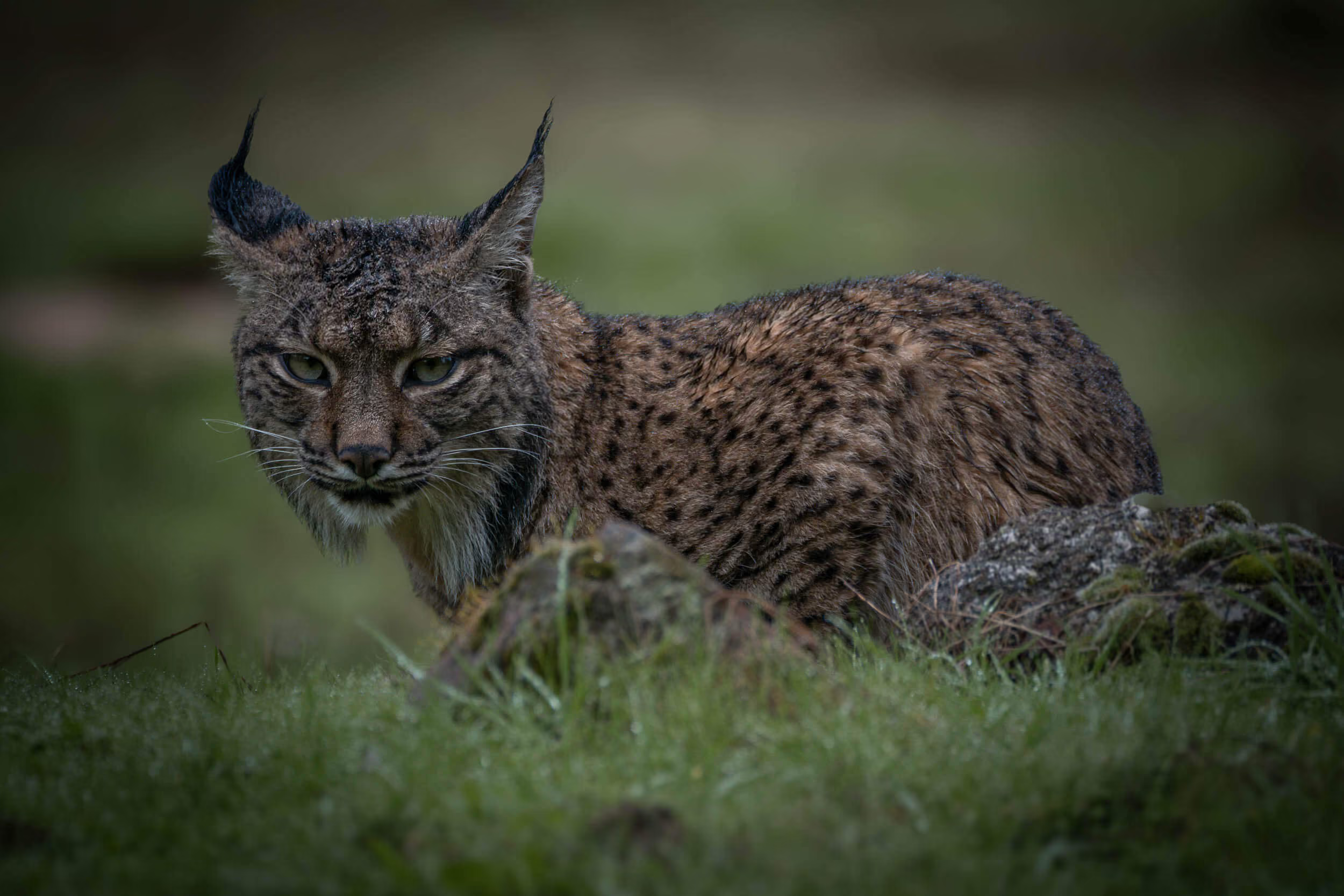
The Last Hunting Lesson
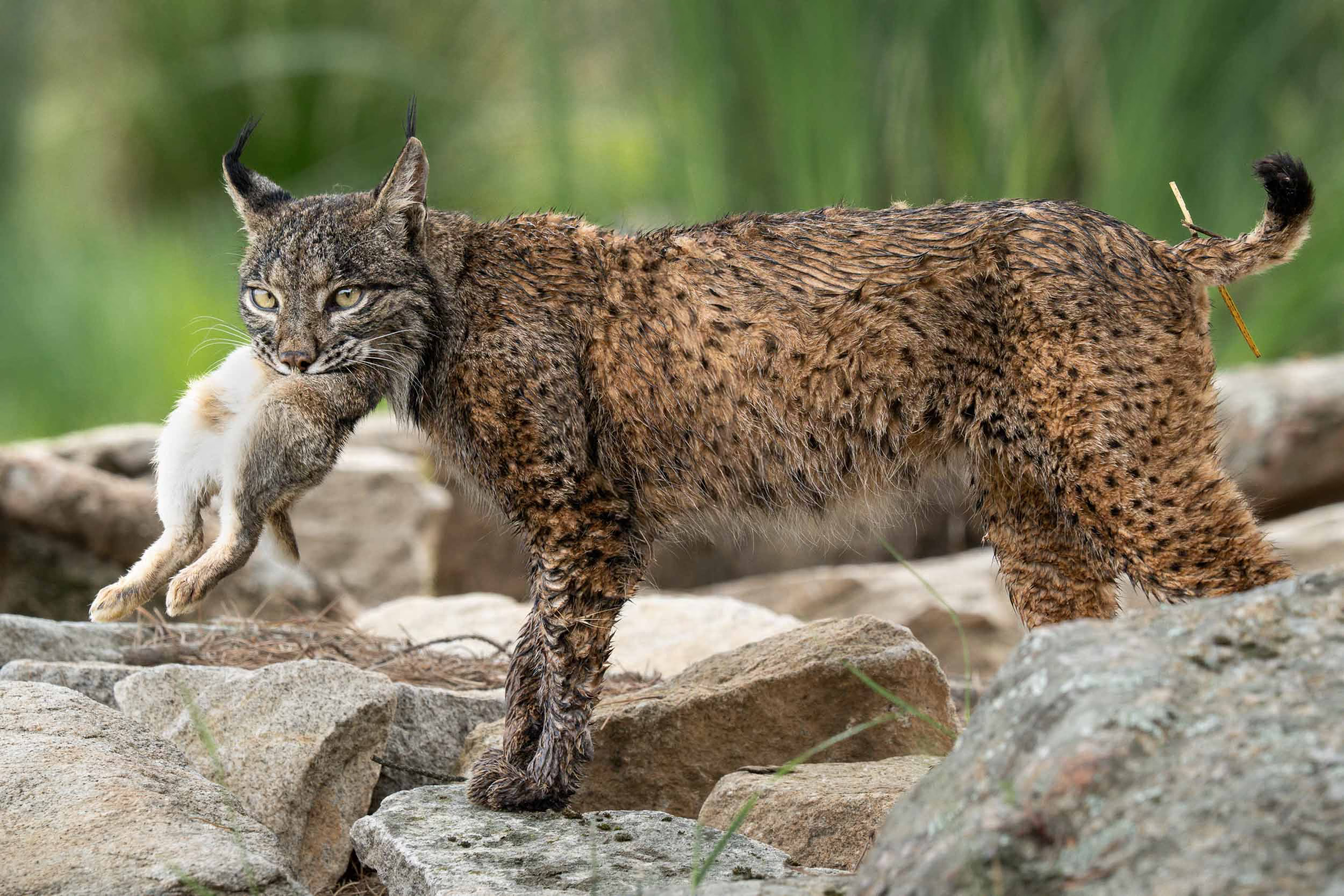
The hide at six in the morning. Still cool. The light coming in low through the cork oak and the scrub, the way it does in January before the day arrives.
Nothing for a while. That is always how it begins.
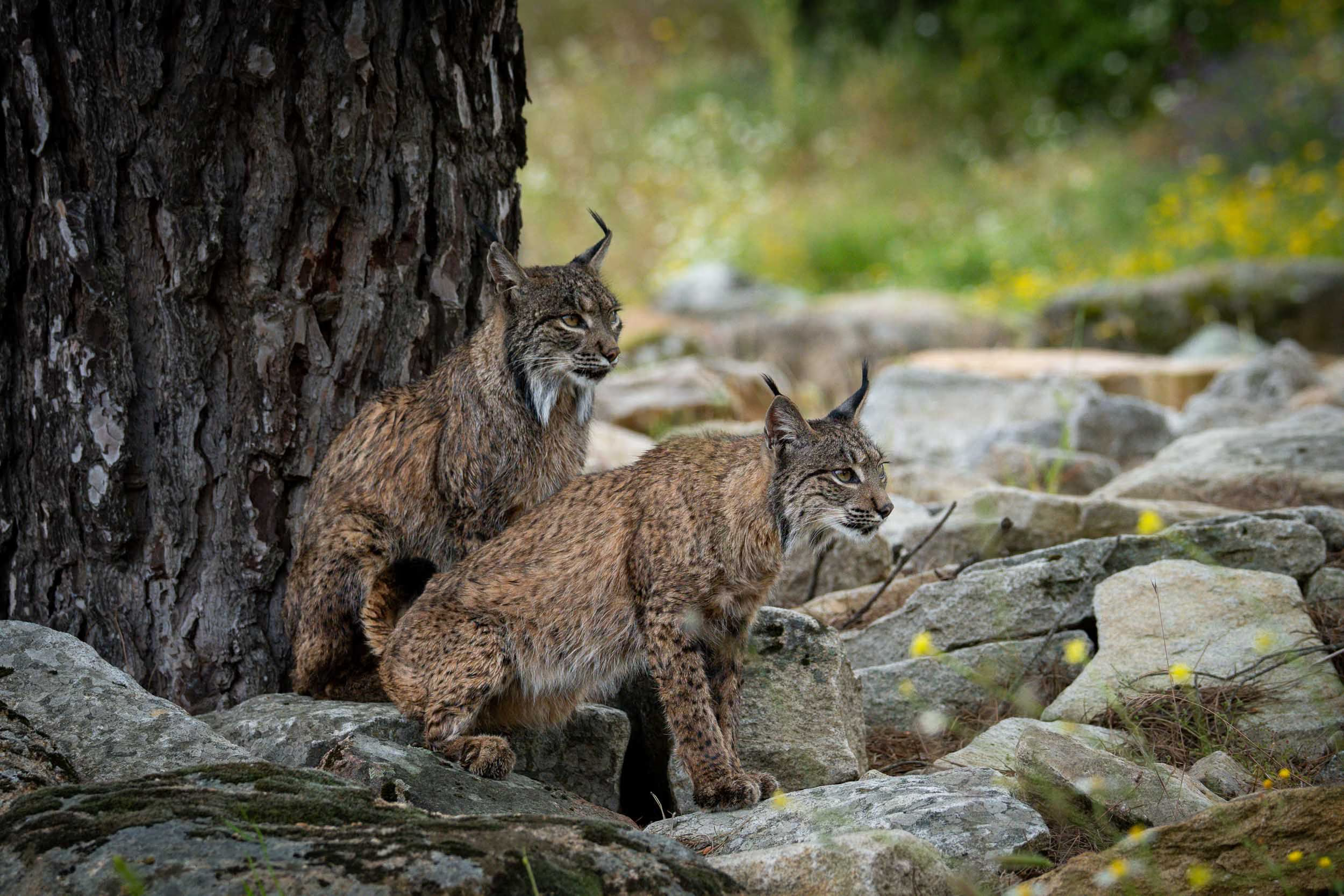
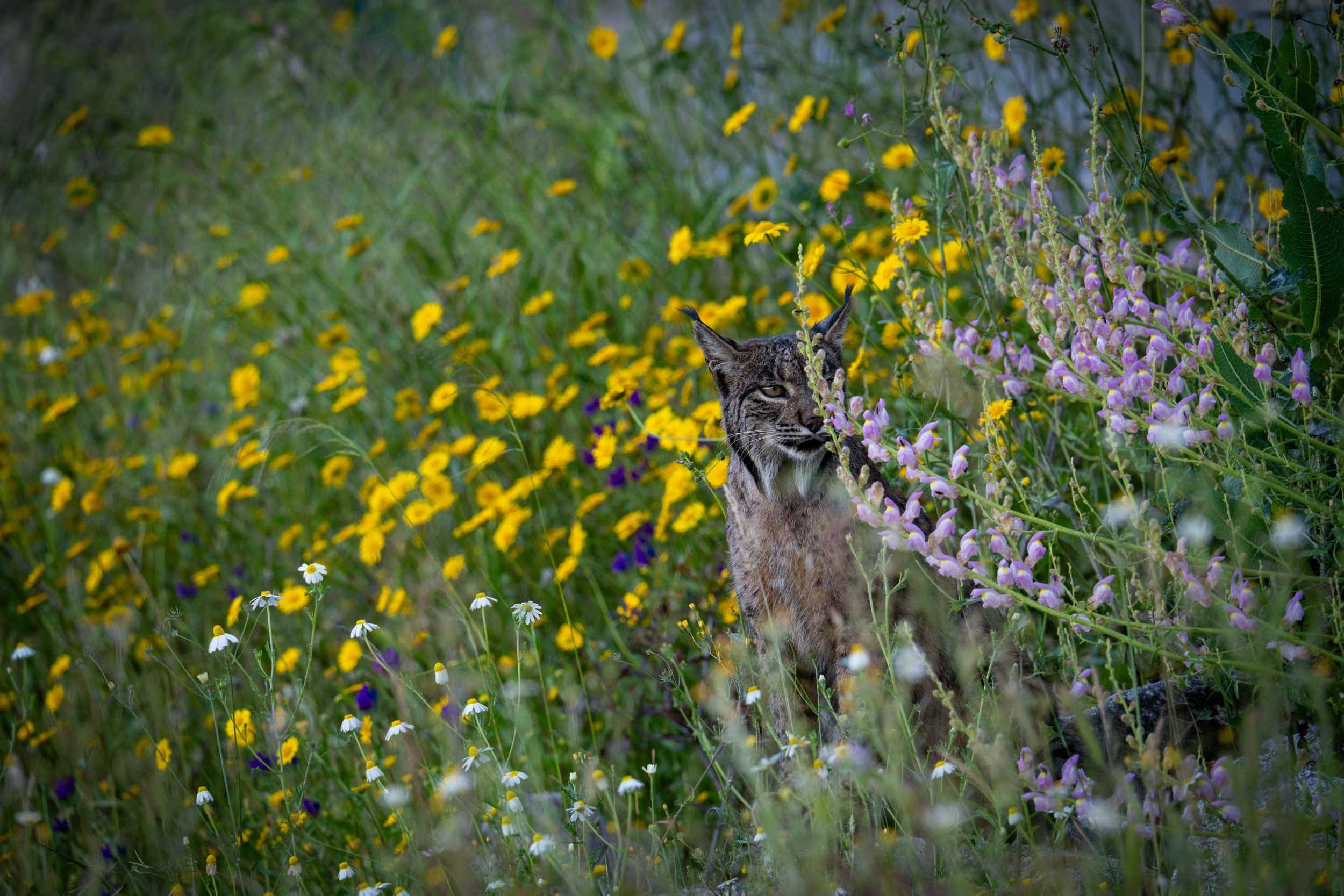
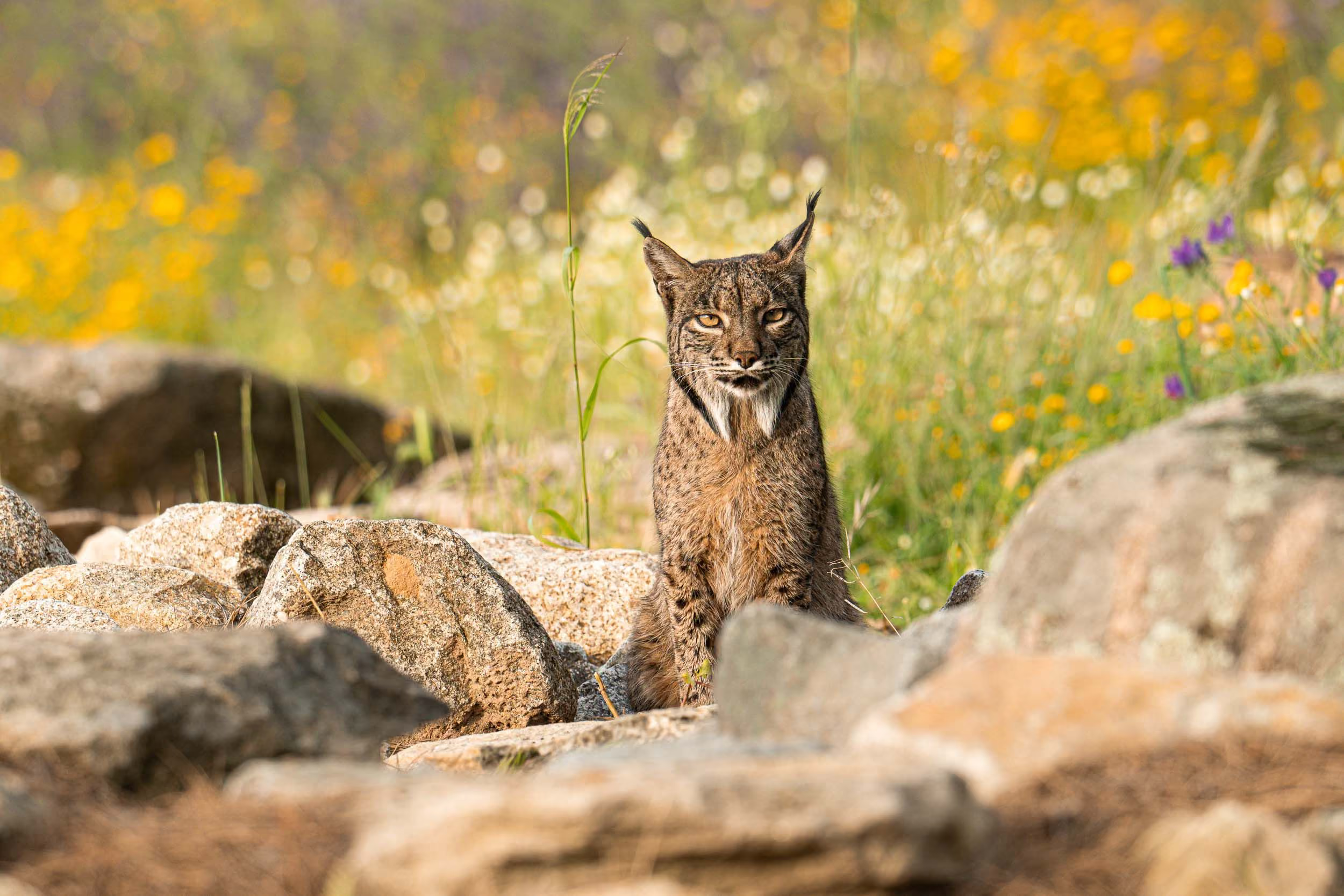
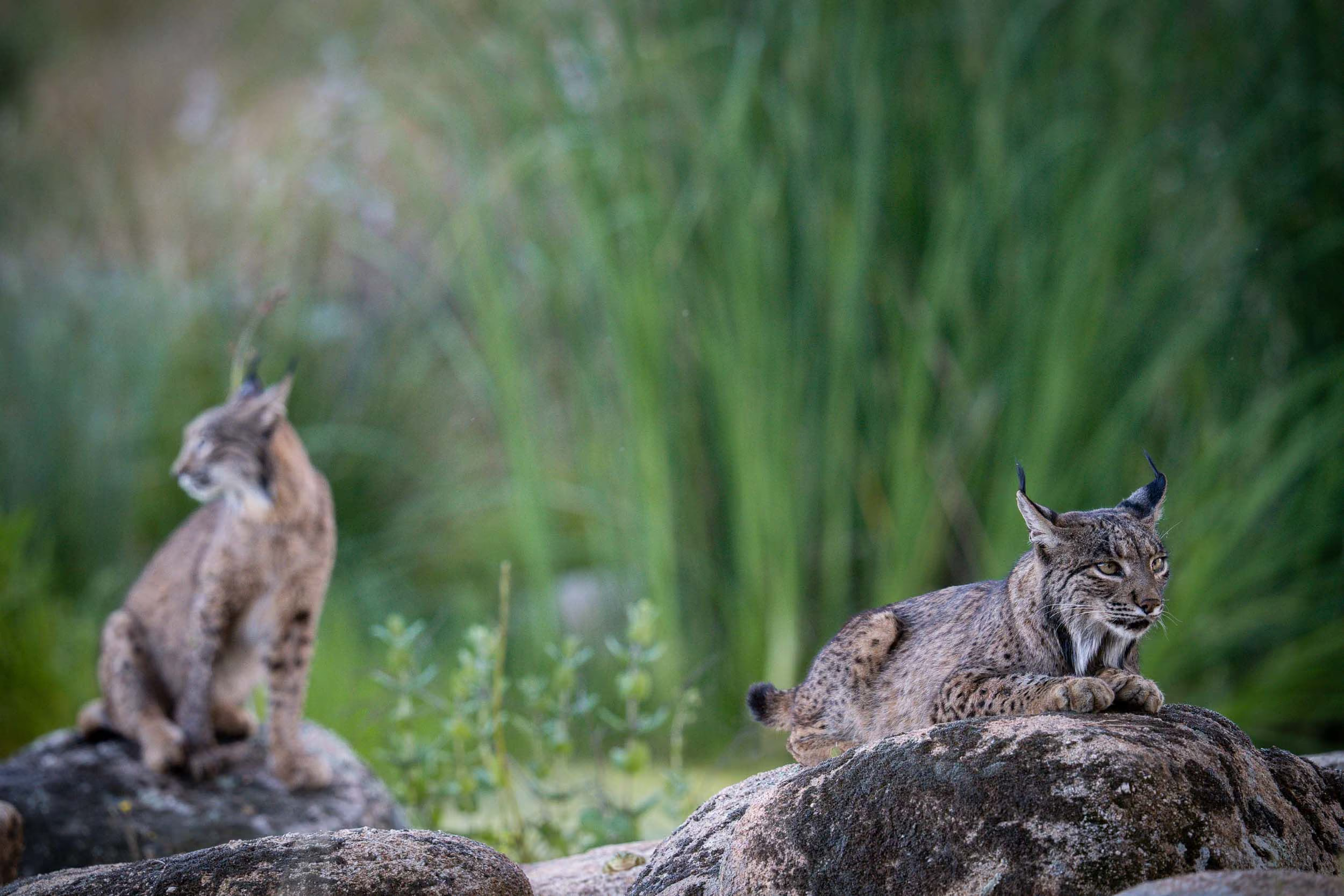
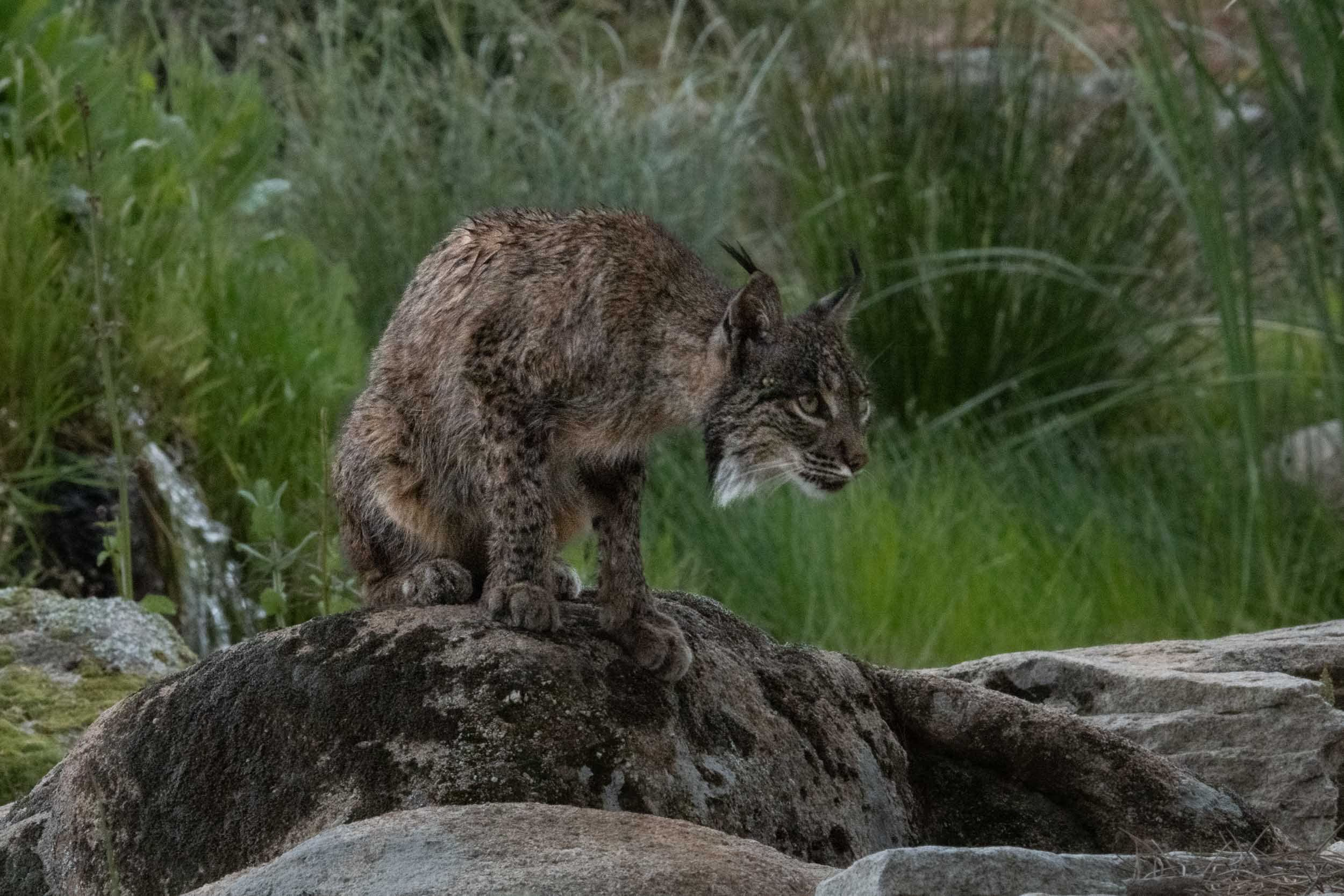
Then she appeared. A female Iberian lynx, moving without sound through the brush, a cub close behind her. He was young — old enough to hunt, young enough to still be watching her for instructions.
She found a rabbit. Stepped back. And waited.
The cub went in.
What followed was not easy to watch. The rabbit fought. It took time — longer than you expect, longer than feels comfortable. The cub made attempts that failed, and failed again. But she never intervened.

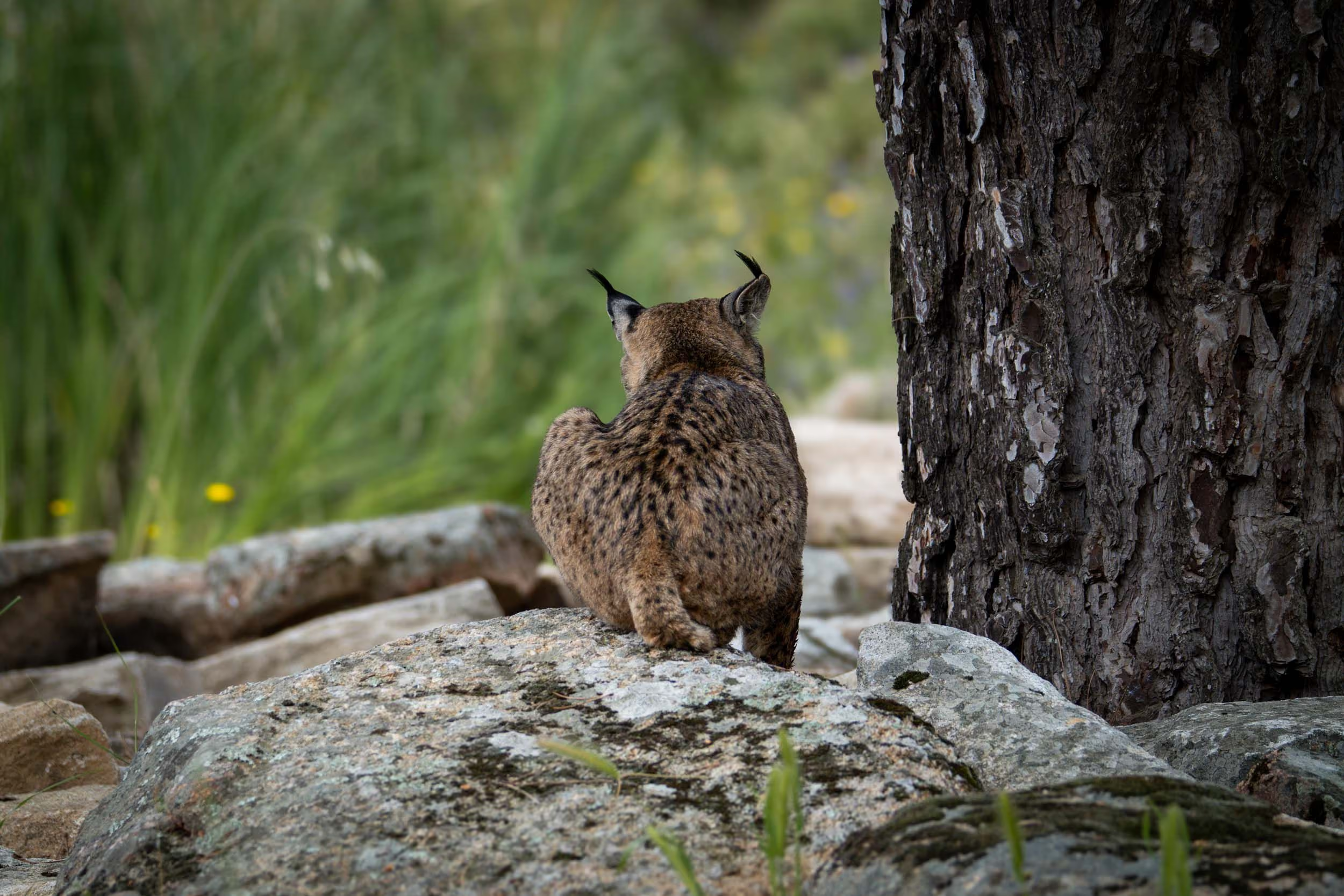
The first time she was close — a metre, maybe two. Watching him with an attention that felt almost tender. The second time she had moved back slightly, sitting upright on a low rock, observing from a distance that felt deliberate.
The third time I had to look carefully to find her.
She had positioned herself behind a cluster of scrub, half hidden, perfectly still. Watching her son from a distance she had chosen so he could not see her watching.
He made the catch on his own. Held it. Looked around.
She did not move.

I have spent many mornings in hides. I have waited for animals that never came and animals that came closer than I expected. But I have never watched anything quite like that last hour — a mother deciding, without drama and without ceremony, that her work was done.
The Iberian lynx was almost lost. Fewer than one hundred remained at the turn of the millennium. Today, in the hills of Sierra de Andújar, a mother teaches her cub to hunt in the early morning light.
That is what recovery looks like. Not in numbers. In mornings like this one.
Gallery


Photograph the lynx yourself
Join our small-group expedition to Spain and witness Europe's rarest cat in the wild — where this story was made.